





1. The Ironclad Legal Agreements
The most significant and least glamorous reason is the Non-Disclosure Agreement (NDA). Before an actor even sees a script for a major project, they sign a legally binding contract that forbids them from revealing confidential information. This includes
everything from plot twists and character fates to on-set secrets. Violating an NDA can result in severe financial penalties or lawsuits, making it a powerful deterrent. These aren't just casual pinky promises; they are meticulously crafted legal documents designed to protect a multi-million dollar investment. For a star, leaking a major spoiler isn't just a faux pas—it's a breach of contract that could cost them a fortune and damage their professional reputation.
2. The All-Powerful Studio Marketing Machine
Hollywood studios treat plot details like state secrets for a reason: they are central to their marketing strategy. A film's promotional rollout is a carefully orchestrated campaign designed to build hype over weeks and months. Leaks can completely derail this plan. Studios spend enormous sums creating trailers, posters, and press events that tease a story without giving it all away. An actor's accidental spoiler can undermine that entire effort. Furthermore, in the age of social media, secrecy itself has become a marketing tool. The mystery surrounding a project like a new Marvel or Star Wars film drives online discussion and fan engagement, creating a level of buzz that money can't always buy.
3. They Genuinely Don’t Want to Ruin It for You
While contracts and studio pressure are huge factors, many actors also feel a sense of responsibility to the audience. They are often fans themselves and understand the magic of experiencing a story for the first time without spoilers. The backlash for spoiling a beloved franchise can be intense. Just ask Tom Holland or Mark Ruffalo, who have become infamous for their tendency to let secrets slip. Their accidental reveals have become a running joke, but they also highlight the immense pressure actors are under. In many cases, an actor's tight-lipped response is a sign of respect for the fans and for the hundreds of other people who worked on the film, whose efforts could be devalued by a single careless sentence.
4. They Might Not Actually Know the Whole Story
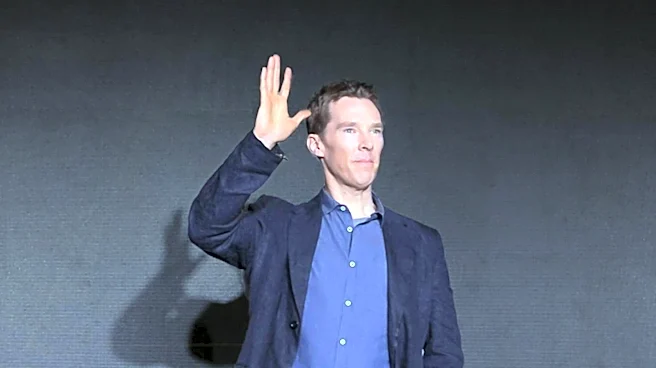
In an increasingly common practice, studios go to extreme lengths to prevent leaks by limiting what the cast knows. Actors are often given scripts with only their scenes, or even fake scripts with alternate endings. For instance, the Russo brothers, directors of several 'Avengers' films, famously gave Tom Holland a fake script to prevent him from spoiling 'Infinity War'. Benedict Cumberbatch was reportedly one of the only actors to read the entire, true script. In other cases, scripts are printed on special paper that can't be photocopied or are only accessible on a secure digital device. Sometimes, key scenes are filmed with only essential personnel present. So when an actor says they can't spoil anything, they might mean it literally—they haven't been trusted with the secrets themselves.
5. It’s Just Good Professionalism
Beyond the legal and financial threats, staying quiet is a mark of professionalism. An actor who can be trusted with secrets is more likely to be hired for major roles in the future. Reputations matter in Hollywood, and being known as the person who leaks plot points is a quick way to get blacklisted. This professional courtesy extends to their fellow cast and crew. A movie or TV show is a massive collaborative effort, and spoiling the final product is seen as disrespectful to everyone involved. By keeping mum, actors show they are reliable team players who respect the integrity of the project and the hard work of their colleagues. It's an unwritten rule of the industry that reinforces trust and ensures that everyone's hard work pays off on opening night.