



The Spontaneous Beach Bonfire
It all began on San Francisco’s Baker Beach in 1986. Larry Harvey and Jerry James built an eight-foot wooden man and, with a handful of friends, burned it to mark the summer solstice. There was no official entertainment—no stages, no lineup, no tickets.
The entertainment was the happening itself. A bystander might pull out a guitar and start playing, another might spontaneously join hands with the flaming effigy. This was the genesis: a raw, unplanned, and intimate act of collective expression. The crowd was small, the vibe was anarchic, and the art was ephemeral, created and consumed in a single moment. For its first few years, this was the model—a growing but still modest gathering defined by spontaneous performance and a central, symbolic burn.
The Desert Canvas Changes Everything
In 1990, a run-in with park police over fire permits forced a move. The destination was Nevada’s vast and empty Black Rock Desert, an otherworldly landscape that would fundamentally alter the event's DNA. A small bonfire on a beach is one thing; a tiny fire in a sprawling, prehistoric lakebed is another. The sheer emptiness and scale of the desert demanded bigger statements. What started with around 90 people grew exponentially, and the environment itself became a character in the story. The blank canvas of the playa, as it's known, was an invitation to dream bigger. Small, personal gestures could get lost in the dust, creating a natural incentive to build larger, more visible forms of expression.
The Rise of Big Art and Theme Camps
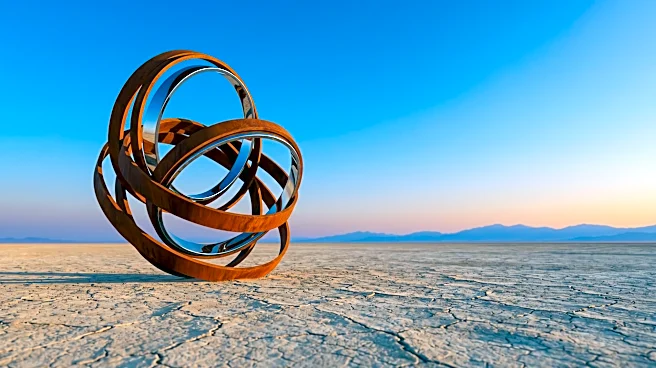
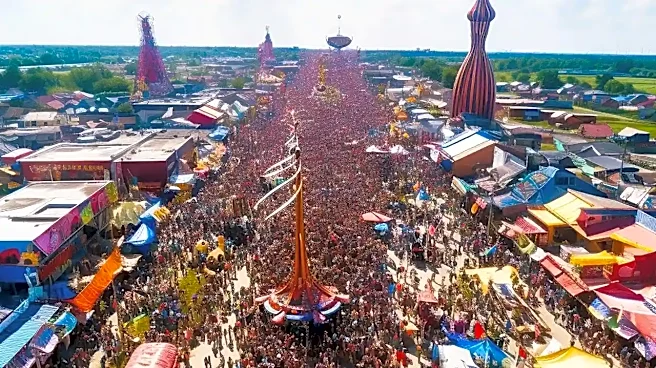
The 1990s saw the first official art installations beyond the Man himself. Artists began bringing larger sculptures to the playa, pieces that could stand up to the desert's harsh environment and vast scale. Recognizing this organic shift, the Burning Man organization formalized its support, eventually creating the Honoraria grant program in 1999 to help fund ambitious art. Today, this program distributes over a million dollars annually to help artists bring monumental works to the desert. Simultaneously, theme camps evolved from simple shared campsites into the primary hubs of activity. Instead of a central stage, suddenly there were hundreds of micro-venues run by participants, offering everything from lectures and workshops to roller discos and pancake breakfasts. This decentralized the idea of entertainment, spreading it across the entire temporary city.
Participation Over Spectatorship
This evolution reflects a core tenet of Burning Man's philosophy: "no spectators." The goal isn't to watch a show, but to be part of one. The massive art installations that now define the event are rarely just for looking at. They are interactive by design—structures to be climbed, explored, and engaged with. A fire-breathing dragon becomes a moving dance party, a sinking ship becomes a sunset amphitheater, and a towering wooden temple becomes a communal space for grief and reflection before its own ritual burn. The art is often the infrastructure for the experience. This shift transformed entertainment from a passive act of consumption into an active, creative collaboration. The artists build the stage, but the participants—through their interaction and engagement—create the performance.