


Cycle One: The Celebrity Tsunami
Cast your mind back to the mid-2000s. The fragrance aisle was dominated by the saccharine-sweet scents of pop stars and actors. It was the era of the celebrity perfume, where a famous name on a bottle was the primary marketing strategy. Most were fruity,
floral, and fleeting. Then, in 2006, Tom Ford launched his first fragrance under his own name: Black Orchid. It was the complete antithesis of the trend. Dark, complex, and almost aggressively sophisticated, it featured notes of black truffle, incense, and dark chocolate. It wasn't a celebrity cash-in; it was a statement of intent. While the market was saturated with light, accessible scents, Ford delivered a rich, polarizing fragrance that was marketed with unapologetic sensuality. This move established the core of the brand’s strategy: when the market zigs, Ford builds a monument to zagging. He wasn’t trying to capture the moment; he was creating a timeless anchor. While many celebrity lines have since faded into obscurity or the discount bin, Black Orchid remains a pillar of the Tom Ford brand.
Cycle Two: The Niche and Indie Explosion
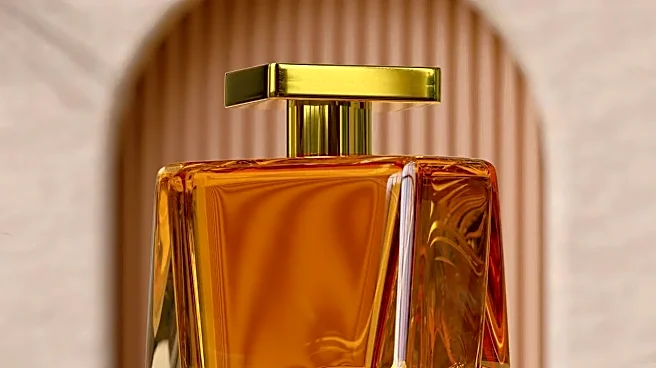
By the 2010s, consumers grew tired of mass-produced scents and began seeking out unique, artisanal alternatives. This gave rise to the niche fragrance boom, where smaller, independent houses like Le Labo and Byredo captured the imagination of buyers with their focus on craftsmanship and individuality. This trend could have easily made designer brands feel dated. Instead of being outmaneuvered, Tom Ford co-opted the movement by launching the Private Blend collection. This was, in essence, a niche perfume line operating within a global designer brand. With higher price points, minimalist apothecary-style bottles, and a focus on single-note explorations like Tobacco Vanille or Tuscan Leather, the Private Blend offered the exclusivity and artistry of a niche brand but with the backing and distribution of a powerhouse. It created a two-tiered system: the Signature line (like Black Orchid) was the gateway, and the Private Blend was the inner sanctum for connoisseurs. Ford didn’t just compete with the niche trend; he absorbed its appeal and sold it back at a premium.
Cycle Three: The Rise of 'Clean' and Minimalist
The latest trend cycle has been defined by a move toward minimalism, wellness, and so-called “clean” beauty. Consumers began demanding transparency, sustainability, and fragrances that were subtle, safe, and often gender-neutral. In response, many brands pivoted to lighter, more transparent compositions and marketing focused on natural ingredients and ethical sourcing. Tom Ford’s response was, characteristically, to double down on opulence and provocation. While others whispered, Ford’s brand shouted. He released fragrances with names so audacious they couldn't be printed, creating viral buzz that no “clean” marketing campaign could ever match. This strategy reinforced the brand’s identity as a purveyor of unapologetic luxury and adult glamour. The message was clear: Tom Ford fragrances are not about blending in or being safe; they are about making an entrance. This commitment to a maximalist, high-gloss world provided a powerful counterpoint to the prevailing minimalist ethos.
The Endgame: Building an Unshakeable Universe
The ultimate key to outlasting these cycles wasn't just reacting to them; it was about building a brand so coherent and powerful that it became its own weather system. Tom Ford’s control over his brand’s image was absolute. The fragrances, the fashion, the cosmetics, and even his own persona all worked in concert to project a singular vision of modern luxury. This relentless consistency created immense brand equity, which was validated when The Estée Lauder Companies acquired the Tom Ford brand in a deal valued at $2.8 billion, completed in 2023. Estée Lauder, which had been the licensee for the beauty line since its inception, bought the brand primarily for its powerhouse fragrance and cosmetics business. The sale was the ultimate proof of concept: Tom Ford hadn’t just sold perfumes; he had built an asset so valuable that one of the world's largest beauty conglomerates had to own it outright.