







More Than a Festival, It’s a Pilgrimage
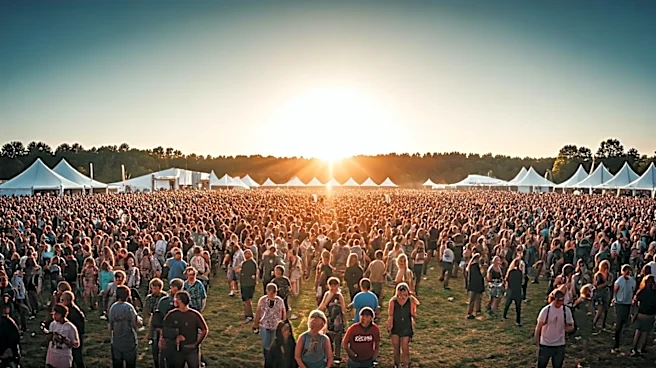
To understand the difference, one must first understand what Essence Festival is. It's not merely a music festival; it's an annual “party with a purpose” that has become a cultural cornerstone for Black Americans, particularly Black women. [1, 3] Since
its inception in 1995 to mark the 25th anniversary of *Essence* magazine, it has grown into the largest cultural and music event of its kind in the U.S. [1, 3] Held in New Orleans, the festival is a multi-day celebration of Black culture, featuring not only concerts from legendary artists but also daytime programming with panels on empowerment, entrepreneurship, wellness, and social justice. [1, 11] Attendees describe it as a “homecoming” or an “oasis”—a space for renewal, sisterhood, and reveling in the spirit of togetherness. [2] It’s a place where Black women, who are often marginalized elsewhere, are centered, celebrated, and empowered. [4, 5]
An Audience Invested in Black Joy
This unique environment creates a powerful, specific type of audience. Unlike a scattered digital audience or a typical multiplex crowd, the attendees at Essence are a self-selected group deeply invested in positive Black representation. For decades, Black romance on screen has evolved, moving from stories often centered on struggle to narratives that celebrate Black joy, sophistication, and everyday love. [8] The genre has provided some of the most positive and affirming representations of Black identity and culture in film. [8] The audience at Essence craves this. They are not passive consumers; they are active participants looking for authenticity. [15] When a trailer for a Black romance is shown, it’s being screened for a room full of people who are the target demographic and also its fiercest champions and most discerning critics. They can tell when a story feels real and when it feels like a corporate imitation of Black culture. [7, 15]
The Roar of Cultural Validation
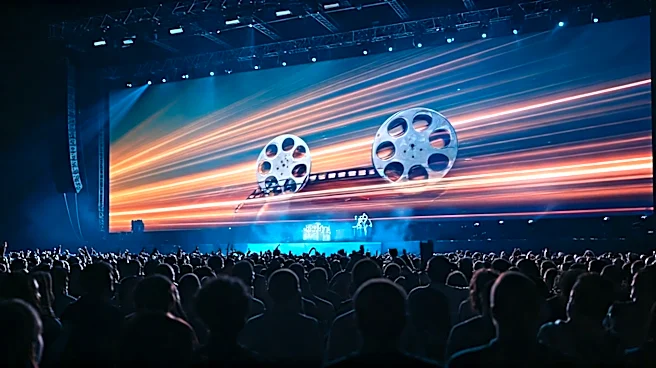
This is why a trailer “plays differently” here. The reaction is not just about individual enjoyment; it’s a communal act of validation. A positive reception—cheers, applause, and immediate social media buzz—isn't just noise. It’s a powerful signal to the film industry. According to reception theory, audiences decode messages based on their own cultural backgrounds, and at Essence, the shared cultural context creates a potent feedback loop. [18, 24] A trailer that resonates here is one that has successfully tapped into a genuine cultural vein. That roar of approval is a grassroots endorsement that can generate more authentic and persuasive buzz than any traditional marketing campaign. Hollywood has taken notice that Black audiences are a powerful market force, often over-indexing at the box office, especially for films that reflect their experiences. [20, 25] A hit at Essence de-risks the film for the studio and proves its commercial viability. [25]
A Launchpad for Lasting Success
The 2017 film *Girls Trip*, which was set at Essence Festival, became a runaway success partly because it authentically captured the event’s spirit of sisterhood and celebration, hitting mainstream popularity. [2] Debuting a trailer at the festival is an attempt to catch that same lightning in a bottle. It's a strategic move that leverages the festival's status as a cultural sanctuary. [6] The reaction within the convention center or the Superdome serves as the first, and perhaps most crucial, review. A strong, positive response can build momentum that carries a film through its entire promotional cycle and into a successful opening weekend. In this space, a trailer is more than an advertisement; it's a conversation with a community. And for a Black romance film, having that community embrace your story from the very beginning can make all the difference.