









The Rhythm of Conversation
American sports fans are conditioned by the stop-start cadence of the NFL or the NBA. A play happens, then a commercial, then analysis, then another play. It’s a staccato rhythm designed for replays and constant commentary. Soccer is the opposite. It’s a flowing,
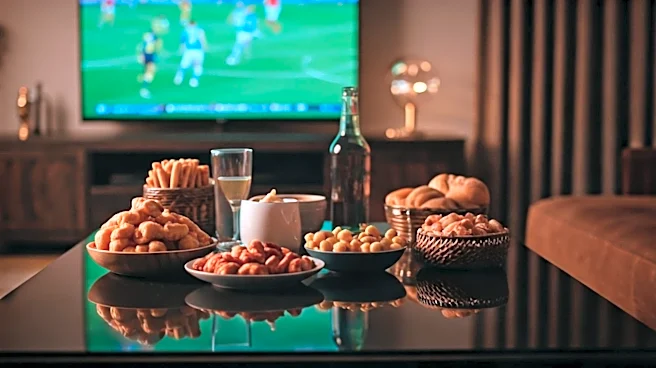
45-minute-long conversation with very few interruptions. This continuous play, often perceived as a barrier to entry for Americans, is actually a party’s best friend. Those long stretches of midfield possession and patient build-up are not lulls in the action; they are invitations to talk. You can have a full conversation, grab another plate of nachos, or debate the merits of a player’s haircut without missing a crucial turning point. The game provides a constant, low-level hum of activity that serves as a backdrop, not a demanding master of your attention. It allows the “party” part of the watch party to breathe.
A Simmering Pot of Shared Anxiety
A low score doesn't mean low stakes. In fact, it often means the opposite. In a 0-0 match, the tension is a palpable, living thing in the room. Every foray into the final third, every corner kick, every desperate tackle carries the weight of being *the* moment. It’s a slow-burn thriller, not an action blockbuster. Unlike a basketball game where the lead can change 15 times, a soccer match builds a single, ever-climbing mountain of tension. This shared anxiety is a powerful social glue. Everyone in the room—from the die-hard fan who understands the false nine to the casual viewer who just likes the team’s jersey color—is united in the same hope and fear. The collective gasps at a near-miss and the groans at a saved shot create a communal emotional experience that high-scoring, back-and-forth games can’t replicate. You’re all in the pressure cooker together.
You Don’t Need a PhD in Offsides
While soccer tactics can be incredibly complex, the fundamental goal is beautifully simple: get the ball in the other team's net. This low barrier to understanding is crucial for a successful party, which is almost always a mix of fanatics and newbies. You don’t need to explain what a “down” is or why a “foul” resets the clock. Everyone intuitively understands the objective. A person who has never watched a game in their life can still feel the electricity when a player breaks free toward the goal. The core emotions of the game are universal. This accessibility ensures no one feels left out. The expert can appreciate the tactical chess match, while the newcomer can simply ride the emotional rollercoaster. It’s a rare sporting event that welcomes every level of knowledge without sacrificing the core drama.
The Unmatched Joy of the Goal
This is the payoff. After 90 minutes of simmering tension, conversational lulls, and shared anxiety, a goal is not just a point on a scoreboard. It’s a catharsis. It’s a city-wide power surge, a firework finale, and a dam breaking all at once. The rarity of scoring is precisely what makes it so explosive. When that ball crosses the line, the room erupts in a singular, unadulterated moment of shared joy (or despair). Strangers hug. Drinks are spilled. The careful social decorum of the party evaporates, replaced by a primal, communal roar. That release is made all the more potent by the long wait that preceded it. It’s a feeling that a 115-112 basketball score can’t deliver. The goal isn’t just a highlight; it’s the climax of a story you’ve all been writing together for the past hour and a half.