







A Tale of Two Festivals
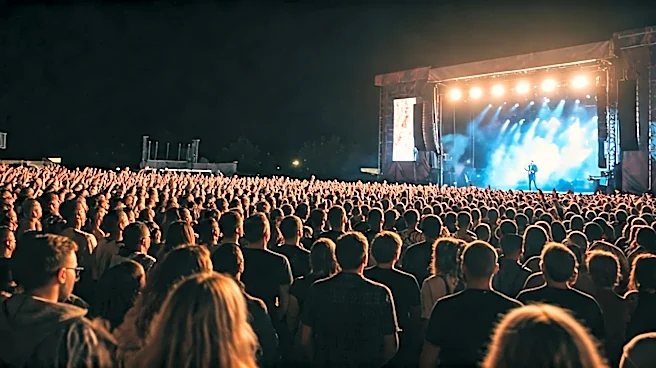
Walk through New Orleans during Essence Fest, and you’ll witness a beautiful contradiction. In the Superdome, icons like Patti LaBelle and Public Enemy command the stage, their careers built on undeniable talent and cultural significance. At the convention
center, panels on economic empowerment and social justice draw thoughtful crowds. But just a few feet away, a different kind of royalty holds court. Reality television personalities from shows like “The Real Housewives” and “Love & Hip Hop” are mobbed by fans, hosting meet-and-greets and speaking on panels about their own brands of stardom. This coexistence is the physical manifestation of a deep-seated debate in Black culture: a generational divide over the value and visibility of reality television.
The Politics of Respectability
For many older attendees, particularly Gen X and Boomers, the rise of the reality TV star is unsettling. Their perspective is shaped by a long, hard-fought battle for positive representation in media. For decades, Black actors, artists, and leaders worked to dismantle harmful stereotypes by presenting a vision of Blackness that was educated, poised, and unimpeachably “respectable.” To this generation, some reality shows—with their emphasis on conflict, drama, and what's often labeled “ratchet” behavior—can feel like a regression. The concern isn’t just about taste; it’s rooted in a protective instinct. They worry that these portrayals reinforce the very stereotypes they spent their lives fighting against, providing a one-dimensional view of Black life to a mainstream audience.
A New Generation's 'Reality'
Younger festivalgoers, primarily Millennials and Gen Z, see the world of reality TV through a completely different lens. They grew up in a media landscape where these shows were not an exception, but a dominant force. For them, the demand for flawless, monolithic representation feels outdated and restrictive. Instead of seeing stereotypes, they see entrepreneurship, entertainment, and even a form of authenticity. Stars like Cardi B, who transitioned from “Love & Hip Hop” to global music superstardom and a headlining spot at Essence Fest, represent a new path to success. This generation often argues that Black people should be allowed the full spectrum of humanity—the messy, the ambitious, the flawed, and the fabulous—without the burden of representing the entire race with every action.
Where Culture Meets Commerce
The conflict is further complicated by the undeniable economic power of reality television. Festival organizers, including Essence itself, recognize the immense draw of these personalities. The “Reality Check” panel is a recurring, popular part of the festival's daytime programming for a reason. These stars are not just faces on a screen; they are powerful brands with millions of followers, merchandise lines, and spin-off businesses. Their inclusion in a festival dedicated to Black culture and empowerment highlights a modern truth: influence is currency. This commercial reality forces a difficult question: Is embracing these stars a savvy business move that reflects contemporary culture, or is it a sign that the festival itself is shifting from a movement rooted in uplift to a more corporate, packaged experience?