
The Case for the Sweater Tuck
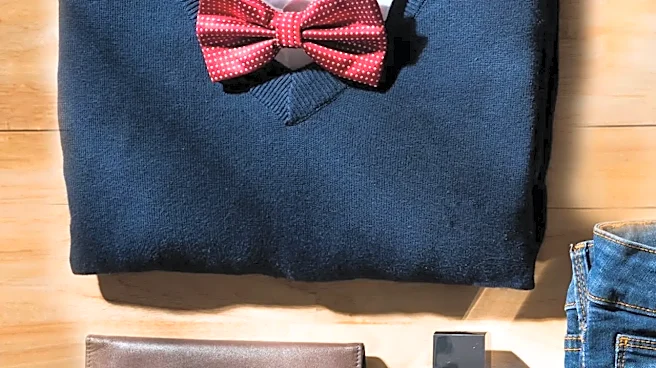
The sweater tuck is a subtle but powerful move. Its primary job is to define your natural waist, creating a visual break that prevents your top half from blending into your bottom half. This technique is your best friend when wearing high-waisted pants
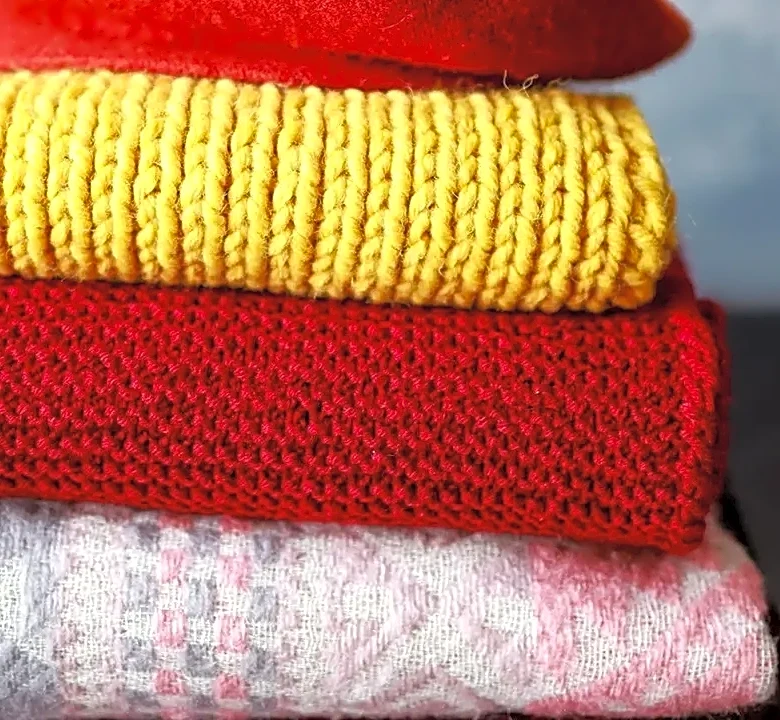
or skirts, as it highlights the flattering cut of your bottoms and can make your legs appear longer. The most popular version is the 'French tuck', where you loosely tuck just the front center of your sweater. This gives you waist definition without the bulk of a full tuck. However, the tuck's effectiveness depends heavily on the sweater's fabric. Lighter knits like cashmere, merino wool, or fine cotton blends are ideal candidates. Trying to tuck a super chunky, heavy cable-knit sweater often results in an unflattering bulge at your waistband. For those thicker sweaters, a partial tuck of just a few inches at the front can provide a hint of shape without adding bulk.
The Power of the Belted Coat
When your layers are too numerous or your sweater is too bulky for a tuck, the belted coat comes to the rescue. This move works from the outside in, cinching all your layers together to create an instant hourglass figure. It's the ultimate solution for adding shape to voluminous outerwear like wool overcoats, long puffers, and trench coats that might otherwise hide your form completely. You have options here. Many coats come with a self-fabric belt, which you can tie in a simple, chic knot or a half-bow for a softer look. Alternatively, you can add your own belt. A classic leather belt can add structure and a polished touch to a wool coat, while a wider, more dramatic belt can become a statement piece. This technique is particularly effective because it works over everything, giving structure to the entire outfit, not just a single layer.
How to Choose: A Quick Guide
So, which styling trick is right for your outfit? The decision comes down to your layers, your garments, and the look you want to achieve. Choose the sweater tuck when: Your sweater is a fine or medium-weight knit. You're wearing high-waisted pants or a skirt you want to show off. Your outermost layer is a blazer, shacket, or a coat you plan to wear open. You want a relaxed, effortlessly styled look. Opt for the belted coat when: You're wearing multiple bulky layers underneath. Your sweater is too thick and chunky to tuck comfortably. Your coat is the main focus of your outfit, and it has a loose or straight silhouette. You want to create a defined, hourglass shape over your entire look.
Pro-Tips for a Flawless Finish
To perfect these techniques, keep a few pitfalls in mind. With the sweater tuck, avoid tucking too much fabric, which creates lumps; the 'French tuck' is popular specifically because it minimizes this. Also, be mindful that very delicate fabrics like silk skirts may not pair well with the pressure of a tucked-in wool sweater. When belting a coat, consider the belt's width. A very thin belt can get lost on a large puffer, while a very wide belt might overwhelm a petite frame. For coats without belt loops, choose a belt with some grip, like suede or braided leather, to help it stay in place. And if you want to wear your belted coat open, you can tie the belt neatly at the back to cinch the silhouette without closing the front.