




The Two Sides of the Ballot
This year's major categories felt like two different parties happening in the same room. On one side, you had the undeniable commercial juggernaut: Ella Langley's 'Choosin' Texas'. A cross-platform smash that dominated radio, streaming, and social media,
it was the kind of hit that transcends the genre. It represented the commercial peak of modern country. On the other side were the songwriter darlings. Tracks like 'Gary' by Stephen Wilson Jr. and Kacey Musgraves' 'Dry Spell' were lauded by critics for their clever, nuanced, and often humorous songwriting. These songs, while respected and beloved by a core audience, lived more in the prestige space than on the pop charts, setting up a classic Nashville showdown. Other major contenders like Lainey Wilson's 'Somewhere Over Laredo' and 'Am I Okay?' by Megan Moroney also brought strong artistic merit to the table.
A Tale of Two Trophies
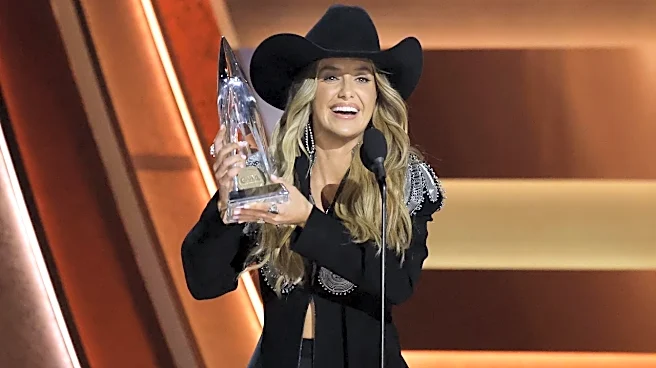
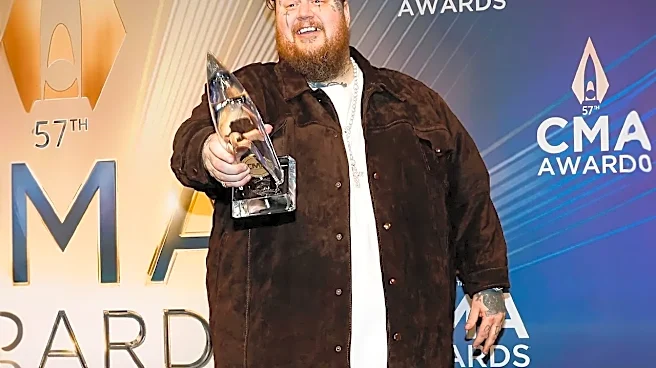
Nowhere is this split more visible than in the distinction between Single of the Year and Song of the Year. The Single award explicitly recognizes commercial and cultural impact, rewarding the entire production from artist to producer. The Song award, however, is purely for the songwriters, honoring the lyrics and melody as they were written on the page. In a move that surprised few, Ella Langley's 'Choosin' Texas' took home Single of the Year. Its market dominance was simply too big to ignore. But the Song of the Year category presented a more interesting question. Would voters reward the ubiquitous hit or a more intricately crafted piece? This year, the commercial momentum proved unstoppable, as 'Choosin' Texas' also won Song of the Year, completing a rare sweep that places it in the company of historic tracks like 'I Hope You Dance' and 'He Stopped Loving Her Today'.
Where Art Found Its Wins
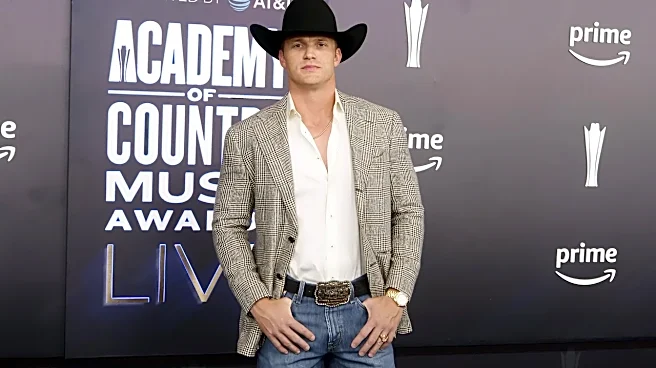
While Langley's mega-hit dominated the major song categories, the 'artistic' side of country music found its validation elsewhere. Parker McCollum's self-titled album snagged Album of the Year, a category often seen as a haven for cohesive, artistic statements over a collection of singles. Similarly, the New Artist categories celebrated fresh, distinct voices, with Tucker Wetmore and Avery Anna taking home the trophies for New Male and New Female Artist, respectively. Even the Vocal Group award saw a shift, with The Red Clay Strays breaking Old Dominion's long-running streak, signaling an appetite for a more roots-oriented sound. These wins suggest that while a massive commercial single can be an unstoppable force, the industry's voters are still eager to reward depth, originality, and artists who are building a career on a foundation of substantive work.
Nashville's Oldest Debate
The tension between art and commerce is hardly a new phenomenon in country music. From the outlaw movement pushing back against the slick 'Nashville Sound' of the '70s to the neotraditional revival of the '80s, the genre has always been a pendulum swinging between polished accessibility and raw-nerved storytelling. What the 2026 CMA Awards demonstrate isn't a new battle, but the latest chapter in an ongoing conversation. An artist like Ella Langley, who managed to capture both massive commercial success and critical songwriting acclaim with the same song, represents a rare sweet spot. The question for Nashville is whether her success provides a roadmap for others or simply marks her as an outlier—a generational talent who could temporarily unite the genre's divided heart.