
The Age of Cinematic Homework
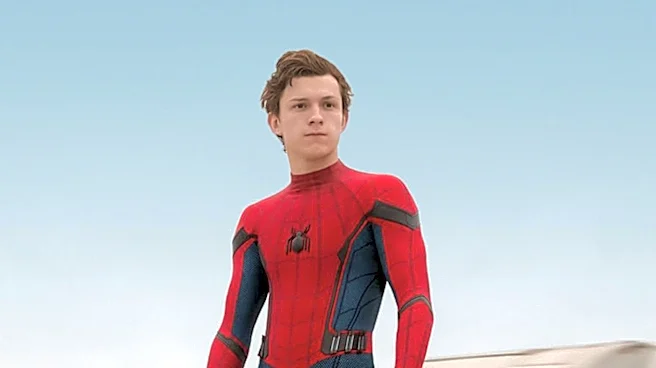
Welcome to the era of 'franchise fatigue,' a term that gets thrown around a lot online but is becoming a tangible reality for moviegoers. It’s the specific exhaustion that sets in when a trip to the theater requires hours of pre-gaming—catching up on a decade's
worth of lore just to understand the stakes of the new 'Spider-Man: Brand New Day' or figure out why a certain character's cameo matters. Studios are betting billions on these interconnected stories, from the ever-expanding Marvel Cinematic Universe to Disney’s live-action remakes like 'Moana'. They see a built-in audience and a predictable return. For years, this strategy worked wonders. The MCU became a cultural juggernaut because each film felt like part of a larger, exciting event. But as these universes have ballooned, the thrill has sometimes been replaced by a sense of obligation. The fun of discovery is lost when the movie feels less like a story and more like a single chapter in a textbook you’re permanently behind on.
The Simple Joy of a Story with an End
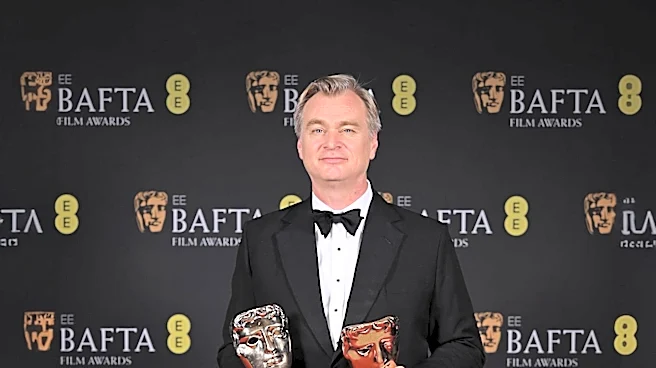
This summer, however, a counter-narrative is emerging, one that champions the simple, profound pleasure of a standalone film. Look at the surprising success of films like 'Obsession' and 'Backrooms', two low-budget, original horror flicks that became breakout hits. They arrived without the baggage of a multi-film arc, offering audiences a complete, self-contained experience. Similarly, Christopher Nolan's epic, 'The Odyssey,' has been a box office force, drawing in audiences with the promise of a singular, ambitious vision filmed for IMAX. These films don't ask you to remember a villain from a 2018 post-credits scene; they just ask for your attention for two or three hours. There’s a freedom in that. You can walk in fresh, get lost in a new world with new characters, and walk out satisfied, knowing you’ve experienced a full story with a beginning, a middle, and that rarest of things in modern Hollywood: a definitive end.
Voting for Originality with Your Ticket
Of course, franchises aren't going anywhere. Sequels like 'Toy Story 5' and 'The Devil Wears Prada 2' are still commanding significant box office attention this summer. The issue isn't that sequels or franchises are inherently bad; it’s that the cinematic ecosystem has become dangerously imbalanced. When nearly every major tentpole is tied to existing intellectual property, it leaves little room for the new ideas that become the beloved classics of tomorrow. But audience behavior is the most powerful force in Hollywood. The unexpected success of smaller, original films sends a clear message to studios: there is a hunger for novelty. When a genuinely good, original movie connects with people, the conversation shifts from 'franchise fatigue' to pure, unadulterated excitement. By choosing to see a film that stands on its own, you’re not just buying a ticket; you’re casting a vote for a more diverse, creative, and surprising cinematic future. You're supporting the idea that a great story is more important than a great marketing plan.