




The Science of Staying Toasty
Before picking a side, it helps to understand the goal. Staying warm isn't about generating heat; it’s about retaining the heat your body already produces. Clothing keeps you warm by trapping a layer of air against your skin, which your body then heats
up. This pocket of warm air acts as a buffer against the colder outside air. The more still air you can trap, the better the insulation. The debate between a heavy coat and layers is really a question of the best way to create and manage that all-important pocket of warm air for the situation you're in.
The Case for Layers: Your Personal Climate Control
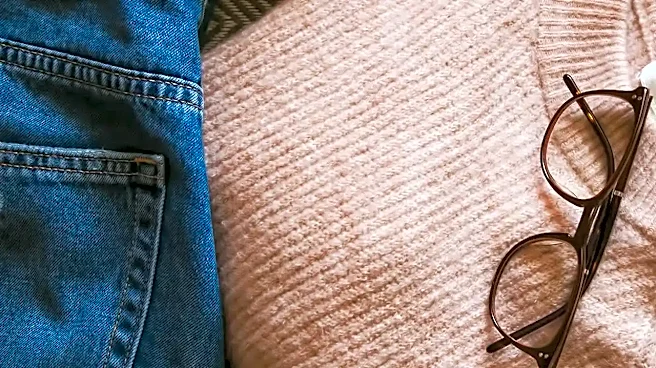
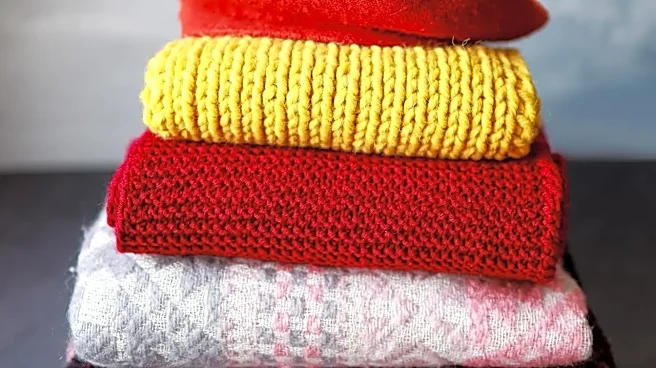
The layering strategy is championed by everyone from mountaineers to construction workers for one primary reason: adaptability. A layering system allows you to regulate your body temperature as your activity level or the weather changes. It typically involves three parts: a base layer, a mid-layer, and an outer shell. The base layer’s job is moisture management; it wicks sweat away from your skin to keep you dry. The mid-layer is your insulator, trapping body heat. This can be a fleece, a wool sweater, or a lightweight puffy vest. The outer shell protects you from wind and rain. The genius of this system is its flexibility. Getting too warm on a brisk walk? Unzip or remove your mid-layer. Wind picking up? Your shell has you covered. By trapping air between each layer, you create multiple, smaller pockets of insulation that are more effective and adjustable than one single, thick layer.
When a Single Heavy Coat Is King
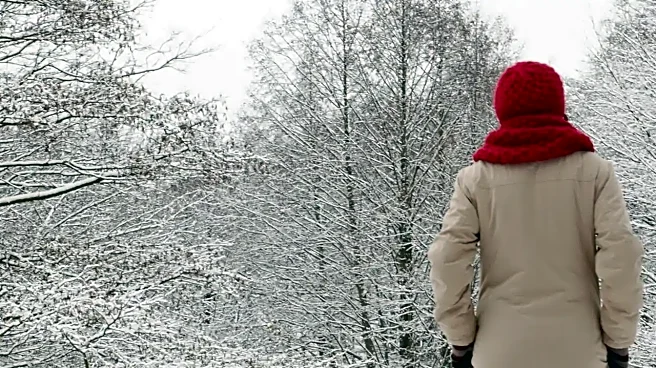
While layering is technically superior for adaptability, don't discount the heavy coat. Its strength lies in its unbeatable convenience for short-term, stable conditions. If you're just running from the house to a warm car to a warm office, or making a quick trip to the grocery store, throwing on a single heavy coat is far easier than assembling a three-part system. A good, thick coat creates a substantial layer of insulation that is perfectly adequate for brief exposure to the cold. The problem, however, is that a heavy coat has only one setting: 'on'. Once you start moving for an extended period or go indoors, you can quickly overheat. When you get too warm and start to sweat, that moisture gets trapped, and when you go back into the cold, that dampness can make you feel even colder.
The Verdict: What to Wear and When
So, who wins the argument? You both do, depending on the day. The right choice depends entirely on your plans.Choose Layers If:- You will be active. Hiking, skiing, or even just a long, brisk walk will cause your body temperature to fluctuate. Layers let you adjust.- You’ll be moving between indoors and outdoors. A day of running errands or a commute on public transit makes it easy to shed a layer when you step inside.- The weather is unpredictable. For days that start cold and get milder, or when there's a chance of wind or rain, the versatility of layers is your best friend.Grab a Heavy Coat If:- Your exposure to the cold will be brief. Think dashing to the car, walking the dog around the block, or standing at the bus stop for a few minutes.- Your activity level will be low and the conditions are stable. If you're standing outside at a chilly but dry football game without much moving around, a heavy coat provides simple, consistent warmth.- Convenience is your top priority. For sheer grab-and-go simplicity, nothing beats a single warm coat.