




The Old Guard Meets the New Algorithm
For decades, the TIFF conversation was dominated by established critics and industry insiders, whose reviews could anoint a film as the next awards-season favorite. That ecosystem still exists, but it no longer holds a monopoly on influence. The real-time,
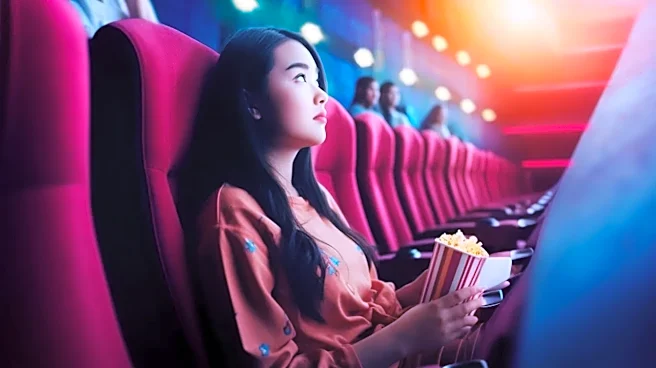
chaotic, and powerful buzz now originates from social media platforms. Younger audiences, particularly Gen Z, are the most frequent moviegoers, and they discover and discuss films differently. Platforms like TikTok and the film-centric social network Letterboxd have become the new tastemakers, where a movie's 'vibe' or a single viral clip can generate more momentum than a rave review from a legacy publication. This democratizes the conversation, shifting power from a handful of critics to a global community of fans.
From Formal Reviews to TikTok Edits
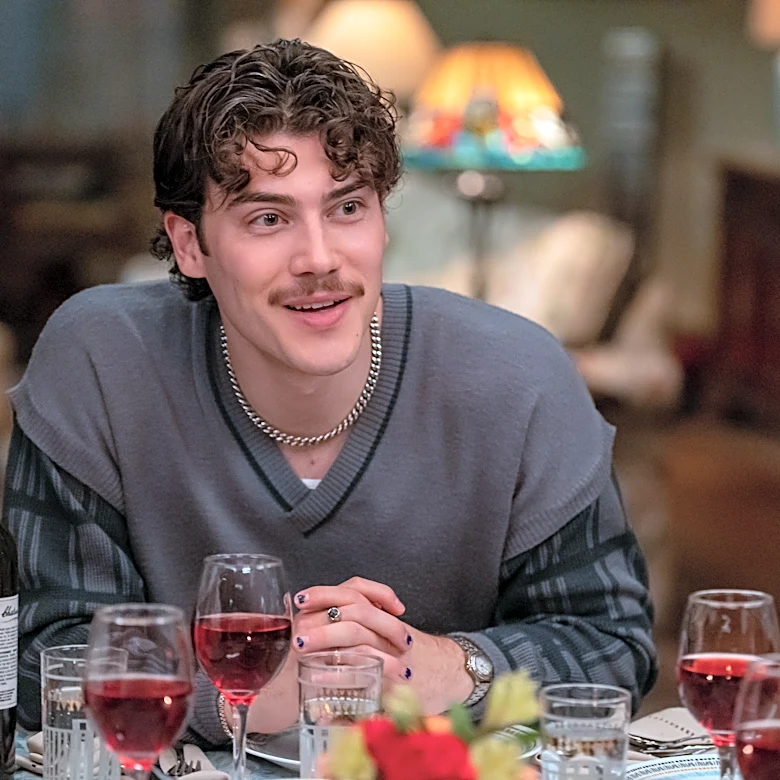
The way buzz builds is fundamentally different. Instead of relying on a full trailer or a formal review, a film can catch fire on TikTok through fan-made edits, memes, or videos of audience reactions. A movie's success with this demographic can hinge on a compelling aesthetic, a charismatic performance, or a theme that sparks immediate, emotional conversation. Studios and distributors are taking note, realizing that an interactive campaign or a partnership with a popular "MovieTok" influencer can be more effective than traditional advertising. This shift means that films connecting with younger viewers on a visceral, shareable level—like the Gen Z rom-com "All That She Wants" or the twisted musical "Stuffed" premiering at TIFF—have a built-in advantage. The conversation is less about whether a film is 'good' in the traditional sense and more about whether it is a cultural moment worth participating in.
Redefining a 'Prestige' Film
This new wave of influence is also changing what kind of films get noticed. While TIFF still showcases traditional Oscar bait, younger audiences often gravitate toward genre films, originality, and stories that reflect their values. Elevated horror, queer cinema, and movies tackling social issues or mental health with candor are finding fervent fanbases. A 2025 UCLA study highlighted that Gen Z and Gen Alpha audiences are particularly drawn to narratives that reject hypermasculinity in favor of emotional vulnerability. This explains why buyers at TIFF are reportedly hunting for originality over star power, looking for the next indie breakout that can capture the Gen Z zeitgeist. It’s a move away from safe bets and toward films that feel fresh, bold, and culturally specific, with TIFF's own programming increasingly reflecting this shift toward independent and provocative voices.
The Festival Adapts
Film festivals, including TIFF, are actively trying to court this younger demographic. This isn't just about survival; it's about staying relevant. Organizers are leaning into creator-led activations, partnering with social platforms, and programming films that speak directly to a generation raised on the internet. The festival's "Discovery" program, which spotlights emerging directors and bold creative risks, is a key indicator of this strategy. By showcasing films from YouTube creators and stories with unconventional aesthetics, festivals are acknowledging that the next great filmmaker might not come from a traditional film school but from a digital platform. The goal is no longer just to screen films, but to curate an entire ecosystem of conversation, community, and experience that meets younger audiences where they are.