




More Than a Reboot, Not Quite a Remake
First, let's define our terms. A legacy sequel isn’t a remake, which retells the original story with new actors. It’s also not a hard reboot, which wipes the slate clean to start a new continuity. Instead, a legacy sequel honors the original film as canon.
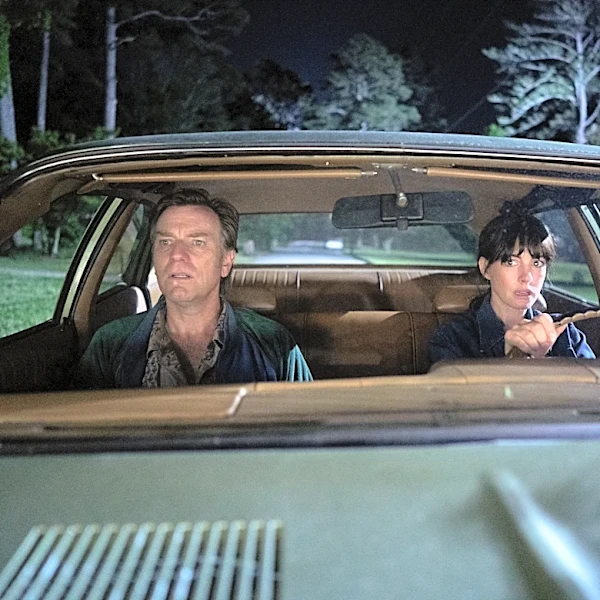
The events of the first movie happened, the heroes you loved are now older, and a new story is unfolding in that same world, usually centered on a younger generation. Think of it as passing the torch. Star Wars: The Force Awakens brought back Luke, Han, and Leia to guide a new trio. Creed saw Rocky Balboa step out of the ring to train the son of his greatest rival. More recently, films like 2024's Twisters and Beetlejuice Beetlejuice have continued this trend, building on the foundations of their iconic predecessors. They acknowledge the past and use its emotional weight to launch something new.
The Nostalgia-Plus-New-Blood Formula
The magic of a successful legacy sequel lies in its carefully balanced formula: one part nostalgia, one part new discovery. For the audience that grew up with the original, it’s a chance to reconnect. Seeing Harrison Ford as a grizzled Han Solo or Michael Keaton back in his pinstripes is a powerful hook. But nostalgia alone is cheap and can lead to hollow fan service. The “plus” is critical. A new, compelling protagonist is needed to carry the story forward. In Top Gun: Maverick, Tom Cruise’s iconic pilot returns, but the film’s heart is his relationship with Rooster, the son of his deceased friend Goose. This creates fresh conflict and emotional stakes. It allows the movie to feel both familiar and original, giving older fans a satisfying continuation while providing a jumping-on point for new viewers who may not have even seen the first film.
Hollywood’s Safest Multimillion-Dollar Bet
From a studio executive's perspective, the legacy sequel is the closest thing to a sure thing in an industry built on risk. Pitching a completely original, star-free blockbuster is a tough sell. But pitching a sequel to a beloved property with a built-in fanbase? That’s an easier conversation. The marketing is half-done before a single frame is shot. The film's title alone does heavy lifting. This was evident with Twisters, which blew past box office expectations in its opening weekend, becoming the biggest debut ever for a disaster movie. The reliability comes from activating a pre-existing emotional investment. People already care about these worlds and characters. The studio isn’t asking audiences to take a chance on something totally unknown; it’s inviting them back to a place they already love.
When the Magic Fails: A Cautionary Tale
Of course, the formula isn't foolproof. For every Creed or Maverick, there’s an Independence Day: Resurgence or a Terminator: Dark Fate—films that tried to replicate the magic but fell flat. The line between a heartfelt homage and a cynical cash grab is razor-thin. Failure often occurs when the new characters are underdeveloped, the story disrespects the original heroes, or the plot feels like a rehash rather than an evolution. Ghostbusters: Afterlife found success by focusing on a family connection to the original team, but even that goodwill can be strained if subsequent entries don't justify their existence. The audience can smell a phony. If the film exists only to exploit nostalgia without adding anything meaningful, viewers will reject it. The execution, not just the concept, is what ultimately determines whether a legacy sequel soars or stumbles.