



A Legacy of Listening
To understand the Newport crowd, you have to look back at its roots. Founded in 1959, the festival was created as a showcase for the diversity of American folk music, a genre built on storytelling. From Pete Seeger to Joan Baez, the early performers commanded
attention not with pyrotechnics, but with the power of their songs and their messages of social change. This established a foundational culture of listening. The festival became a place where the music itself was the undisputed main event, attracting an audience that came to actively engage, not just to be seen. That tradition continues today, even as the definition of "folk" has expanded to include everything from indie rock to hip-hop.
The Community is the Headliner
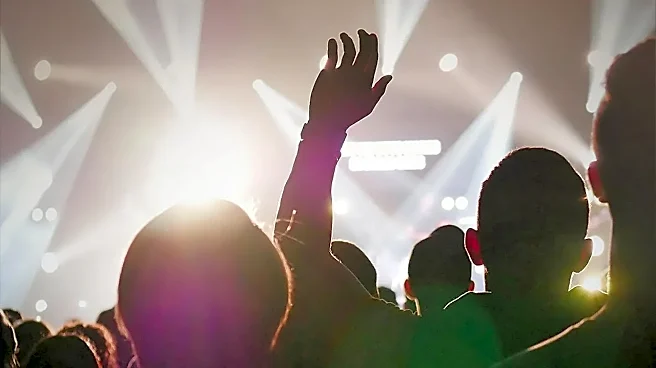
At many festivals, the experience is transactional. At Newport, it's communal. Much of this comes from the fact that tickets are notoriously hard to get, often selling out before a single artist is announced. This creates a self-selecting audience of die-hard fans who share a deep appreciation for the festival's ethos. The result is a crowd that attendees describe as a "Folk Family." Strangers talk to each other between sets, watch out for one another's children, and share a sense of collective ownership over the experience. This bonhomie is a stark contrast to the anonymous, every-person-for-themselves feel that can permeate larger, more commercial events.
An Arena for Collaboration, Not Just Concerts
Newport is legendary for its surprise appearances and once-in-a-lifetime collaborations. One year it's Dolly Parton, the next it's Paul Simon or Joni Mitchell making a triumphant return to the stage. Artists frequently sit in on each other's sets, creating unique musical moments that won't be repeated elsewhere. This programming genius does more than just generate buzz; it fundamentally changes how the audience behaves. Instead of passively watching a familiar set, the crowd remains on high alert, full of anticipation for what might happen next. This fosters a sense of presence and attention, as looking down at your phone could mean missing a piece of music history.
More Than a Festival, It's a Foundation
Since 2010, the festival has been run by the Newport Festivals Foundation, a non-profit organization. Its mission is to "create moments of hope through the power of music and community" by supporting music education and providing aid to artists in need. This changes the dynamic entirely. Attendees aren't just consumers; they are patrons supporting a cause. Knowing that ticket proceeds fund music programs across the country instills a sense of shared purpose that elevates the entire event beyond a simple weekend party. The festival also partners with organizations like HeadCount to register voters, continuing its long history of civic engagement that dates back to the Civil Rights Movement.
The Fort Adams Factor
The physical environment itself plays a crucial role. Held at Fort Adams State Park, the festival grounds are historic, scenic, and relatively compact. With stunning views of Narragansett Bay and the Newport Bridge, the setting is inherently calming and picturesque. Unlike sprawling festivals in dusty fields, Newport is manageable. There's no camping, so everyone goes home at night, and alcohol is restricted to designated areas away from the stages, which helps maintain a family-friendly and respectful atmosphere focused on the music. It’s a space that encourages you to lay down a blanket, breathe in the ocean air, and simply enjoy the show.