




In sewing circles, it’s an old debate: traditional sew-in canvas is the hallmark of quality, while fusible interfacing is a cheap shortcut. But this view is becoming outdated. The truth is, one isn't inherently better than the other.
The Enduring Myth of ‘Proper’ Tailoring
The reverence for
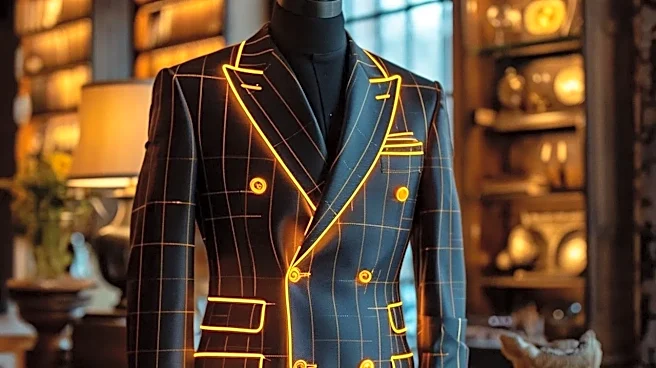
sew-in interfacing, particularly hair canvas, comes from the world of bespoke tailoring. For generations, master tailors have used it to create structure in suits and coats. Sew-in interfacing is stitched to the garment's fabric, creating a 'floating' internal layer. This method allows the outer fabric to drape naturally while providing support, resulting in the soft, rolling lapels and beautifully shaped shoulders of a high-end jacket. This traditional technique is labor-intensive and requires significant skill, which is why it’s associated with premium quality and craftsmanship. Its durability is legendary, and it doesn't carry the risk of 'bubbling' that can happen with poorly applied fusibles, cementing its status as the so-called 'correct' choice.
Meet the Modern Contender: Fusible Interfacing
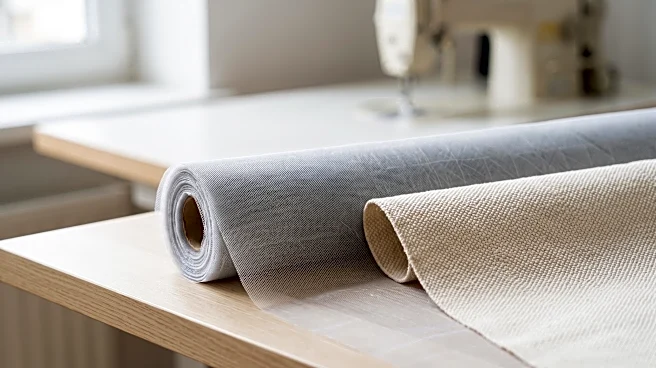
Fusible interfacing, on the other hand, is a material with a heat-activated adhesive on one side. Instead of being sewn in, it's bonded directly to the fabric using an iron. This process is significantly faster and requires less technical stitching skill, which led to its reputation as a shortcut for mass-produced garments. However, fusible technology has come a long way. Early fusibles could be stiff, papery, and prone to delaminating from the fabric after washing, creating unattractive bubbles. Modern fusibles are available in a vast range of weights and types—including woven, non-woven, and knit—designed to work harmoniously with almost any fabric, from delicate silks to stretchy jerseys.
Why Fusible Often Shines
Dismissing fusible interfacing is like refusing to use a stand mixer because a whisk exists. It’s an incredibly useful tool that excels in many situations. For one, it provides an all-over crispness that is ideal for shirt collars, cuffs, and button plackets. It stabilizes the fabric, making it easier to handle and sew, which is a huge benefit when working with shifty or lightweight materials. Furthermore, fusible knit interfacing is a game-changer for sewing with stretch fabrics, as it provides support while moving with the garment. When applied correctly—using the right heat, pressure, and a press cloth—modern fusibles create a durable bond that withstands washing and wear without changing the fabric's hand unnaturally or bubbling.
When Tradition Is Still the Answer
This isn't to say sew-in interfacing is obsolete. There are still many instances where it remains the superior choice. Heat sensitive fabrics like velvet, sequins, or certain synthetics cannot withstand the high temperatures required for fusing, making sew in the only safe option. For heavily textured materials, fusible adhesives may not bond evenly, whereas a sew in can be applied smoothly. In high end tailoring, the floating structure provided by a sew in canvas is still unmatched for creating a garment that molds to the body over time. It allows for a degree of independent movement between the layers that fusibles simply can't replicate, offering a different kind of drape and longevity.
Choosing the Right Tool for the Job
The debate shouldn’t be 'fusible versus sew in,' but rather 'which interfacing for which project?' A skilled sewist knows that both have a place in their toolkit. The key is to make a strategic choice based on a few factors. First, consider your fabric: Is it lightweight or heavy, woven or knit, smooth or textured, heat tolerant or delicate? The rule of thumb is to choose an interfacing that is slightly lighter than your fashion fabric. Next, think about the desired result. Do you need crisp, sharp structure for a collar, or gentle, rolling support for a lapel? Finally, consider the project itself. For a quick cotton tote bag or a casual shirtdress, a quality fusible is efficient and effective. For an heirloom wool coat, the time invested in a sew in canvas will pay off in the final garment.