





England vs. Argentina: A War on Two Fronts
This isn't just a soccer rivalry; it's a cultural flashpoint that boils down to two things: a war and a handball. The tension began in the 1966 World Cup but exploded 20 years later. In 1982, the United Kingdom and Argentina fought a brief but bitter
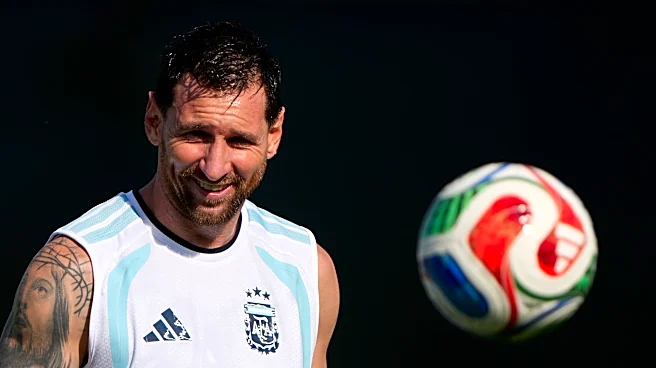
war over the Falkland Islands, known as Las Malvinas in Argentina. The conflict left deep scars in Argentina, and just four years later, the two nations were drawn to face each other in the 1986 World Cup quarter-final in Mexico. The match became a symbolic battleground for a nation seeking retribution. Enter Diego Maradona. Argentina’s captain, a force of nature, scored two of the most famous goals in history within four minutes. First came the “Hand of God,” a blatant handball that he punched over the English goalkeeper to score. The referee missed it, and the goal stood. Minutes later, he scored the “Goal of the Century,” a dazzling run that saw him dribble past half the English team. Argentina won 2-1. Maradona later said, "It was as if we had beaten a country, not just a football team... this was our revenge." Every match since has carried the weight of that history, a reminder that for these two teams, the score is never just about the game.
Netherlands vs. Germany: The Mother of All Grudges
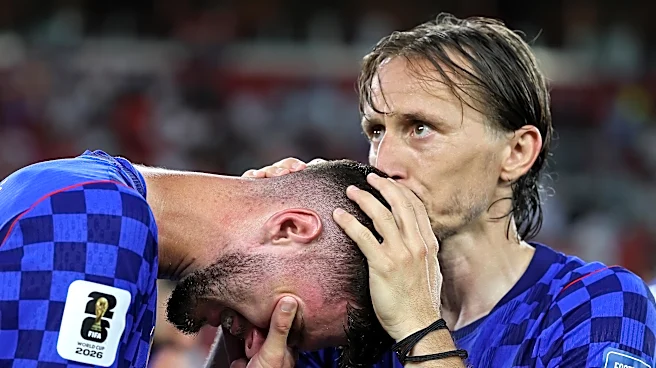
To understand why the Dutch care so much about beating Germany, you have to go back to World War II. The German occupation of the Netherlands was a brutal period that forged a deep-seated anti-German sentiment in Dutch culture. For decades after, soccer provided the only acceptable outlet for this national animosity. The rivalry's defining moment came in the 1974 World Cup final, held in West Germany. The Dutch, led by the legendary Johan Cruyff and playing their revolutionary “Total Football,” were the favorites. They scored in the first minute before a German player had even touched the ball. But the Germans clawed their way back to win 2-1 on their home soil.
For the Dutch, it was a devastating and symbolic loss. Midfielder Willem van Hanegem later admitted his hatred for the German team, saying, "They murdered my father, my sister, and two of my brothers. I am full of angst. I hate them." The Netherlands finally got their revenge in the 1988 European Championship semi-final, beating West Germany in Hamburg. The celebration across the Netherlands was bigger than when they actually won the final. It was a catharsis, a sporting victory that settled a historical score.
USA vs. Mexico: The Battle for North American Bragging Rights
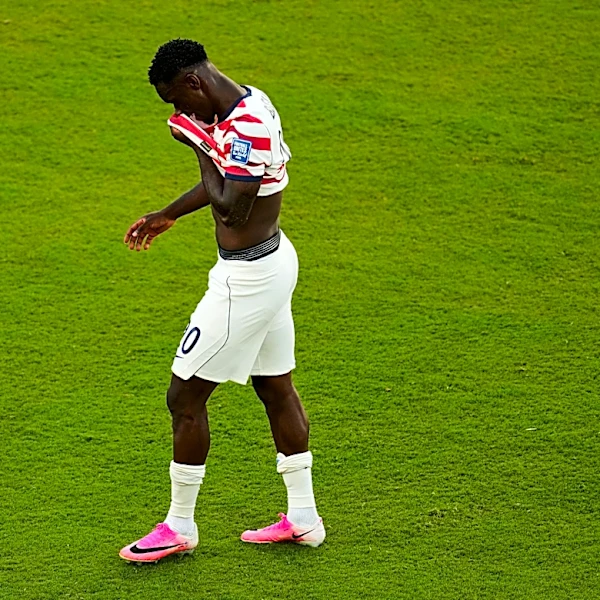
While not rooted in war, the rivalry between the United States and Mexico is a simmering cauldron of cultural, political, and sporting tension. For most of the 20th century, it wasn't much of a rivalry at all; Mexico dominated, often winning by embarrassing margins. But as soccer grew in the U.S. after hosting the 1994 World Cup and launching Major League Soccer, the tide began to turn. The rivalry found its modern identity in the 2002 World Cup, the only time the two have met on the world’s biggest stage. In a tense knockout match, the underdog U.S. stunned a favored Mexican side with a 2-0 victory.
That scoreline, “Dos a Cero,” became a rallying cry for American fans, a symbol of the shifting power dynamic in North American soccer. The U.S. would go on to beat Mexico by that same 2-0 score in multiple crucial home World Cup qualifiers, always in Columbus, Ohio, turning the phrase into a cherished piece of fan lore. While El Tri still holds the historical advantage, the games are no longer a foregone conclusion. They are fierce, physical, and played for something more than just a win—they are for regional supremacy.