








The Most Overlooked Play in Sports?
For decades, the set piece—a corner kick or free kick—was treated like a lottery ticket. A hopeful cross was launched into a chaotic box, and everyone just prayed for the best. It was a break in the action, a moment to grab a snack. Coaches focused on intricate
passing patterns and defensive shapes, often leaving these dead-ball situations to improvisation and luck. The prevailing wisdom was that open play was where games were won and lost. A set piece goal felt like a bonus, not a strategy. But in a sport of fine margins, especially in a tournament like the World Cup where a single goal can end a nation's dream, that thinking has become dangerously outdated.
The Analytics Revolution Hits the Corner Flag
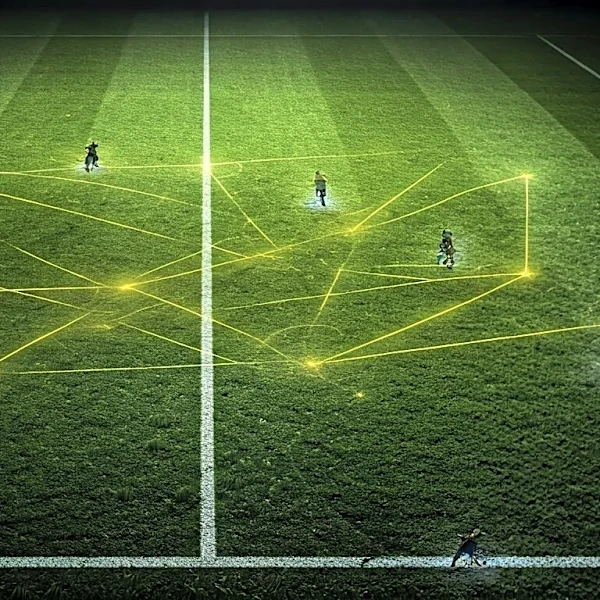
Enter the data geeks and a new breed of specialist: the set-piece coach. In the last few years, top clubs and national teams realized that set pieces are one of the few truly controllable moments in a fluid, chaotic game. They are repeatable scenarios that can be drilled, analyzed, and optimized. Analysts now track every detail: the best delivery zones, player matchups that create an advantage, and defensive formations prone to collapse. This data-driven approach has transformed corners and free kicks from hopeful punts into choreographed plays resembling something from an NFL or NBA playbook. Teams now employ specialists, like Nicolas Jover at Arsenal or the renowned Gianni Vio, who once helped Italy win a European championship with his nearly 5,000 catalogued routines. These coaches don't just draw plays on a whiteboard; they use video and data to exploit micro-weaknesses, turning dead balls into a reliable source of goals.
What to Watch For From Your Couch
So, how do you, the casual fan, spot this revolution? First, look for player movement before the kick. It’s no longer a random scrum. You’ll see “blockers,” players whose job isn't to attack the ball, but to legally obstruct a key defender, creating a clear path for a teammate, a tactic borrowed from basketball screens. Watch for teams 'stacking' players in a tight bunch before they suddenly break in different directions, causing confusion for defenders trying to track their assigned player. Notice the rise of the “outswinger” corner during this World Cup. Instead of the ball curling toward the goal (an inswinger), it curls away, creating more space for attackers to run onto the ball and making it harder for goalkeepers to intervene. Even long throw-ins in the attacking third are now treated as mini-set pieces, with rehearsed movements designed to create a scoring chance.
Why It's the Key to Winning the World Cup
In a tournament format, especially the expanded 2026 World Cup, the importance of set pieces is magnified. As teams advance to the knockout rounds, games get tighter, defenses get stingier, and open space is harder to find. Furthermore, with more knockout rounds, the chances of an underdog pulling off an upset increase. For a less talented team, mastering set pieces is the ultimate equalizer, a way to compete with a global powerhouse by being smarter and more organized in a few key moments. A single, brilliantly designed corner kick can have a massive psychological impact, breaking a deadlock and shifting the entire momentum of a match. In Russia 2018, a record 43% of goals in some stages came from set pieces, a trend that underlines their importance on the world's biggest stage.