


The Fashion World’s Real-Life Runway
First, let's clarify what Pitti Uomo is—and isn't. Held twice a year in Florence, Italy, it’s not a traditional fashion week filled with dramatic runway shows. Instead, it’s a massive trade show where hundreds of brands, from heritage Italian tailoring
houses to avant-garde Japanese labels, set up booths inside the historic Fortezza da Basso. The primary audience isn't the public; it's retail buyers, magazine editors, and stylists who come to see the collections for the *next* season and place their orders. The January edition showcases Fall/Winter collections, while the June event presents Spring/Summer. But over the last two decades, the most important action has migrated from inside the fortress walls to the cobblestone courtyard outside.
Dressing for the Camera, Not the Climate
This is where the timeline gets weird and wonderful. The January show is for the industry to preview the following autumn's heavy tweeds and overcoats. But the thousands of stylish men who descend on Florence—designers, influencers, editors, and buyers—aren't just there to work. They are there to be seen. This gathering has become the single most important street-style event on the planet. And because they know the world's photographers are watching, these attendees don't dress for the chilly Tuscan winter. They dress for the future. They use the platform to experiment with new silhouettes, color palettes, and styling tricks that won't become mainstream for another six months, right when summer hits.
The 'Pitti Peacock' Phenomenon
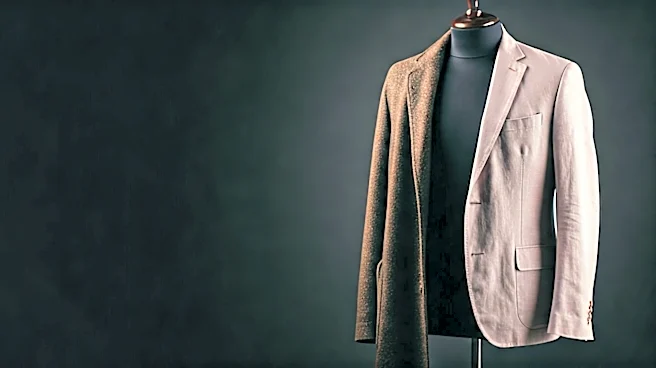
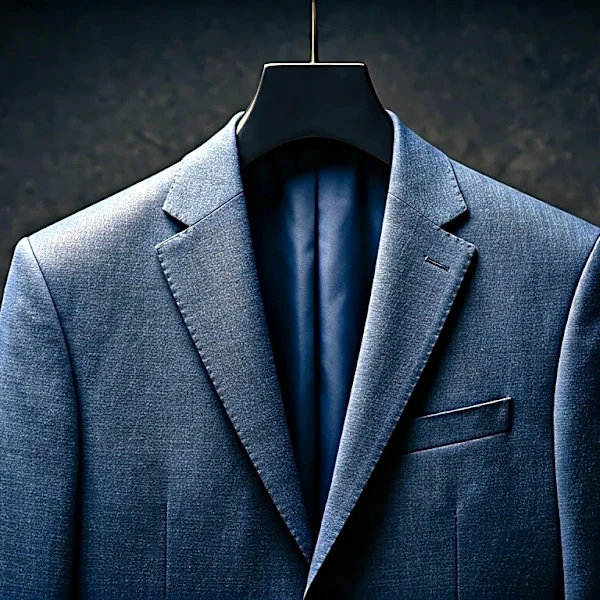
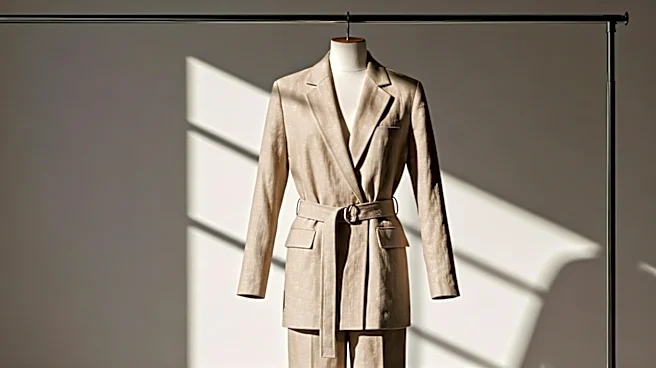
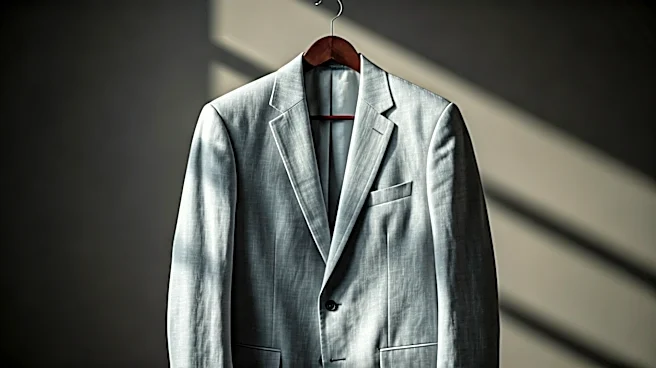
This attendee-as-tastemaker culture gave rise to the term “Pitti Peacock”—men known for their bold, photogenic, and often elaborate outfits. While the term can sometimes be used dismissively, the phenomenon is undeniably powerful. A man wearing a brightly colored linen suit in the middle of a cold January day isn't just seeking attention; he's road-testing a concept. He might be debuting a new way to wear a neckerchief, championing a wider-leg trouser, or showing off an unconventional color pairing. When dozens of other influential figures are doing the same, a collective picture of the *next* season begins to form. They are, in effect, a walking, talking mood board for the summer to come. The outfits are a declaration of intent, a preview of what will soon feel fresh and exciting.
From Cobblestones to Your Closet
The looks captured at Pitti in January don't stay in Florence. Within hours, they are blasted across Instagram, menswear blogs, and online magazines. Editors take note of recurring themes—is everyone cuffing their pants a certain way? Is green the new navy? Brands see what's generating buzz. And importantly, style-conscious consumers see these images and start mentally filing away ideas. This mass documentation creates a feedback loop. A look that might have seemed strange or theatrical on one person gains legitimacy when seen on ten, then fifty. By the time brands start delivering their actual summer collections to stores in April and May, the public has already been subtly pre-conditioned to accept these new ideas. The wide-leg trousers and vibrant sport coats that seemed so daring in the January cold now feel perfectly right for a warm June evening.