




The Old Playbook: Infinite Growth
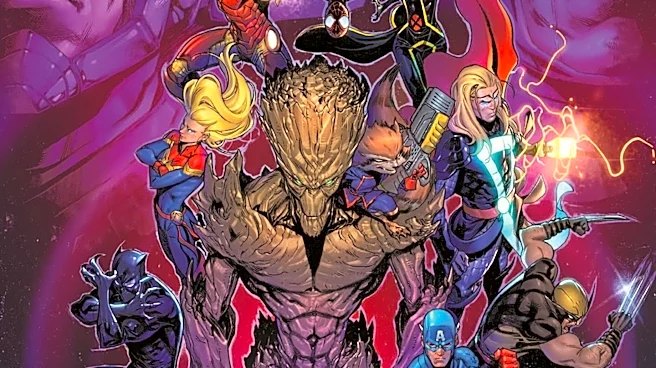
For the last fifteen years, the formula for blockbuster success seemed simple: build a universe and expand it endlessly. The Marvel Cinematic Universe perfected this model, turning a series of movies into a sprawling, interconnected saga across film and television.
Success was measured in quantity—more characters, more spinoffs, more release dates stretching years into the future. At past Comic-Cons, the biggest applause came from revealing a dizzying slate of a dozen or more projects. This strategy was about creating an unstoppable content machine, ensuring audiences were always looking ahead to the next installment. The underlying message was that the story never had to end, and for a long time, the box office returns proved this was a winning, if exhausting, strategy.
The Cracks Begin to Show
But lately, that machine has been sputtering. The phenomenon known as “franchise fatigue” has become a real financial headache for studios. Audiences, overwhelmed by the sheer volume of content and complex, homework-like viewing requirements, began to tune out. Films that were once considered sure-fire hits started to underperform, while others were met with a collective shrug from critics and fans alike. The problem wasn't just that people were tired of superheroes; they were tired of repetitive stories, underdeveloped characters, and plots that felt more like setup for the next thing than a satisfying experience in their own right. The promise of infinite growth ran into the hard reality of finite audience attention and enthusiasm. This forced a reckoning in the executive suites of Hollywood.
The New Gospel: 'Fewer, Better, Smarter'
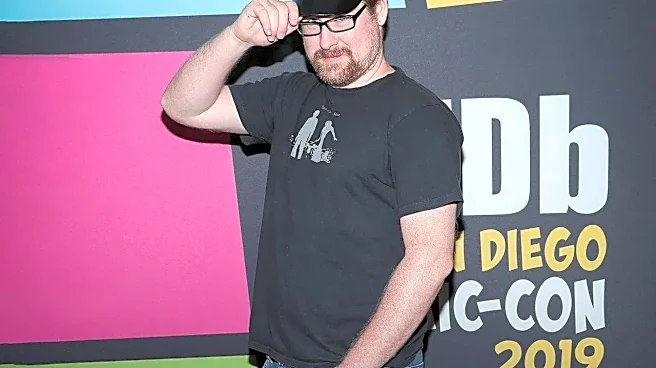
This brings us to the shift we're seeing on stage at events like the recent San Diego Comic-Con. Instead of just a long list of titles, studio heads are now talking about a new philosophy: a focus on quality over quantity. The buzzwords are no longer “interconnected” and “universe-building,” but rather “curated,” “filmmaker-driven,” and “standalone stories.” We’re hearing less about a ten-year plan and more about making the next movie great. This recalibration is a direct response to audience feedback and underwhelming financial returns. Marvel's recent presentations, for instance, have been noted for being more about instilling confidence in a few big projects like Avengers: Doomsday rather than overwhelming fans with a sprawling, multi-year slate. It’s a public admission that the old way wasn't working as well as it used to.
Why Preach Strategy to the Fans?
So why turn a fan convention into a business seminar? Because in today's media landscape, the fans are not just consumers; they are the most important marketing partners a studio has. Announcing a strategy shift at Comic-Con is a calculated move to manage expectations and bring the most dedicated followers along for the ride. It’s about telling the people who camp out overnight for Hall H panels that you’ve heard their complaints. By explaining the “why” behind the new approach—fewer shows to ensure higher quality, more diverse stories instead of a single monolithic narrative—studios are attempting to turn a business correction into a fan-centric promise. It’s a way of saying, “We’re doing this for you,” making the audience feel like insiders and part of the solution rather than just recipients of a product.