
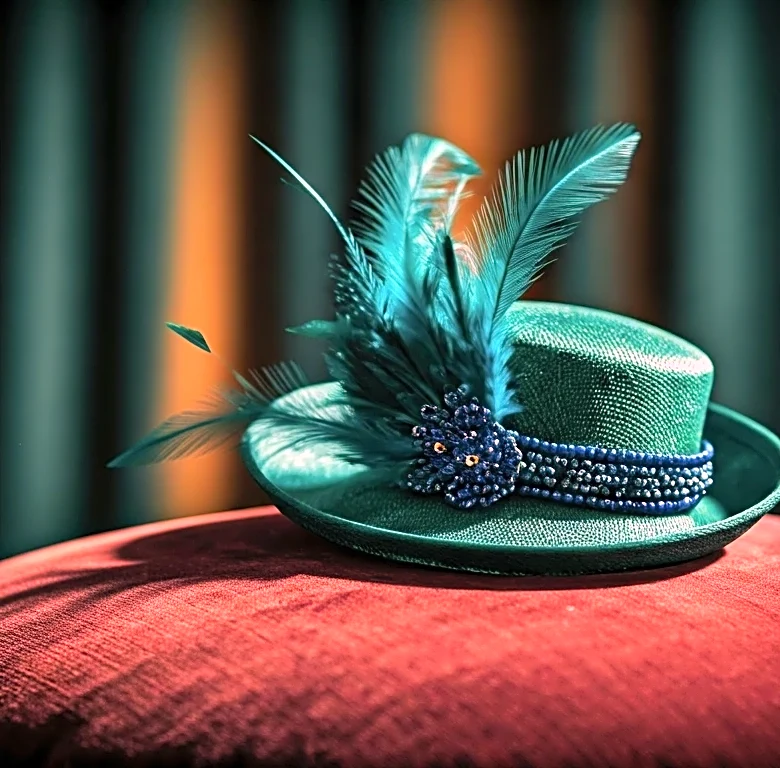

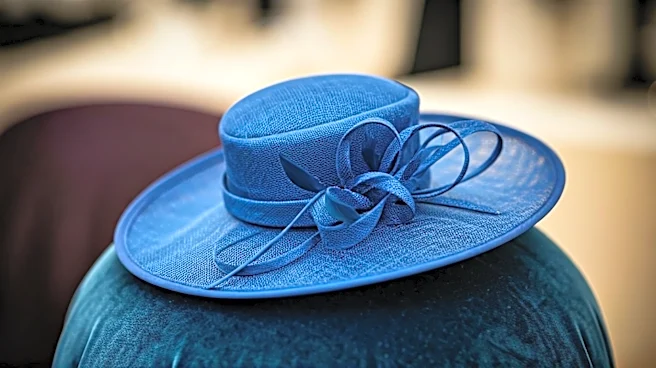
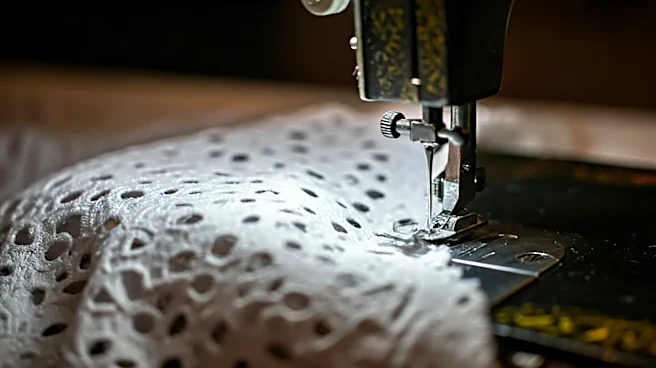



1. Prioritize Natural Fibers
The cardinal rule for avoiding a plasticky glare is to favor natural fibers. Materials like silk, linen, cotton, and fine wool breathe and move with the body in a way synthetics simply cannot. While a 100% polyester dress might boast a low price tag,
it often reflects light harshly, creating a flat, artificial sheen. Insiders opt for fabrics with inherent luxury. Think of a silk crepe de chine, which has a subtle, weighty drape and a soft luster, or a crisp cotton poplin that holds its shape with quiet confidence. These materials absorb and reflect light with a depth and complexity that reads as expensive and considered. Even blends can work, but the key is a high percentage of natural fiber to maintain that sophisticated, organic quality.
2. Differentiate Sheen from Shine
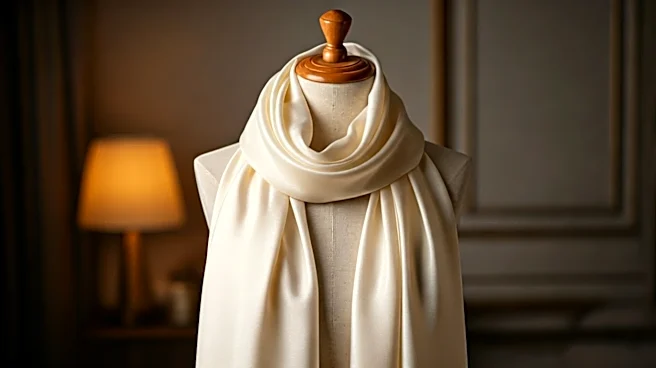
Not all glow is created equal. The goal is a gentle, luminous sheen, not a high-wattage, mirror-like shine. This is where understanding fabric finishes becomes crucial. A silk charmeuse, for instance, has a famous liquid-like quality, but its glow is soft and seems to emanate from within the fabric. Compare this to a cheap satin, which is often made from polyester and has a surface-level, metallic glare that can look garish in broad daylight. Fashion insiders look for fabrics like organza, which has a crisp, ethereal translucence, or a silk gazar, known for its structured yet airy quality. These materials play with light in a sophisticated way, adding dimension without screaming for attention. The test is simple: does the fabric look like it’s glowing, or does it look like it’s coated in plastic?
3. Embrace Texture and Weave
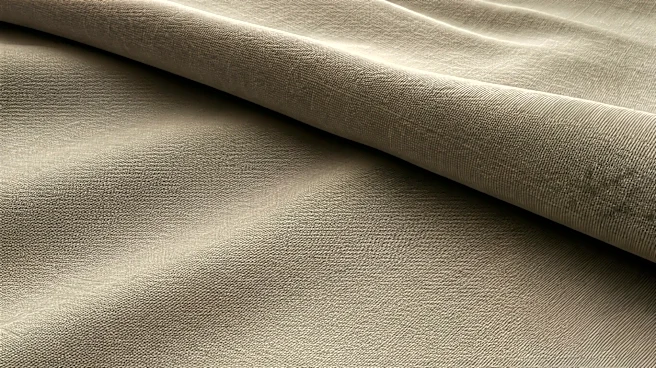
A flat, shiny surface is a dead giveaway of a less-than-luxe fabric. To combat this, style experts lean into texture. A jacquard, for instance, uses a special loom to weave intricate patterns directly into the fabric. This creates a raised, tactile surface where matte and lustrous threads can interact, breaking up the light in a beautiful, dynamic way. Bouclé, tweed, and even embroidered fabrics serve a similar purpose. They add visual interest and a sense of craftsmanship that immediately elevates an outfit. By choosing a dress or suit in a textured material, you create a look that is rich and complex, drawing the eye for its artistry rather than its simple ability to reflect light.
4. Control Luster with Accessories
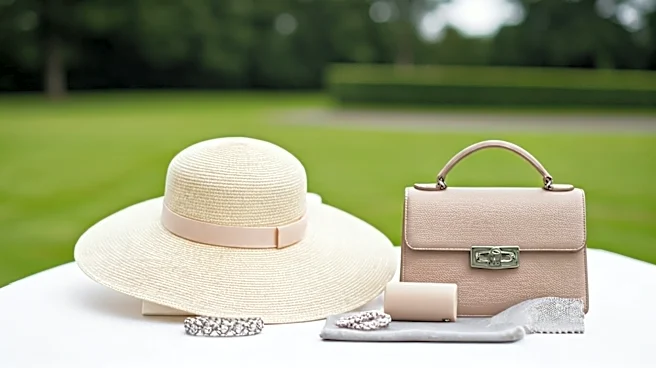
If you want to incorporate a touch of shine, do it with intention through your accessories. This is where you can safely play with metallics and high-shine finishes without overwhelming your look. A perfectly polished patent leather clutch, a pair of elegant metallic heels, or a piece of fine jewelry adds a controlled point of light. The contrast between a more matte or subtly sheened outfit and a high-shine accessory creates a balanced, deliberate statement. The key is containment. Rather than letting an entire garment have a synthetic gleam, you are using shine as a deliberate accent. This strategy allows for a touch of glamour that feels modern and chic, perfectly in line with Ascot’s refined atmosphere.
5. Perfect the Fit and Finish
Even the most luxurious fabric can look cheap if the garment is poorly constructed or fits badly. Puckering seams, an ill-fitting waist, or a hem that hangs unevenly will sabotage any look. Fashion insiders understand that tailoring is non-negotiable. A perfectly tailored silhouette ensures that the fabric drapes as the designer intended, highlighting its best qualities. A well-made garment, with clean lines and impeccable construction, provides a sophisticated canvas. This attention to detail ensures that the entire look is cohesive and polished, reinforcing the quality of the materials and making it clear that every element has been carefully considered. A perfect fit makes fabric look its best, preventing the stretching and pulling that can create unflattering shine on any material.