


The Jacket’s Moment of Truth
The stress test begins the moment an arm extends for a diploma or a trophy. This is where the off-the-rack suit, or even a poorly tailored one, betrays its owner. Watch closely: the shoulder pads might lift awkwardly towards the ear, creating a bizarre,
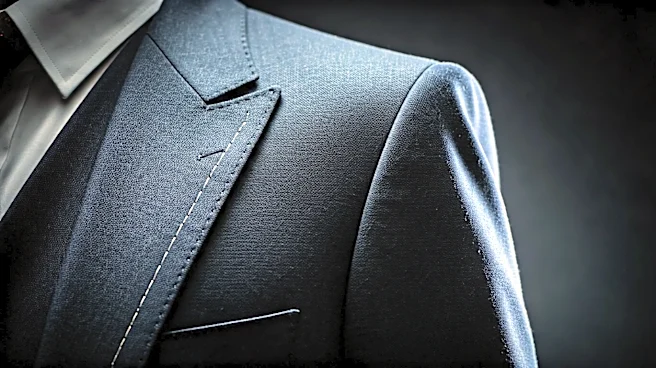
turtle-like shrug. More commonly, the gesture will pull the entire jacket askew, causing the lapels to buckle and the vent in the back to flare open like a ship’s sail catching a sudden gust. A well-fitted jacket, by contrast, allows for a full range of motion without such drama. Its shoulders are soft and sit naturally; the armholes are high enough to let the arms move independently of the jacket’s torso. When the wearer reaches, only the sleeve moves. The rest of the garment stays put, maintaining a clean silhouette. The stage walk exposes this instantly. It’s a dynamic movement that static mirror-checks in a store can never replicate.
The Great Trouser Debate
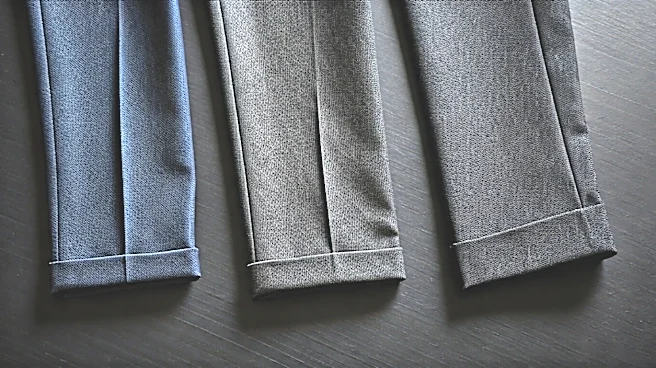
As the walk commences, all eyes drop to the legs. This is where the trousers are judged, and the primary offense is the break—the fold of fabric that occurs where the pant hem meets the shoe. Most men get this wrong, defaulting to a pooling puddle of fabric around the ankles. This “full break” looks sloppy, breaks the clean line from hip to foot, and can even become a trip hazard. On stage, under unforgiving lights, it just reads as ill-fitting. The opposite error, trousers that are too short, can look like a deliberate fashion choice, but more often appears accidental, exposing too much sock and creating a comical, grown-out-of-your-clothes effect. The perfect trouser has a slight or no break, with the hem just grazing the top of the shoe. When the man walks, the fabric moves cleanly without bunching or flapping. The fit in the seat and thighs is also tested here; too tight and it strains, too loose and it billows. The walk is a referendum on length and fit, and the results are often brutal.
Footwear Under the Spotlight
The walk across a stage is also an acoustic event. The sound of shoes on a hard surface can be either a confident, solid tap or a sad, plasticky clomp. Cheap, synthetic-soled dress shoes announce their presence with an unflattering sound that screams “rental.” Beyond the sound, there’s the visual. Stage lights are notorious for highlighting every scuff, crack, and unpolished surface on a pair of shoes. A beautiful suit paired with battered footwear is like framing a masterpiece in cheap plastic. The style matters, too. Bulky, square-toed shoes—a relic of the early 2000s—look clunky and disrupt the elegant line the rest of the outfit is trying to achieve. A classic, well-maintained leather dress shoe, whether an oxford or a derby, completes the look. It’s the anchor of the entire outfit, and on that walk, it’s as visible as the smile on the recipient’s face.
The Tyranny of the Details
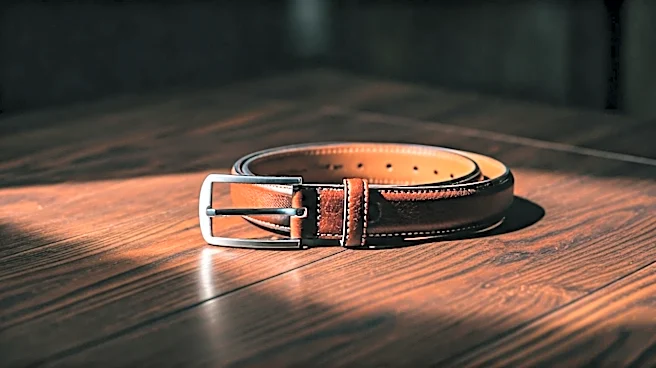
Finally, the stress test scrutinizes the small things that collectively make or break the look. The tie is a major culprit. Is it too long, its tip dangling awkwardly below the belt buckle? Or is the knot a giant, lumpy Windsor when a simple four-in-hand would have sufficed? Then there’s the shirt collar. A weak, floppy collar that collapses under the jacket looks defeated. Even worse is the dreaded collar gap, where the jacket collar pulls away from the shirt collar at the back of the neck—a tell-tale sign of a poor fit across the shoulders and chest. The combination of bright lights and movement reveals everything: the rumpled shirt, the slightly-too-tight buttons pulling at the waist, the mismatched belt and shoes. The walk consolidates all these minor missteps into one glaring conclusion: the outfit wasn't truly considered for the moment it was intended for.