



1. Master the New Relaxed Fit
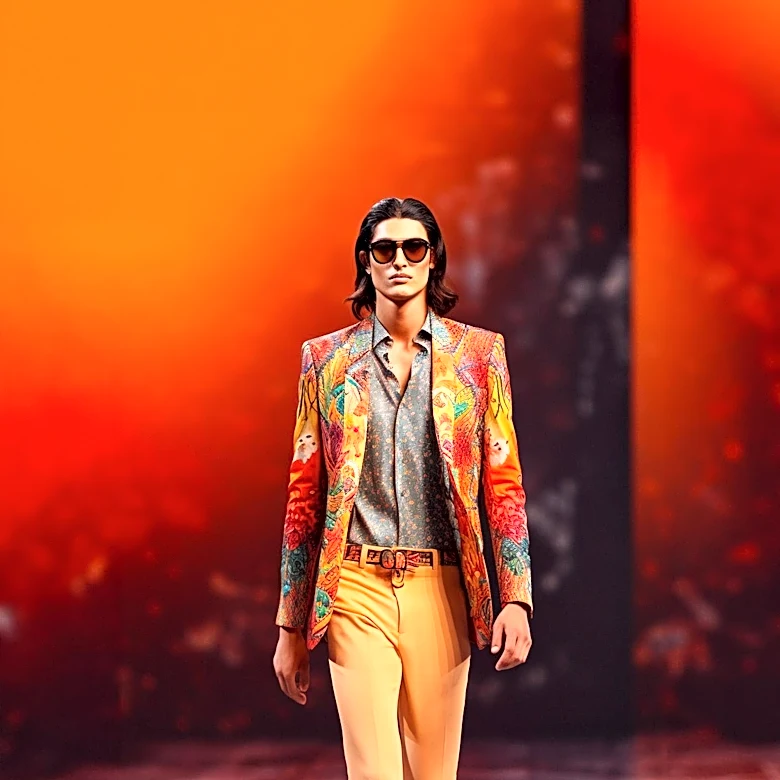
For years, menswear was dominated by the slim, narrow silhouette. That era is definitively over. Paris runways have doubled down on relaxed, comfortable, and even oversized shapes. We’re talking wider trousers, boxier jackets, and shirts that give you
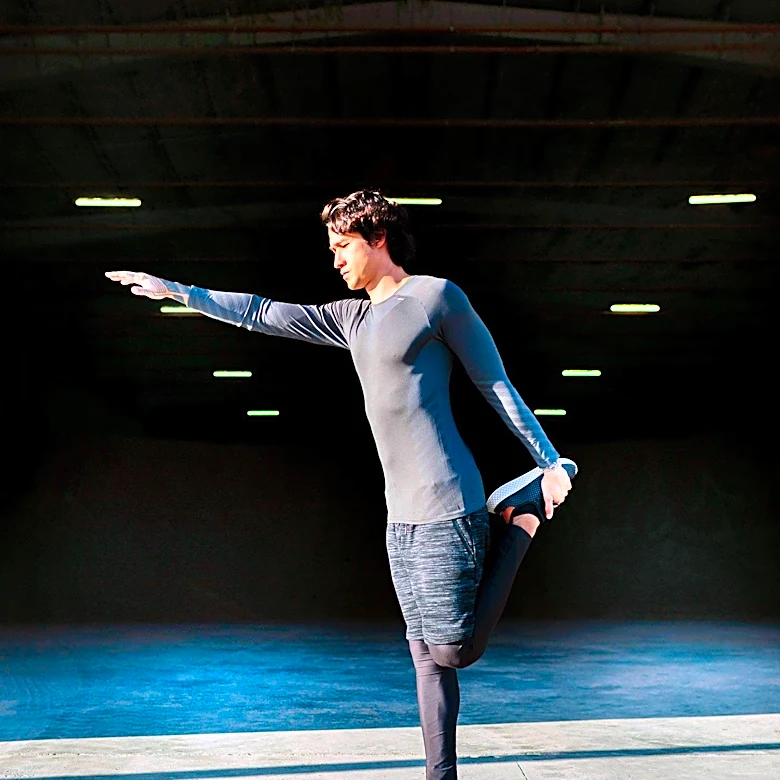
room to breathe. The knee-jerk reaction is to worry about looking sloppy, but the lesson here is about proportion, not volume. The key is balance. If you’re wearing wide-leg chinos or denim, pair them with a more fitted t-shirt or a structured chore coat. If you opt for a boxy, oversized jacket, keep the pants on the straighter, more tailored side. This isn't about swimming in your clothes; it’s about embracing a silhouette that’s more confident, comfortable, and modern. Start by swapping your skinniest jeans for a straight-leg or relaxed-fit pair. It’s the single easiest way to update your look.
2. Texture Is the New Graphic Tee
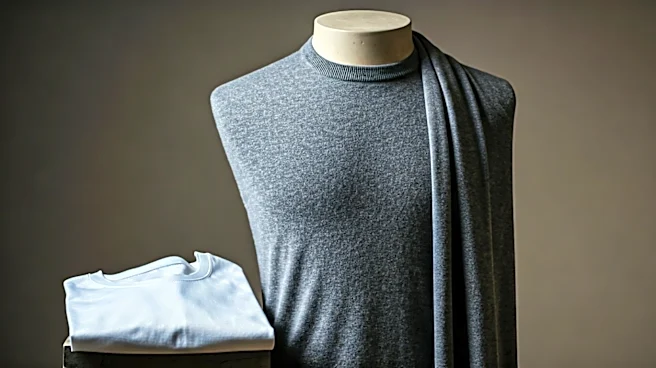
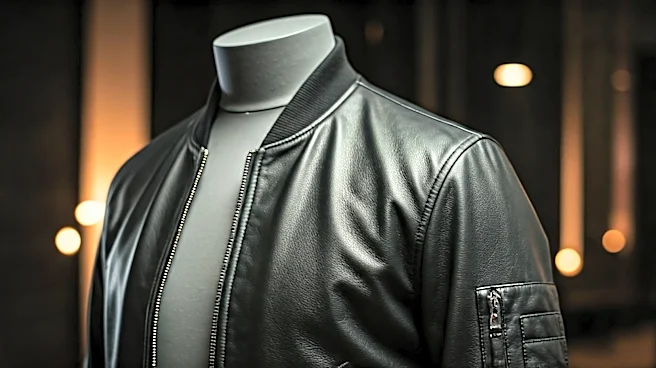
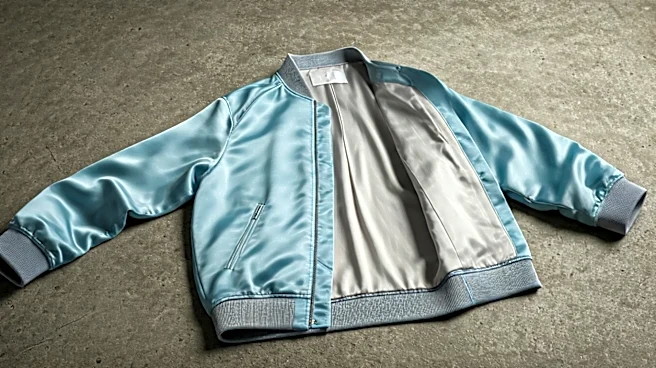
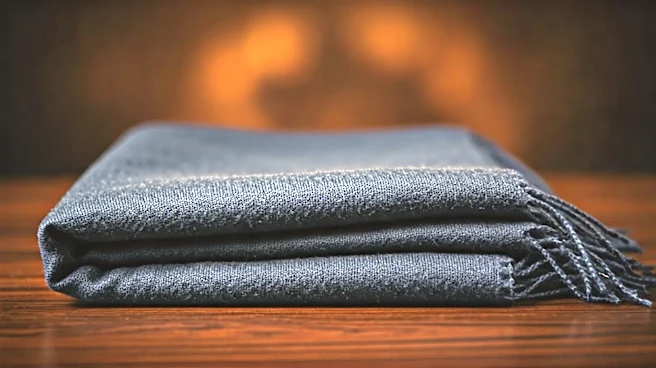
While bold colors and patterns always make a splash, the more subtle and sophisticated trend emerging is a focus on texture. Designers are using everything from chunky, artisanal knits and crinkled linens to technical nylons and even sheer fabrics to add visual interest without screaming for attention. An outfit composed entirely of navy blue can be fascinating if it involves a mix of corduroy pants, a knit polo, and a nylon jacket. This is a godsend for guys who prefer a more neutral, minimalist palette. You can create a rich, dynamic look without stepping outside your color comfort zone. The street-level takeaway is simple: when you’re shopping, run your hands over the fabric. Look for a sweater with a unique weave, a shirt made from slub cotton, or a jacket with a tactile finish. These pieces add depth and make your entire outfit feel more considered and expensive.
3. The 'Work' Uniform Has Been Redefined
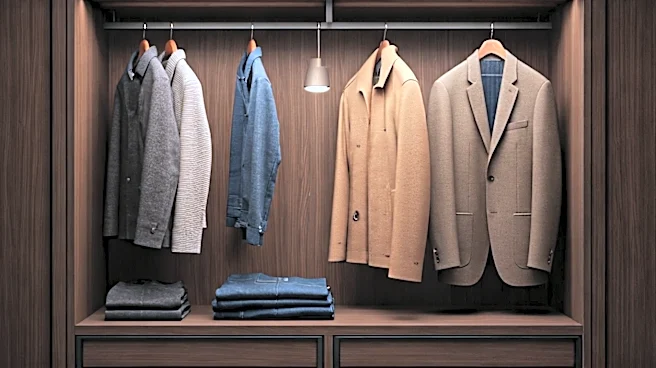
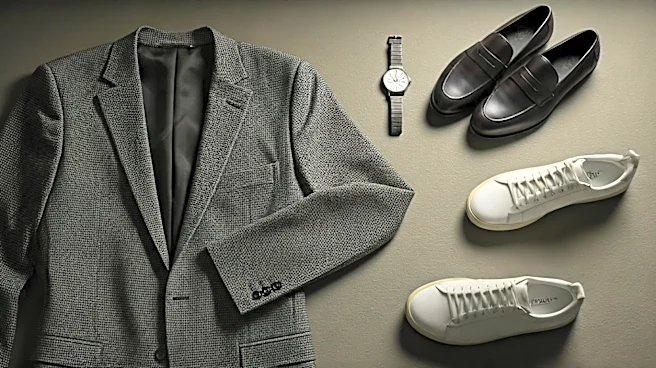
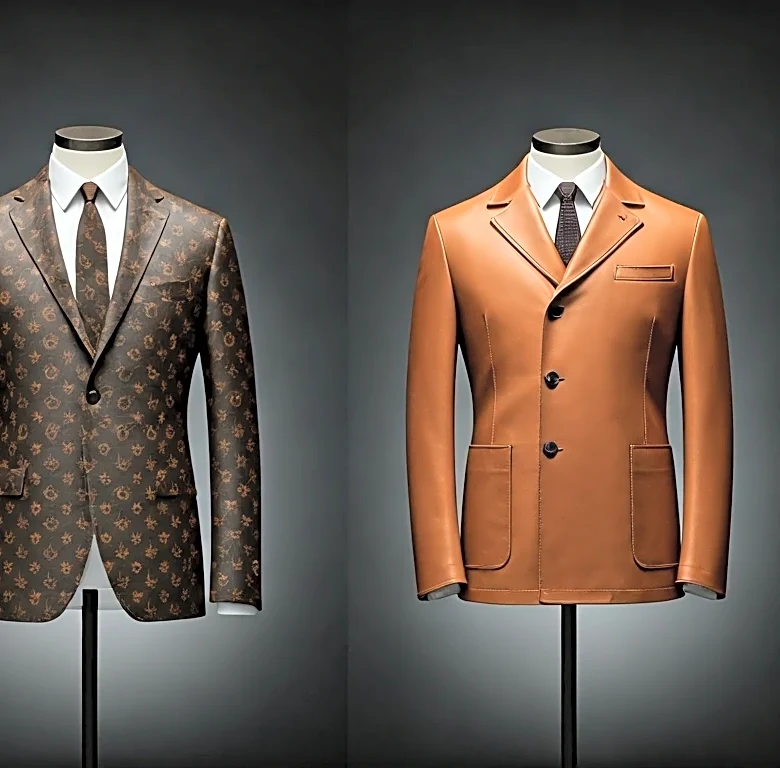
The line between on-duty and off-duty style has been blurring for a decade, and Paris runways are showing us what’s next. The new uniform is a hybrid of comfort and polish. Think less traditional suit, more “soft tailoring.” This translates to unstructured blazers with no shoulder pads, worn over a high-quality knit instead of a button-down. It’s tailored trousers paired with a clean, minimalist sneaker. It’s the return of the knit polo as a legitimate alternative to a dress shirt. The lesson isn't to abandon tailoring but to reinterpret it for a world where the office is a fluid concept. Invest in a well-made, versatile blazer in a material like hopsack or linen that you can dress up or down. It’s the new workhorse of the modern wardrobe, equally at home on a Zoom call and at a weekend brunch.
4. Invest in 'Elevated' Everyday Staples
One of the strongest throughlines from Paris is the idea of taking a humble, everyday garment and elevating it through superior materials and craftsmanship. We’re seeing hoodies in cashmere blends, simple chore coats in supple suede, and classic five-pocket jeans made with premium Japanese selvedge denim. This isn’t about flashy logos; it's about an 'if you know, you know' sense of quality. The lesson for the average guy is to adopt a 'buy less, but better' mentality for the items you wear most. Instead of owning five fast-fashion hoodies, consider investing in one truly great one that will last for years and feel incredible every time you put it on. This applies to white t-shirts, sneakers, and sweatshirts. Upgrading the quality of your basics is the most effective way to make your entire wardrobe look more put-together.
5. An Accessory Is an Anchor, Not an Afterthought
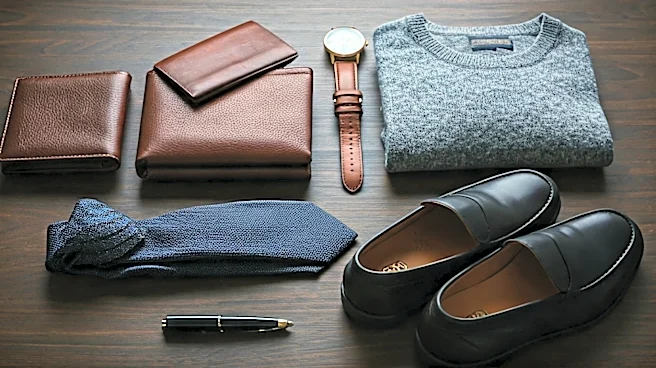
On the runway, accessories can be extreme: massive tote bags, architectural sunglasses, or layers of jewelry. Ignore the spectacle and focus on the principle: a single, well-chosen accessory can anchor an entire outfit. The takeaway is to find one or two signature pieces that reflect your personality. It could be a classic watch with an interesting strap, a simple silver chain necklace worn under a crewneck sweater, a pair of distinct glasses, or a durable canvas tote that’s more stylish than a backpack. The point is to stop treating accessories as an optional final touch and start seeing them as an integral part of your look. It’s the difference between getting dressed and building an outfit.