
What Exactly Is Visual Weight?
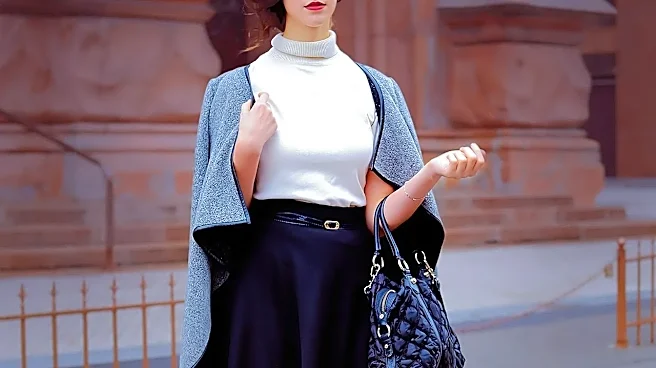
Think of visual weight as how much an item grabs your eye. A piece with high visual weight is a scene-stealer; it has a 'gravity' that pulls your attention. Conversely, a low visual weight item is more subtle, a supporting actor. Unlike color, which is just
one factor, visual weight considers everything: texture, volume, pattern, and shine. Mastering it means you can create a balanced, intentional look, even if you're wearing head-to-toe black. It’s about creating contrast and interest that the eye can travel across, making the outfit feel dynamic rather than flat.
Texture: The Silent Workhorse
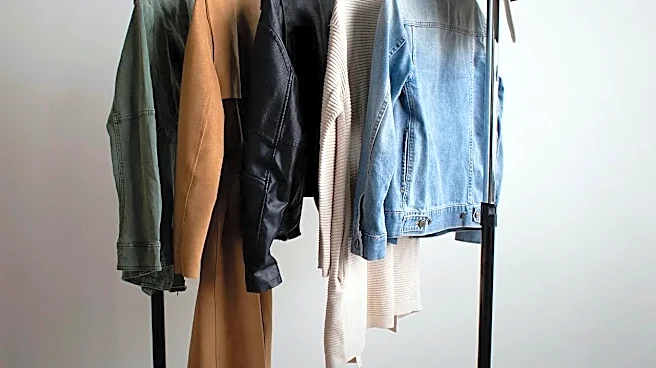
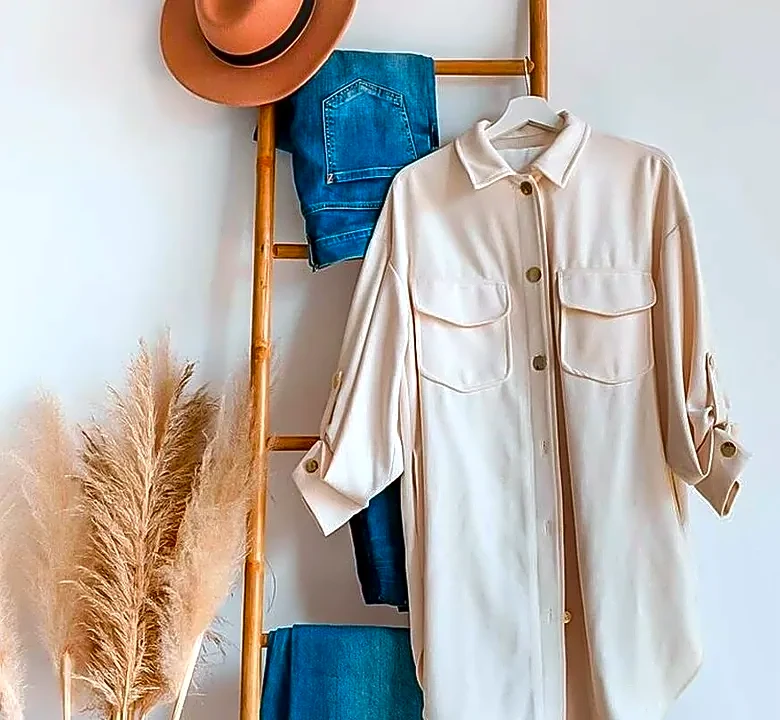
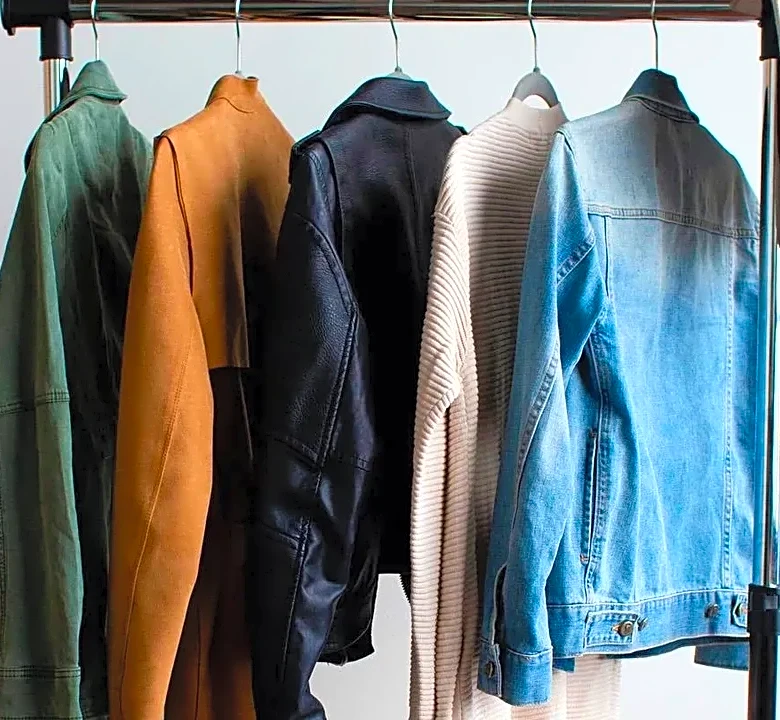
Texture is one of the most powerful tools for managing visual weight, especially in monochromatic or neutral outfits. A chunky knit sweater has a high visual weight due to its tactile, bulky nature. Smooth silk or satin has a lower visual weight. The key is to create contrast. Pair a 'heavy' texture like leather, tweed, or thick denim with a 'light' one like silk, cotton, or cashmere. A leather jacket over a silk camisole is a classic example. The sleekness of the jacket (high weight) is balanced by the delicate drape of the top (low weight), creating an outfit that’s interesting and sophisticated without needing a pop of color.
Volume and Silhouette
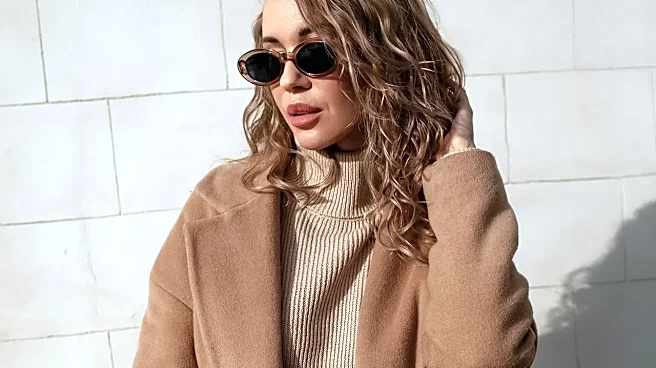
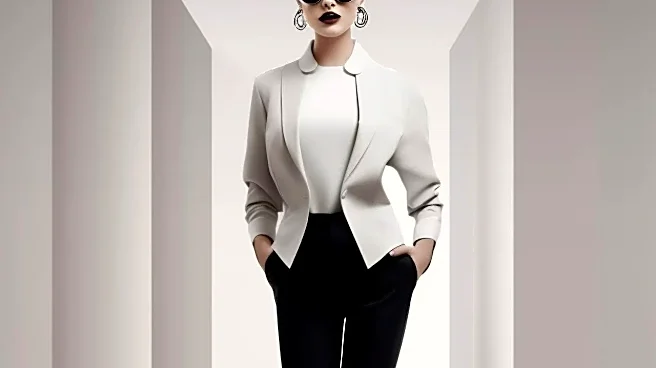
The shape and volume of your clothing are direct contributors to visual weight. An oversized blazer or wide-leg trousers have more visual weight than a fitted t-shirt or skinny jeans. The rule of thumb for balance is simple: pair a voluminous piece with something more streamlined. If you're wearing billowy wide-leg pants, a fitted top will prevent the outfit from looking shapeless. Conversely, if you’re wearing a statement piece like a puffy-sleeved blouse, grounding it with simple, slim-fit pants keeps the focus on the interesting silhouette without overwhelming your frame. Simple styling tricks like a French tuck or adding a belt can also instantly shift an outfit's balance.
Pattern and Shine as Accents
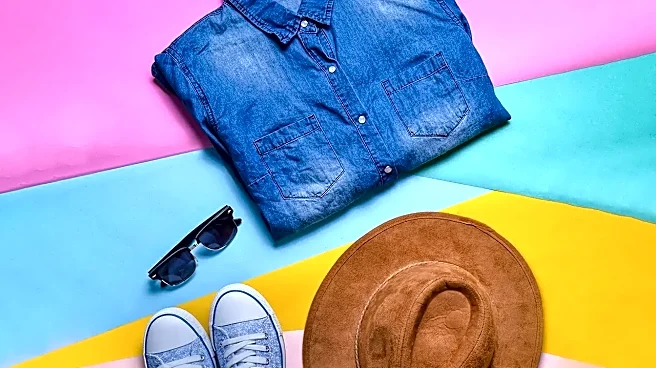
Patterns and shiny finishes are instant attention-grabbers, giving them high visual weight even in small doses. A brightly patterned scarf, a pair of metallic shoes, or a sequined clutch can have as much impact as a much larger, plainer garment. Use these as tools to direct the eye and create balance. For instance, if you're wearing a simple, dark-colored dress (which has a medium visual weight), adding a bold, patterned belt can create a focal point and break up the solid block of color. When mixing patterns, a good starting point is to pair a large-scale print with a smaller one; this allows one pattern to dominate while the other acts as a texture.
Putting It All Together: An Example
Let's build a balanced outfit using only visual weight. Start with a pair of simple black trousers—a mid-weight, matte foundation. Now, add a chunky, cream-colored wool sweater. The sweater’s heavy texture and lighter (but still neutral) color give it a higher visual weight, so it becomes the focal point. But now the top half feels heavier than the bottom. To balance this, add a pair of black leather boots. The shine and structure of the leather add weight back to the lower half, grounding the look. Finally, a simple accessory, like a delicate silver necklace, adds a touch of shine without competing. The result is a balanced, chic, and interesting outfit built not on color theory, but on a deliberate play of texture and weight.