
The Ultimate Reset Button
A penalty shootout is soccer’s great equalizer, a brutal and brilliant mechanism designed to break a deadlock when two teams are inseparable after two hours of play. After 90 minutes of regulation and 30
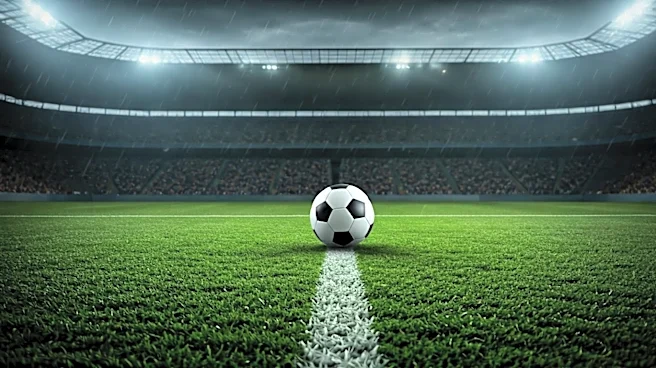
minutes of extra time, the game’s complex ballet of strategy, teamwork, and endurance is stripped away. The sprawling field shrinks to a single, terrifying stage: the penalty spot. A team that was outplayed, out-possessed, and hanging on by a thread is suddenly on equal footing with a global superpower. All the tactical genius of a Pep Guardiola or the midfield dominance of a Luka Modrić becomes irrelevant. The contest is reset to its most primal form: one player, one goalkeeper, and the crushing weight of a nation’s hopes resting on a single kick. It’s a moment so detached from the rest of the sport that it feels like an entirely different game has begun.
The Psychology of Twelve Yards
The walk from the center circle to the penalty spot is often called the loneliest walk in sports, and for good reason. For those 40 or 50 yards, a player is utterly alone with their thoughts. The roar of the crowd fades into a muffled hum, and the collective effort of the past two hours dissolves into an individual test of nerve. This isn't just about skill; every professional at this level can blast a ball into a net from 12 yards. This is a test of mental fortitude. Studies have shown that players under extreme stress experience 'attentional narrowing,' where their focus constricts, often leading them to look at the centrally-placed goalkeeper instead of the open corners of the goal. The heart rate skyrockets. The fear of being the one who misses—the one who costs their team everything—can be paralyzing. For the goalkeeper, it’s a free hit; they are expected to be beaten, so every save is a moment of pure heroism. For the kicker, anything less than a goal is a catastrophic failure.
A Graveyard of Giants
History is littered with the ghosts of powerhouse teams vanquished by the shootout. In the 1994 World Cup Final, the divine ponytail of Italy’s Roberto Baggio, arguably the best player in the world at the time, became a symbol of national heartbreak when he skied his penalty over the bar, handing the trophy to Brazil. In 2006, a mighty French team led by Zinedine Zidane fell to Italy in the World Cup Final on penalties. More recently, the 2022 World Cup provided a masterclass in the shootout’s humbling power. Brazil, the perennial favorite, was sent packing by a resilient Croatia. Later, Spain’s technically sublime team, masters of possession, looked utterly helpless as they failed to score a single penalty against a defiant Morocco. In each case, the team that was 'better' on paper, the team with the richer pedigree and more celebrated stars, was brought to its knees by the sheer, unblinking pressure of the shootout.
A Lottery of Skill
Detractors often dismiss the shootout as a 'lottery,' a coin-flip unworthy of deciding a major championship. And while an element of luck is undeniable, calling it a pure lottery ignores the profound skill involved. It’s a specific, high-pressure skill that some teams and cultures embrace better than others. The Germans, for example, have a famously formidable record in shootouts, treating them not as a game of chance but as a solvable engineering problem requiring practice, composure, and ice-cold execution. Goalkeepers study kickers' tendencies. Players practice their routines to make the moment as automatic as possible. It’s less a lottery and more a specialized, brutal test of character. It doesn't measure which team is better at soccer; it measures which group of individuals is better at handling an almost inhuman amount of pressure.