



Think Like a Sculptor, Not a Painter
The key to a dynamic monster face is treating it like a three-dimensional sculpture. A single, flat color will never look real. To avoid this, you need to create the illusion of light and shadow using a spectrum of tones within your chosen color family.
Before you touch a brush to your face, your goal is to map out where you want to create depth and where you need to pull features forward. Whether your monster is a grayscale ghoul, a bloody crimson demon, or an ethereal blue spirit, the principles are the same. Your makeup kit should include not just one base color, but its lightest and darkest variations as well. Think pure white, multiple shades of gray, and a deep black. This 'value scale' is your most powerful tool.
Build Your Foundation in Layers
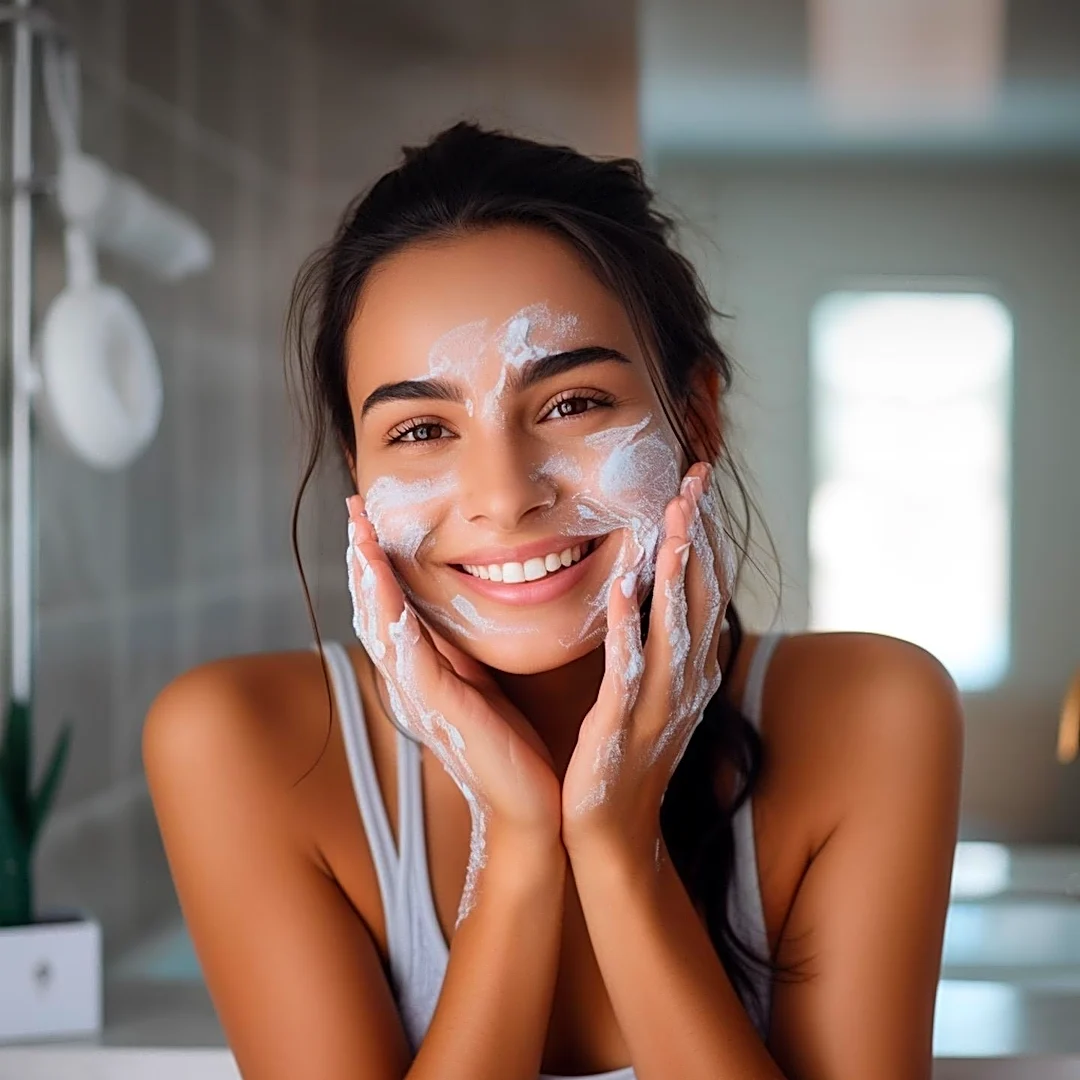
Start with a clean, moisturized face to create a smooth canvas. Apply a primer to help the makeup adhere and last longer. Instead of caking on your main color in one thick coat, build it up. Begin with a mid-tone as your base. For a grayscale look, this would be a light or medium gray, not pure white. Apply it evenly with a damp sponge. This mid-tone serves as the neutral ground upon which you will build your shadows and highlights. Applying a single heavy layer of pure white or black is the fastest way to a flat, unconvincing finish. By starting in the middle, you give yourself room to add both darker and lighter values, which is essential for creating dimension.
Carve Your Features with Shadows
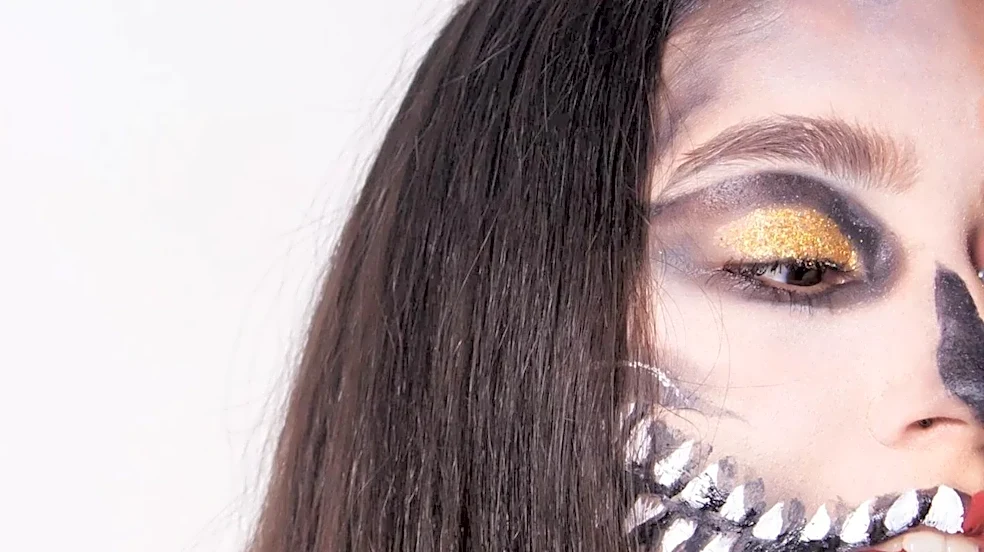
This is where your monster comes to life. Using the darkest shades in your palette (like a dark gray or black), you'll add shadows to recede and define parts of the face. Think about a skull. The eye sockets, the hollows of the cheeks, the temples, and the areas under the jawline are naturally in shadow. Use a smaller, denser brush or a targeted sponge to apply your darkest color to these areas. Blend the edges softly into your mid-tone base to create a smooth gradient, avoiding harsh lines unless you want a very stylized, graphic look. Don't be afraid to exaggerate. For a monster, you want deeper-set eyes and sharper cheekbones than you would for a standard beauty contour.
Pop the Dimension with Highlights
Once your shadows are in place, it's time to do the opposite. Using your lightest shade (like an off-white or pure white), you'll accentuate the high points of the face—the areas where light would naturally hit. This includes the brow bone, the top of the cheekbones, the bridge of the nose, and the chin. Applying these highlights makes those features appear to come forward, creating a powerful contrast with your shadows. This push-and-pull between light and dark is what gives your face structure and prevents it from looking like a flat circle. You can use a small brush for precision or even your fingertip to pat the highlight on and gently blend.
Finish with Texture for Realism
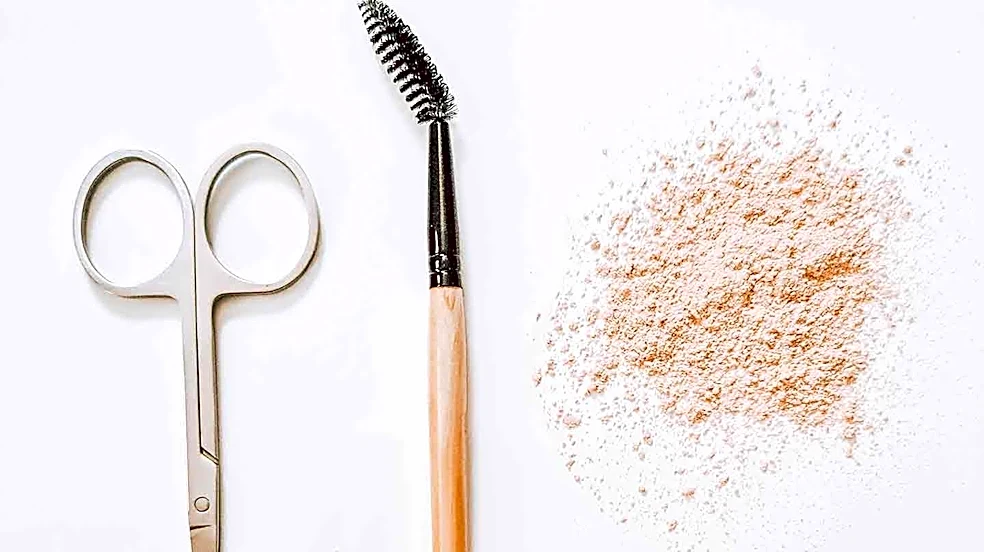
Dimension isn't just about color; it's also about texture. A perfectly smooth face can look artificial. To add another layer of believability, play with different finishes and application techniques. Use a stippling sponge with a slightly darker or lighter color to create a mottled, uneven skin texture. You can also layer powders over creams. A matte powder in the hollows can deepen the look of a shadow, while a bit of shimmer on a highlight can create a wet or supernatural sheen. Even using different tools, like a toothbrush to spatter on flecks of color for a decaying effect, can add incredible depth. These final textural details are what elevate a good monster makeup to a great one.