




An Identity Forged in Leather
Fendi's story, since its founding in Rome in 1925, has been deeply intertwined with masterful craftsmanship in leather and fur. For many, the brand’s modern identity was cemented in 1997 with the creation of the Baguette bag by Silvia Venturini Fendi.
Dubbed the original "It bag," it became a cultural phenomenon, a status symbol that defined an era of luxury. This accessory-first reputation was a commercial blessing and a creative challenge. For years, the ready-to-wear collections, even under the legendary Karl Lagerfeld, often felt like a beautiful backdrop for the main event: the bags. The clothes were luxurious, yes, but the bags were the pieces that drove the conversation and, crucially, the business.
Enter Kim Jones
The narrative began to change significantly with the appointment of Kim Jones as Artistic Director of Couture and Womenswear. Arriving with a celebrated background in menswear at Dior and Louis Vuitton, Jones brought a different perspective. He is a master of interpreting and respecting a brand's heritage while pushing it into a contemporary, often more fluid, space. From his first collections, it was clear his focus was on building a complete Fendi wardrobe. He looked deep into the archives, not just at the bags, but at the silhouettes and sensibilities established by the Fendi sisters and Karl Lagerfeld, aiming to build a vision of practical, timeless elegance.
The Clothes Are the Conversation
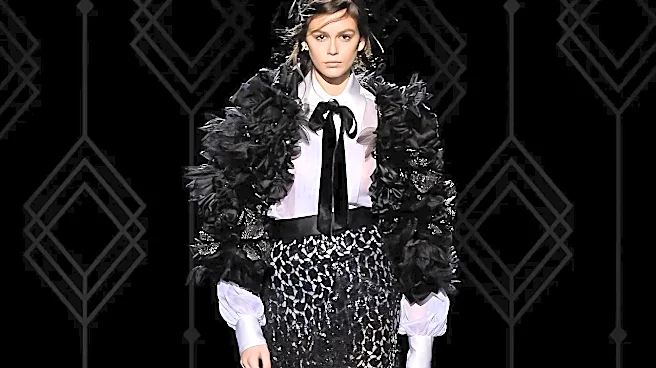
Under Jones, Fendi's clothing has developed a voice of its own—one defined by a quiet confidence and a sophisticated ease. His collections explore a delicate balance between structure and softness, often playing with sheer fabrics, relaxed tailoring, and unexpected color palettes. Recent runways have shown a focus on reinterpreting classic Roman draping with a modern, wearable sensibility, creating pieces that feel both historical and entirely of the moment. This isn't fashion built for a single dramatic photo; it’s a wardrobe for women who are active participants in their lives. The emphasis is on luxurious but useful pieces: lightweight suede, softly constructed coats, and silk dresses that are elegant without feeling restrictive. The clothes themselves are now telling a story of subtle power and refined taste.
Redefining the Fendi Woman
This evolution in the clothing is cultivating a new identity for the Fendi woman. She is no longer just a carrier of an iconic bag; she is someone dressed with a nuanced, intellectual approach to style. Jones's work suggests that true luxury is found in the comfort and confidence your clothes give you. The aesthetic is less about overt branding and more about the interplay of exceptional materials and thoughtful construction. While Silvia Venturini Fendi continues to innovate with accessories, including new takes on the iconic Baguette, the ready-to-wear now provides a richer context. The clothes offer a complete thought, a total look that feels both aspirational and deeply personal, moving the brand beyond its accessory-driven past.