



The Conductor in the Control Booth
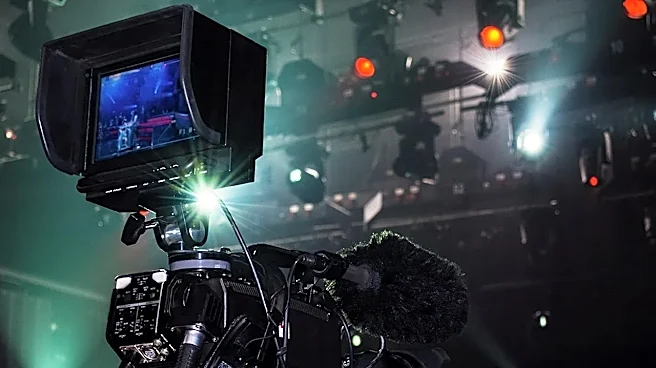
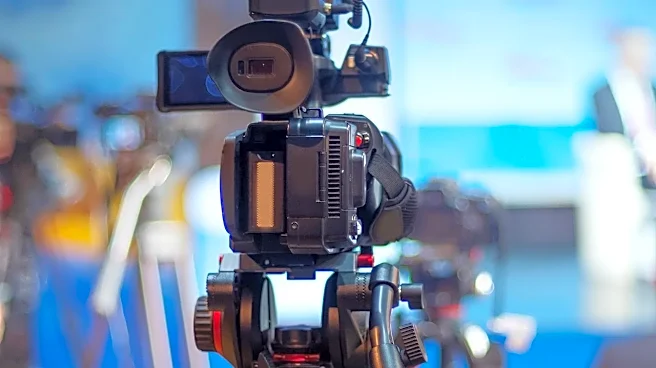
At its core, multi-camera directing is the art of capturing a single performance from numerous angles simultaneously. Think of a classic sitcom taped before a live studio audience, a late-night talk show, or a massive live event like the Super Bowl halftime
show. Instead of shooting a scene, resetting, and filming it again from a new angle, multi-cam productions use a team of camera operators to get wide shots, close-ups, and audience reactions all in one go. The director sits in a control room, often described as a television nerve center, staring at a wall of monitors displaying every possible feed. Their job is to choose the best shot at any given second, creating a coherent and compelling narrative in real time. It’s a role that requires the creative vision of a filmmaker and the split-second decision-making of an air traffic controller.
More Than Just Calling Shots
The director's voice is a constant presence in the ears of the production crew. They are simultaneously instructing camera operators (“Camera 2, get a close-up on the host!”), cueing the technical director to switch feeds (“Ready 2, take 2!”), and coordinating with the floor manager on set. But their responsibilities go far beyond just picking camera angles. They are also in charge of cueing pre-recorded video packages, bringing in graphics, prompting musical stings, and ensuring the on-air talent hits their marks. It’s a high-pressure environment where timing is everything. An awards show director, for example, must seamlessly integrate nominee packages, presenter introductions, and winner announcements while keeping the entire broadcast on its strict schedule. One missed cue can create an awkward silence or, even worse, throw the entire production into disarray.
The Art of Anticipating the Unplannable
What truly elevates multi-camera direction to a “masterclass” is the ability to manage the unpredictable. While a sitcom might follow a script, live television is inherently spontaneous. A director for a show like “Saturday Night Live” or an awards ceremony must be prepared for anything. If a comedian goes off-script, a winner’s speech runs long, or a piece of scenery malfunctions, the director has to adapt instantly. They must decide whether to stay on the speaker, cut to a reaction shot in the audience, or go to a wide shot to mask the issue. This requires not just technical proficiency, but a deep understanding of storytelling and human emotion. Capturing the perfect, tearful reaction from a winner's family member isn't luck; it's the result of a director who anticipates the moment and has a camera in the right place at the right time. It’s about building a narrative on the fly, transforming potential chaos into memorable television.
A Skill Honored at the Emmys
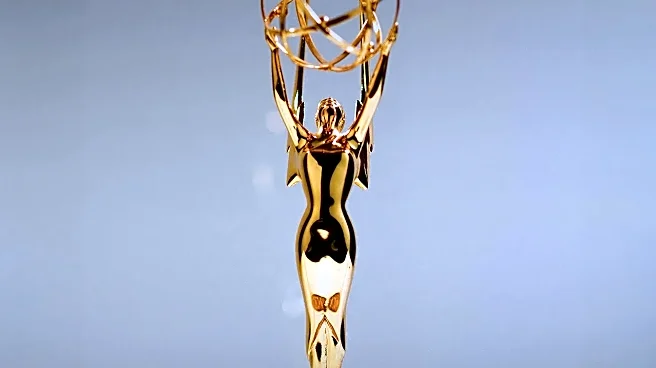
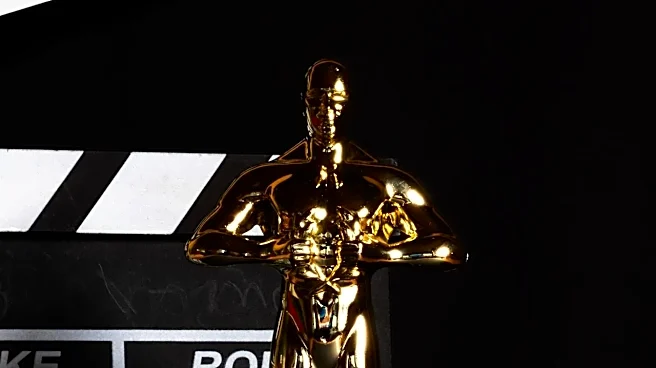
The Creative Arts Emmys recognize this immense skill with categories like Outstanding Directing for a Variety Series and Variety Special. Recent winners for these high-pressure jobs have included Hamish Hamilton for the spectacle of the Super Bowl LX Halftime Show and Yvonne De Mare for her work on the final episodes of "The Late Show With Stephen Colbert". These awards acknowledge that directing a live or multi-camera show is a unique discipline, distinct from the more controlled environment of a single-camera film or drama. It’s a celebration of grace under pressure, technical wizardry, and the artistry required to make the most complex productions feel effortless to the millions watching at home. Whether it's a live musical, a political debate, or a major sporting event, the director is the unseen artist shaping our experience.