

It’s About Finish, Not Just Formula
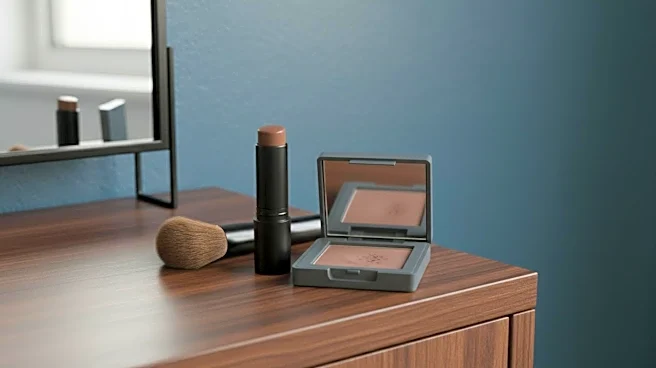
The most significant misunderstanding is that cream and powder are just different textures of the same thing. In reality, they deliver fundamentally different finishes. Cream contour, which comes in sticks, pots, and liquid formulas, contains emollients
that melt into the skin, creating a dewy, natural, and skin-like finish. It’s designed to blend seamlessly with liquid or cream foundations, giving a subtle shadow that looks like it’s part of your skin. Powder contour, on the other hand, consists of finely milled pigments that sit on top of your makeup. This provides a matte finish that is excellent for absorbing oil and creating a more defined, sculpted, and photogenic effect. Think of it this way: cream is for a hydrated, 'your-skin-but-better' sculpt, while powder is for a velvety, long-wearing, 'ready-for-my-close-up' chisel.
Your Skin Type Gets the Deciding Vote
Choosing the right contour is less about trends and more about working with your biology. If you have dry, dehydrated, or mature skin, cream contour will be your best friend. Its hydrating properties prevent it from clinging to dry patches or settling into fine lines, instead providing a youthful glow. Conversely, for those with oily or combination skin, powder contour is the undisputed hero. It helps control shine and provides a matte effect that lasts longer on skin that produces excess oil. Using a cream product on very oily skin can cause it to shift or break down throughout the day, while applying powder to very dry skin can sometimes look chalky or accentuate texture. Listening to your skin is the first step to a flawless application.
The Real Difference in Application
A common mistake is applying these products incorrectly. The golden rule is simple: creams and liquids blend with other creams and liquids, while powders work best on top of other powders. You should apply cream contour over your liquid foundation before setting your face with any powder. This allows the products to merge beautifully. Blending can be done with fingers, a damp sponge, or a dense brush. Powder contour, however, should be applied after your face has been set with a translucent powder. Applying powder onto a wet foundation base can result in a patchy, streaky application. Powder requires a fluffy, often angled, brush to build color gradually and diffuse it for a soft, airbrushed look.
Skill Level and Forgiveness Factor
For beginners, cream contour is generally considered more forgiving. Its blendable nature makes it easier to correct mistakes; if you apply too much, you can simply blend it out with a sponge or your fingers. It’s harder to create harsh lines with a cream product. Powder contour can be trickier because the pigment often has more immediate payoff, making it easier to accidentally apply too much. The technique requires a lighter hand, starting with a small amount of product and building it up slowly. While mastering powder takes a bit more practice with brushes, the precision it offers is unmatched for a truly defined look.
The Pro Secret: You Don't Have to Choose
The ultimate pro-level technique involves using both. This is how makeup artists create dimension that is both natural-looking and incredibly long-lasting. Start by applying your cream contour to map out the shadows and create a dewy, blended base. This establishes the initial shape. Then, to set the cream and intensify the definition, lightly dust a powder contour on top of the same areas. This layering method gives you the seamless, skin-like finish of a cream with the staying power and matte definition of a powder. It’s the best of both worlds, perfect for special events, photos, or long days when you need your makeup to perform without fail.