




A Perfect Hollywood Marriage
From 2002's "Insomnia" through 2020's "Tenet," the partnership between Christopher Nolan and Warner Bros. was the stuff of legend. It was a famously director-friendly studio that gave Nolan the creative freedom and nine-figure budgets to create some of the 21st
century's most defining blockbusters. "The Dark Knight" trilogy, "Inception," and "Dunkirk" were not just films; they were cultural events that grossed billions and cemented Nolan's reputation as Hollywood's most reliable creator of original, ambitious cinema. In return for its investment and trust, Warner Bros. had a guaranteed hitmaker. It was a symbiotic relationship built on artistic respect and staggering financial success, seemingly destined to last forever.
The Break: 'The Worst Streaming Service'
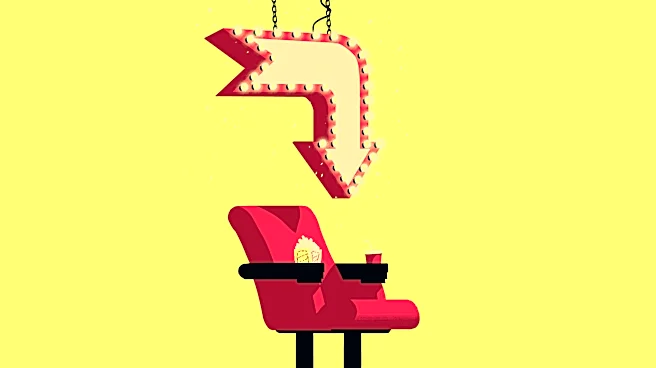
The breaking point came in December 2020. With the pandemic shuttering theaters, WarnerMedia's then-CEO, Jason Kilar, made a unilateral decision codenamed "Project Popcorn": the studio's entire 2021 film slate would debut simultaneously in theaters and on its fledgling streaming service, HBO Max. The move was designed to prop up the streamer, but it blindsided and infuriated the creative community. No one was more vocal than Nolan. He called the move a "real bait-and-switch" and declared that many filmmakers "went to bed the night before thinking they were working for the greatest movie studio and woke up to find out they were working for the worst streaming service." The trust, built over two decades, was shattered. It wasn't just about streaming; it was about the lack of communication and the perceived disrespect for the theatrical experience Nolan championed.
A Bidding War for a Generation's Top Director
With his relationship with Warner Bros. irreparably damaged, Nolan became the most sought-after free agent in Hollywood. For the first time since 2002, he was shopping for a new studio home for his next project, a WWII-era film about J. Robert Oppenheimer. Several major studios, including Sony, Apple, and Universal, were summoned to his office to read the script and make their pitch. Nolan wasn't just looking for a blank check; he came with a list of ironclad demands born from his fallout with his former studio. He wasn't just making another movie; he was making a statement about the value of his work and the theatrical experience itself.
Universal's Winning Hand
In the end, Universal Pictures won the high-stakes auction by simply saying yes. Nolan's demands were unprecedented in the modern studio era: a $100 million production budget, an equal marketing budget, total creative control, an exclusive theatrical window of 90-120 days, 20% of the film's first-dollar gross, and a "blackout" period where Universal couldn't release another film for three weeks before or after his. It was a deal Warner Bros. was no longer willing to make but one its historic rival, Universal, was happy to. For Universal, the cost was not just an investment in a single film but a chance to poach one of the most prestigious and profitable filmmakers from its competitor, signaling a commitment to a director-first, theater-first philosophy when others were wavering.