



The Most Honest Holiday Film Ever Made
Before she even gets to her parents' house, Claudia Larson (Holly Hunter) has been fired from her job, kissed her boss, learned her teenage daughter is about to have sex for the first time, and caught a cold. That's the opening sequence, and it sets a tone
of beleaguered authenticity that most holiday movies wouldn't dare touch. This isn't a film about the magic of the season; it’s about surviving it. The 'comedy' in this dramedy isn't built on slapstick, but on the painfully recognizable chaos of being an adult who temporarily reverts to being a child in their parents’ home. The central joke is one every adult knows: 'When you go home, do you look around and wonder, who are these people?' It's a movie that finds humor not in caricature, but in catharsis.
A Cast That Embodied Dysfunction Perfectly
The film’s lasting power comes from its ensemble cast, a veritable murderer's row of talent who feel less like they're acting and more like they were caught on a home video. Holly Hunter is our perfect, frazzled anchor, but it’s the family orbiting her that makes the film sing. Anne Bancroft and Charles Durning as parents Adele and Henry are a symphony of passive-aggression and sincere, baffling love. Cynthia Stevenson plays the resentful, conservative sister Joanne with a bitterness so real it stings. And then there’s Robert Downey Jr. as Tommy, the gay, prank-loving brother who serves as both the family's comedic engine and its emotional core. Foster famously allowed Downey Jr. to improvise, channeling his chaotic energy into a performance that is electric, hilarious, and deeply moving. His alliance with Claudia against the family's suffocating norms is the sibling relationship many of us recognize—a shared foxhole in the war of a holiday weekend.
It Finds Hilarity in the Horror
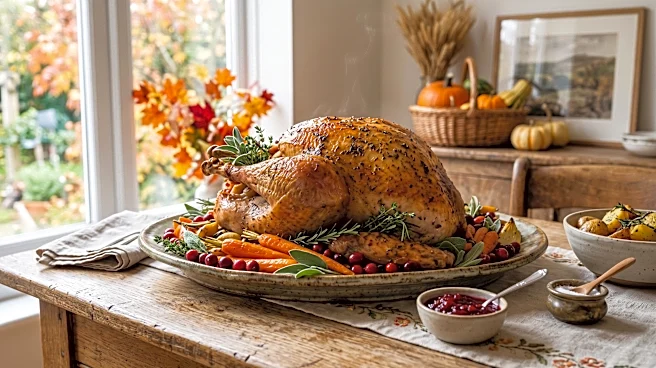
The movie’s most iconic scene, the Thanksgiving dinner, reportedly took ten days and 64 turkeys to film. The result is a masterclass in controlled chaos. It’s not just one thing going wrong; it’s everything going wrong at once. An eccentric Aunt Glady (Geraldine Chaplin) professes her long-held love for her brother-in-law. Tommy accidentally launches the prized turkey into his sister's lap, a moment of supreme slapstick that quickly devolves into a screaming match where deep-seated resentments boil over. Joanne outs Tommy's secret marriage to the entire table in a fit of rage. It’s horrifying, uncomfortable, and hysterically funny because it feels so plausible. Unlike other films where conflict is a tidy plot device, here it’s the entire texture of the event, just like a real family dinner.
Jodie Foster's Empathetic Direction
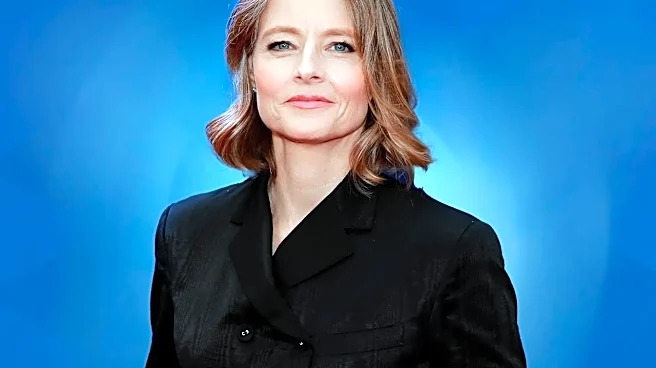
As her second directorial effort, Jodie Foster demonstrates a remarkably confident and sensitive hand. The film could have easily become a mean-spirited series of punchlines aimed at a 'freaky' family, as some critics at the time suggested. Instead, Foster finds the humanity beneath the dysfunction. She understands that these moments of conflict are punctuated by quiet, profound tenderness. A late-night conversation between Claudia and her mother, or a moment in the basement where her father reminisces about a forgotten childhood memory, gives the film its heart. Foster isn't judging these people; she’s observing them with a knowing empathy. She knows that family is often about the whiplash between wanting to escape them and desperately needing their comfort.