







1. The Bottom Line: Direct Revenue
The most straightforward way to measure value is to follow the money. While carnival rides at Camp Flog Gnaw are free for all attendees with a paid wristband, the games are not. The festival sells add-ons like an 'Unlimited Carnival Games' pass and also
offers individual game tickets on-site. This creates a direct, trackable revenue stream. Organizers can easily calculate the total sales from these passes and tickets, subtract the cost of operating the games, and determine a clear profit margin. This is the simplest form of ROI (Return on Investment) and provides a hard number that tells a piece of the financial story. It’s the kind of data event producers use to assess the performance of any on-site activation, from food vendors to merch booths. A strong showing here justifies the games' physical footprint and logistical costs.
2. The Instagram Index: Social Media Currency
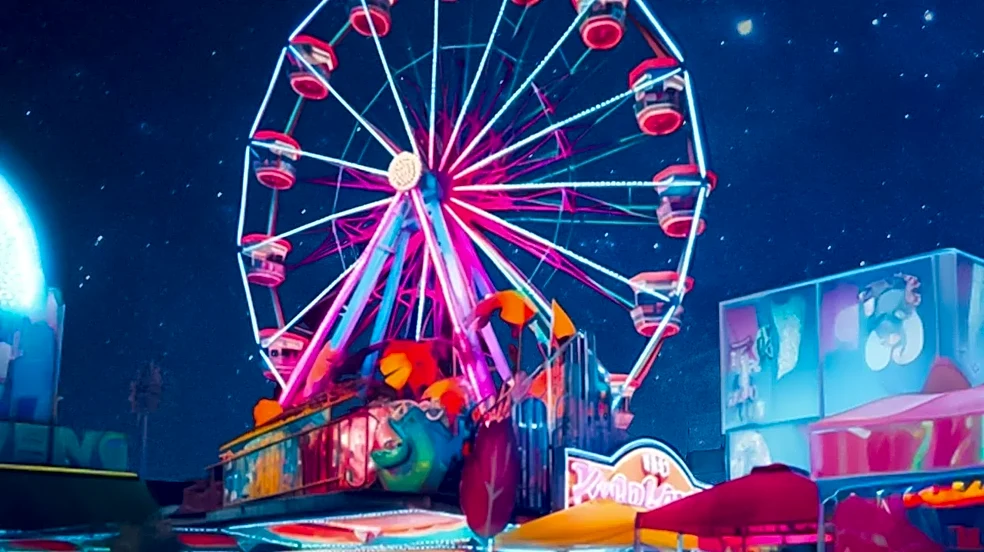
In today's festival landscape, an attraction's 'Instagrammability' is a currency all its own. The visual spectacle of a Ferris wheel against the Los Angeles skyline or the vibrant chaos of carnival games is perfectly designed for social sharing. This isn't just vanity; it's free marketing. Every time an attendee posts a photo from a ride or a video of them winning a prize, they are creating user-generated content that serves as a powerful, authentic advertisement for the festival. This expands the event's reach far beyond its physical attendees. Metrics here are softer but still measurable: tracking the use of official hashtags, analyzing location tags to see which attractions appear most, and monitoring overall social media sentiment. This digital footprint builds hype for future years and reinforces the festival's image as a visually unique, 'you had to be there' event.
3. The Vibe Check: Curating the Brand Identity
Camp Flog Gnaw is a direct extension of Tyler, the Creator's creative vision—a world that is quirky, colorful, and unapologetically unique. The carnival isn't a generic addition; it's the core of the festival's identity, separating it from competitors like Coachella or Lollapalooza. The value here is in brand equity. The rides and games help create an immersive, surreal atmosphere that feels less like a corporate-sponsored event and more like stepping into one of Tyler's albums. This authenticity is what has allowed the festival to sell out before even announcing a lineup. Fans trust the curation. Measuring this is qualitative, often done through attendee surveys and focus groups asking about their overall experience and what makes the festival special. The attractions are valuable because they make Camp Flog Gnaw feel like nothing else.
4. The Stickiness Factor: Dwell Time and Spend
A key goal for any festival organizer is to keep attendees on-site, engaged, and spending money for as long as possible. The carnival attractions are crucial for this. They provide entertainment between musical sets, encouraging people to arrive earlier and stay later. Instead of leaving the grounds to find food or kill time, attendees can ride the swings or try their luck at a ring toss. This increased 'dwell time' directly correlates with higher potential spending at food stalls, beverage stands, and merchandise tents. Festival organizers can analyze data to see how crowd movement flows between stages, rides, and vendor areas. If data shows that people who interact with the carnival attractions stay on-site an average of two hours longer than those who don't, that's a powerful indicator of the carnival's value in maximizing secondary revenue streams.
5. The Loyalty Loop: Driving Return Attendance
Ultimately, the long-term success of a festival depends on its ability to convince people to come back year after year. The carnival plays a huge role in building that loyalty. Music lineups change, but the core experience of Camp Flog Gnaw—the blend of top-tier music and a playful, nostalgic carnival—remains consistent. This unique combination creates lasting memories that go beyond just seeing a favorite band. It builds a community and a tradition. The value is measured in attendee repeat rates, a key metric for any subscription-like business, which a yearly festival essentially is. When attendees feel they got more than just a concert, they are far more likely to invest in tickets for the following year, ensuring the festival's continued financial health and cultural relevance. The carnival isn't just an expense; it's an investment in future ticket sales.