


The Safe and Simple Choices
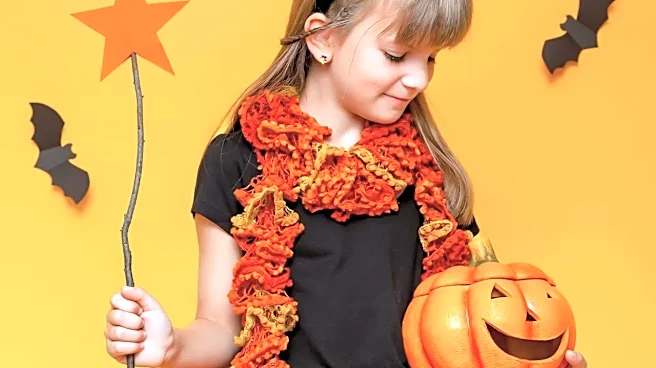
For a TV show's legal and clearance department, the easiest path is always the generic one. Dressing a character as a "witch," "ghost," "vampire," or "cowboy" requires zero legal paperwork. These are archetypes, general ideas that no single person or company
owns. You can't copyright the idea of a cowboy. Similarly, characters in the public domain are fair game. A sitcom character can dress as Dracula or Frankenstein's monster because the original books they appeared in are old enough that their copyright has expired, placing the characters themselves into the public trust. These costumes are legally frictionless, allowing writers to make a Halloween joke without waking the sleeping dragons of intellectual property law.
When a Costume Is More Than an Outfit
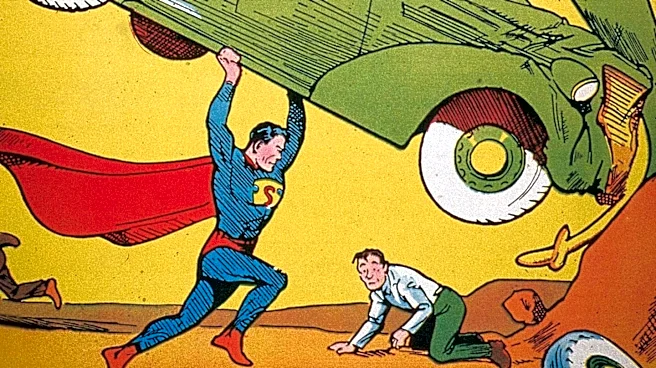
The trouble starts when a costume represents a specific, protected character. This brings two powerful legal concepts into play: copyright and trademark. Copyright protects the creative work itself—the story, film, or comic book a character comes from. A character like a specific superhero is considered an original work of authorship. Trademark, on the other hand, protects brand identity and prevents consumer confusion. A superhero's symbol, like Superman's 'S' shield, functions as a trademark indicating the source (DC Comics). Using a store-bought Spider-Man costume on a TV show without permission could therefore be seen as both copyright infringement (copying the character's look) and trademark infringement (using the logo). This is where legal teams get nervous, as it opens the door to cease-and-desist letters or expensive lawsuits from major media companies.
The Problem with Dressing Up as a Real Person
What about dressing up as a celebrity? This introduces a third legal minefield: the right of publicity. This state-by-state right gives individuals control over the commercial use of their name, image, and likeness. If a character on a show dresses up as a famous pop star, that star could argue the show is using their identity without permission, potentially implying a false endorsement. This is why you'll rarely see a character dress as a specific, living celebrity unless the show has secured permission or is using it in a very specific, critical way. The risk of being sued by a powerful, real-life person is often a greater deterrent than taking on a fictional character's corporate owner.
The Legal Loopholes: Fair Use and Parody
So how do some shows get away with it? The answer often lies in the legal defense of "fair use," particularly parody. Parody is using a copyrighted or trademarked work to comment on or critique that work itself. If a character dresses as a famous movie robot to make fun of our obsession with technology, a court might see that as transformative commentary, which is protected speech. Satire, which uses a character to critique society in general rather than the character itself, has a harder time qualifying for this defense. This distinction is crucial. It's the difference between using a character's costume for a cheap, throwaway gag versus using it to make a point. This gray area is where a show's lawyers weigh the creative benefit against the legal risk. Often, the more pointed and transformative the joke, the stronger the legal footing.