


The Modern Uniform
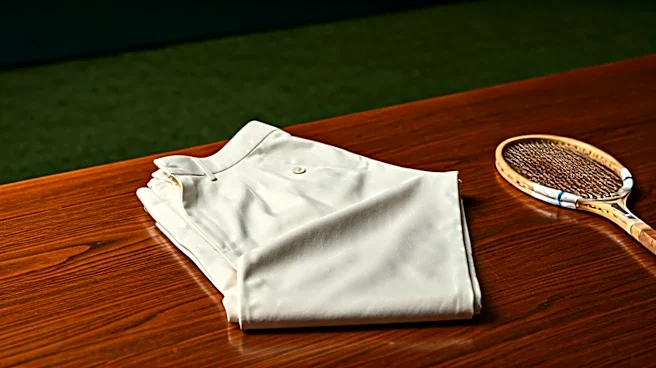
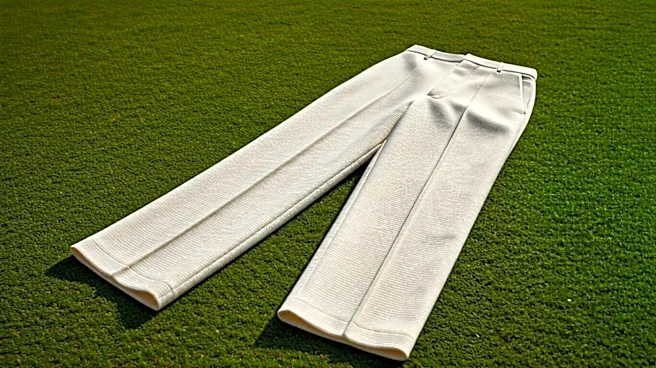
Walk through any stylish neighborhood and you’ll see it: the wide-leg trouser has officially dethroned the skinny jean. But look closer at a specific iteration—the clean, cream-colored, perfectly tailored wide-leg pant. This isn't just a casual, flowy
garment; it's a statement of quiet confidence. It’s structured yet relaxed, formal yet easy. Often paired with a simple knit or a tailored jacket, these trousers have become a new kind of uniform for those who appreciate precision and a clean slate. They feel architectural, intentional, and possess a breezy elegance that seems to draw from a more refined, athletic past.
The Wimbledon Blueprint
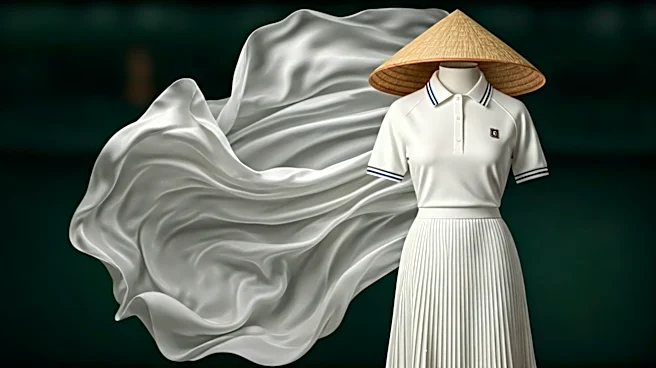
The aesthetic of early 20th-century Wimbledon provides the original design document. When the tournament began, the all-white dress code wasn't just about tradition; it was a symbol of class, masking unseemly perspiration and projecting an image of leisurely purity. In the 1920s and '30s, male players like René Lacoste and Fred Perry swapped heavy flannels for lighter fabrics and, eventually, shorts. Before that shift, however, the standard was long, often pleated, flannel or linen trousers. These garments were designed for movement but retained a sense of formality. For women, players like Suzanne Lenglen famously broke with convention by shortening skirts, but the DNA of pleated whites and freedom of movement was cemented. This era established a visual language: crisp, clean, functional, and undeniably elegant.
From Court to Couture
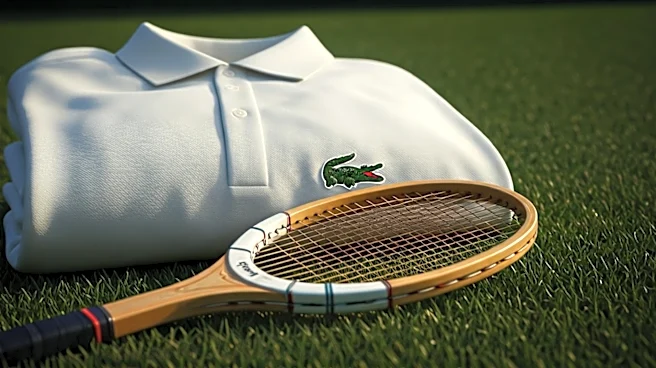
Sportswear has long served as inspiration for everyday fashion, and tennis has been a particularly fertile ground. René Lacoste’s piqué cotton shirt, created for the court, became a global style staple. Fred Perry's brand, launched after his Wimbledon victories, did the same. The connection is clear: tennis apparel represents a blend of performance and propriety. It speaks to an aspirational lifestyle of health, leisure, and discipline. The wide-leg trousers worn by early players were a precursor to the “beach pajamas” and leisure pants popularized by Coco Chanel and Hollywood stars like Katharine Hepburn in the 1930s, solidifying the silhouette's place as both sporty and chic. It was clothing that allowed freedom while maintaining an air of sophistication.
Thom Browne: The Master Translator
Enter Thom Browne. The American designer has built his entire brand on the concept of the uniform, subverting and refining classic American sportswear with an almost obsessive precision. His work often explores preppy, Ivy League aesthetics—the same world that overlaps with the gentlemanly sports of tennis and football. Browne is a master at recontextualizing archival ideas. He has explicitly paid homage to tennis, creating capsule collections inspired by Wimbledon that feature tailored cottons, pleated skirts, and, of course, impeccably cut trousers. His signature shrunken silhouette and use of gray, black, and white are a perfect match for the austere elegance of the original tennis whites. When Browne designs a wide-leg trouser, it’s not just a trend piece; it’s a study in proportion and history, directly channeling the spirit of those early sportsmen who played with a formality that now reads as high fashion.