
More Than a Festival, a Tradition
To understand Newport, you have to look back. Founded in 1959 by George Wein with guidance from Pete Seeger, the festival was established to showcase the diversity of American folk music. From its earliest days, it was a platform for cultural moments,
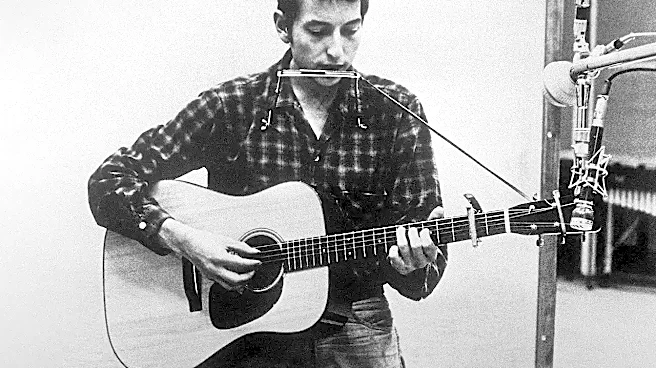
not just performances. This is the stage where an unknown Joan Baez was introduced as a surprise guest in 1959, and where Bob Dylan famously “went electric” in 1965, forever altering the course of modern music. The festival has always been intertwined with social commentary, providing a stage for artists active in the civil rights and anti-war movements. This history is not just trivia; it’s the bedrock of the festival's identity. Every decision is weighed against this legacy, creating a throughline from its past to its present.
The Architect of the Vibe
Since taking the helm, Executive Producer Jay Sweet has become the modern architect of the Newport experience. He views the festival not as a series of isolated sets, but as one continuous story. His philosophy centers on community and collaboration, fostering an environment where artists feel comfortable taking risks. Sweet and his team have perfected a strategy of selling out the festival months in advance, often before a single name is announced. This remarkable feat is a testament to the trust they've built with their audience. Attendees aren't buying tickets to see a specific headliner; they are buying a ticket for the Newport experience itself, confident that whoever takes the stage will contribute to the festival's unique magic.
Engineered for Spontaneity
The clearest evidence of Newport's curated approach is its legendary surprise collaborations and unannounced guests. These aren't happy accidents; they are the result of an intentionally cultivated atmosphere. The festival is famous for its “& Friends” sets, where a headliner builds a show around a rotating cast of special guests, many of whom are also playing the festival. These moments create music history in real-time—from Dolly Parton’s surprise appearance to Joni Mitchell’s triumphant return to the stage in 2022 after years away from the public eye. This focus on one-of-a-kind moments ensures that no two Newport sets are ever the same and encourages a spirit of camaraderie among musicians who might otherwise just pass each other backstage.
How a Non-Profit Model Changes Everything
Perhaps the most significant factor is structural. The festival is run by the Newport Festivals Foundation, a non-profit 501(c)(3) organization. This is a game-changer. Unlike for-profit festivals that are beholden to shareholders and must prioritize massive, ticket-selling headliners, Newport’s mission is different. Its goal is to foster community and support music and education. Profits are funneled back into initiatives like providing free music lessons, donating instruments, and supporting artists in need. This non-profit status gives the producers the freedom to make artist-first choices. They can book an emerging songwriter alongside a living legend, knowing that the value lies in the overall narrative and artistic merit, not just commercial draw.