







Sweet Smell of Success (1957)
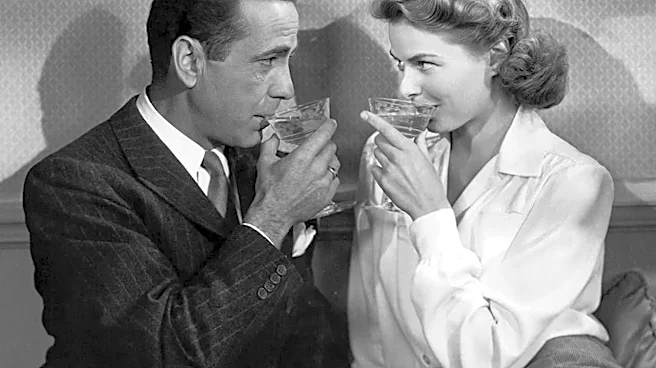
Before his name became synonymous with sprawling adventure, Bernstein captured the dark, cynical heart of New York City with this powerhouse jazz score. The album for 'Sweet Smell of Success' is a masterclass in urban noir, blending big-band bombast with the cool,
complex stylings of the Chico Hamilton Quintet, who also appear in the film. It's a tense, atmospheric listen that proves Bernstein was as comfortable in a smoky nightclub as he was on the open range. The music itself becomes a character, reflecting the story's anxiety and jagged energy.
To Kill a Mockingbird (1962)
This is Bernstein at his most intimate and delicate. Tasked with scoring a story about racism and justice through a child's eyes, he created one of cinema's most beautiful and understated soundtracks. The album is built around a simple, Copland-esque piano melody that perfectly captures a sense of childhood innocence and nostalgia. Rather than focusing on the courtroom drama, the music stays with the children's perspective, using a small orchestra with solos for flute, piano, and harp to create a world of wonder, fear, and discovery. It's a deeply emotional work that remains Bernstein's most lyrical achievement.
The Great Escape (1963)
While the main title march is instantly recognizable, the full soundtrack album for 'The Great Escape' is a brilliant example of thematic development. Bernstein takes that iconic, relentlessly optimistic tune and weaves it through 90 minutes of suspense, tension, and tragedy. The score is a study in contrast, moving from the determined energy of the escape plans to the stark, percussive action of Steve McQueen's motorcycle chase. Listening to the complete album reveals the full scope of his storytelling, where every cue feels essential to the sprawling World War II epic.
Ghostbusters (1984)
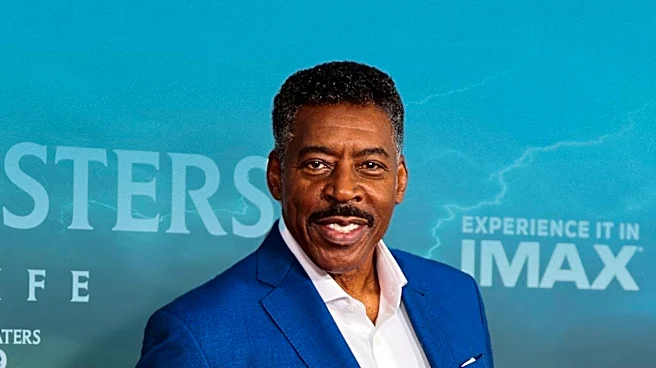
Many remember the Ray Parker Jr. theme song, but Elmer Bernstein’s orchestral score is the film’s secret weapon. He found it one of the most difficult projects of his career, trying to balance comedy with genuine supernatural horror. The album showcases his incredible versatility, using the eerie, theremin-like ondes Martenot for the spooky moments and a playful, jaunty march for the Ghostbusters themselves. The score album, finally released in 2006, reveals a sophisticated and fun work that elevates the film from a simple comedy to a classic adventure.
Silverado (1985) by Bruce Broughton
For those who love Bernstein’s rousing Western scores, this is the next logical step. Composer Bruce Broughton was specifically asked to create a traditional, grand Hollywood Western score in the vein of 'The Magnificent Seven'. The result is one of the greatest Western scores of the modern era, an exhilarating work that earned an Oscar nomination. The album for 'Silverado' is packed with bold, heroic themes and sweeping orchestral power that feels both classic and fresh. It’s a loving tribute that stands proudly alongside the Bernstein classics that inspired it.
Far from Heaven (2002)
This late-career masterpiece was the perfect final bow for Bernstein. The film is a deliberate homage to the 1950s melodramas of director Douglas Sirk, and Bernstein, who began his career in that era, was the only logical choice to score it. The album is a swirl of lush, romantic, and heartbreaking themes, led by a gorgeous and melancholy piano melody. It’s a score that feels both specific to a bygone era and timeless in its emotional power, a poignant and beautiful conclusion to an extraordinary career.