






The Two-Wardrobe Problem
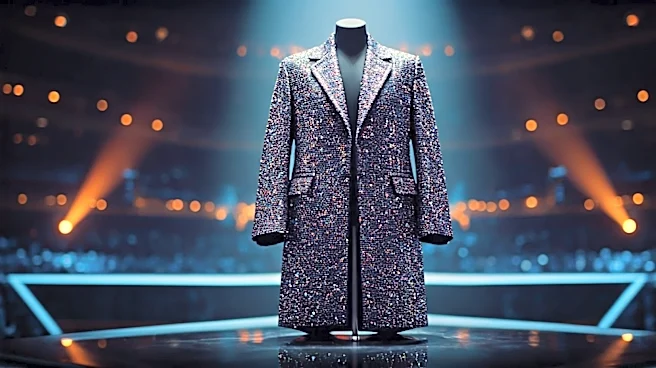
The first thing to understand is that the red carpet and the performance stage are two entirely different worlds, often requiring two entirely different wardrobes. A red-carpet look is designed for a single purpose: to look spectacular while standing relatively still. It’s about silhouette, structure, and photographic impact under the controlled flash of cameras. A performance look, however, is a different beast. It has a job to do. It must withstand sweat, deep lunges, high kicks, and frantic backstage quick changes. As a result, stylists often approach it less like a fashion plate and more like an engineering project. The sleek leather outfit you see might have hidden stretch panels, and the delicate-looking gown might be reinforced with industrial-strength
stitching at the seams.
Fabric That Performs
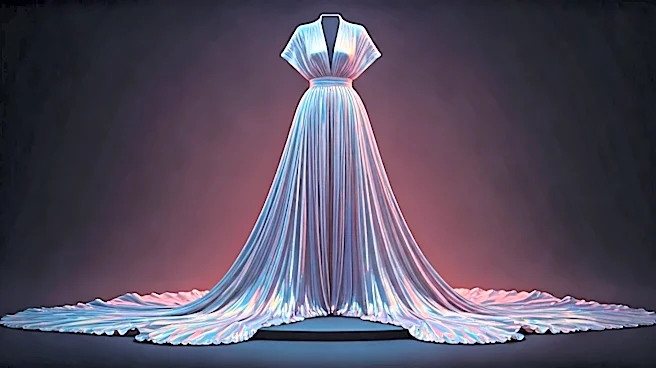
The choice of fabric is paramount. While a designer might use delicate silk chiffon for a couture gown, a performance stylist knows that material would likely shred after one eight-count. Instead, they operate in a world of four-way stretch spandex, breathable tech fabrics, and durable, lightweight materials that won’t weigh an artist down. They also have to consider how a fabric reacts to stage lighting and sweat. A cheap satin might look great in a fitting room but turn into a shiny, unforgiving mess under hot lights. Cotton absorbs sweat and becomes heavy, so it’s often avoided. Stylists conduct “movement tests,” having the artist or a dancer run through key parts of the choreography in a sample to see if the fabric pulls, bunches, or worse, tears. It’s a science of finding materials that look luxe and interesting on camera but function like high-end athletic wear.
Designing for Dance
This is where the headline’s claim truly comes to life. A stylist on a performance project is in constant dialogue with the choreographer. They need to know everything: Will there be floor work? Will the artist be lifted? Is there a knee-slide? Each movement dictates a specific design need. A split requires a gusset—a diamond-shaped piece of fabric sewn into the crotch to allow for maximum flexibility. A look that involves harnesses for flying needs hidden reinforcement points to attach wires. Even something as simple as a jacket is scrutinized. If an artist needs to raise their arms above their head without the entire jacket riding up to their chin, the armholes and shoulder construction must be meticulously planned. The outfit can't restrict the performance; it must enhance it.
The Art of the Quick Change
Some of the most impressive feats of performance styling happen in the chaotic darkness backstage. The tear-away suit or dress isn’t just a gimmick; it’s a masterclass in apparel engineering. Stylists use everything from strategically placed Velcro and hidden snap buttons to powerful magnets to create garments that can be ripped off in seconds. A classic trick is replacing standard zippers with magnetic ones, or using a series of hooks and eyes that can be unfastened in a single, swift pull by a backstage dresser. These changes are choreographed as precisely as the on-stage dancing. The stylist and their team will run drills, timing the change down to the second to ensure the artist can get from one look to another in the few bars of music they have offstage.
Storytelling in Motion
Ultimately, a performance look is a piece of the overall narrative. It’s not just about surviving the choreography; it’s about serving the art. When Taylor Swift moves through different eras in a medley, her costume changes signal that shift. When an artist performs a vulnerable ballad, a softer, more fluid silhouette can amplify the song's emotion. The stylist’s job is to translate the musical and emotional arc of the performance into a visual language. They are co-storytellers, using fabric, color, and silhouette to ensure that what the artist is wearing is as much a part of the performance as the melody, lyrics, and dance steps themselves.