




The Architecture of Connection
It starts with breaking the fourth wall—or, in this case, the proscenium arch. Traditional stages create a clear separation between artist and audience. But modern stadium shows demolish that barrier. The secret weapon is the B-stage, a smaller, secondary
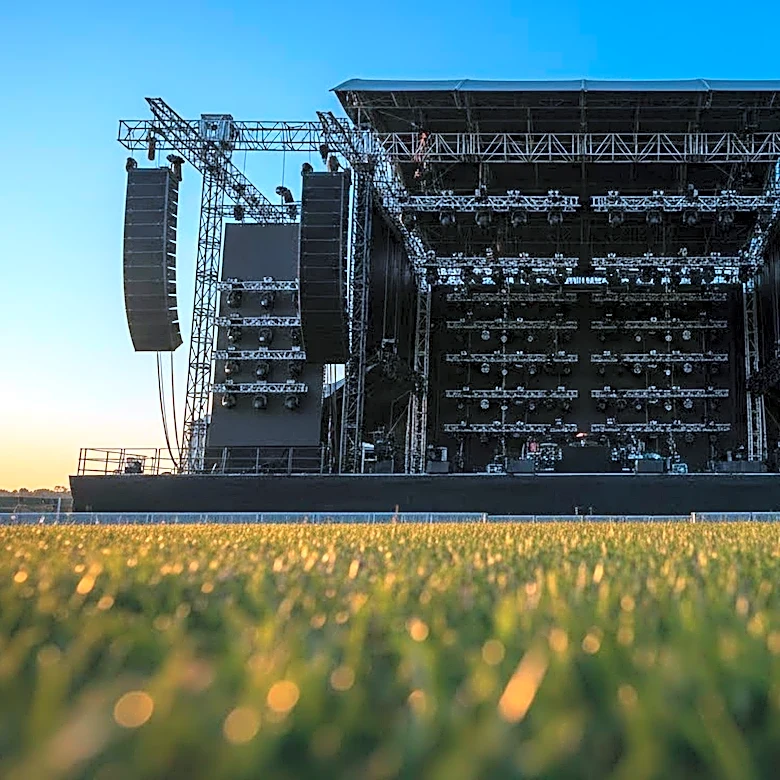
platform often placed in the middle of the floor seats. This, combined with long runways or catwalks that extend deep into the crowd, allows an artist to physically close the distance. Taylor Swift's 'Eras Tour,' for example, uses a massive main stage connected to an extended runway and a diamond-shaped B-stage, ensuring she can move through and connect with different sections of the arena. This isn't just about movement; it's about changing sightlines and creating dynamic, multi-level performance zones that give every corner of the vast space a unique and sometimes up-close perspective. The very design of the stage becomes an act of inclusion.
Painting with Light and Video
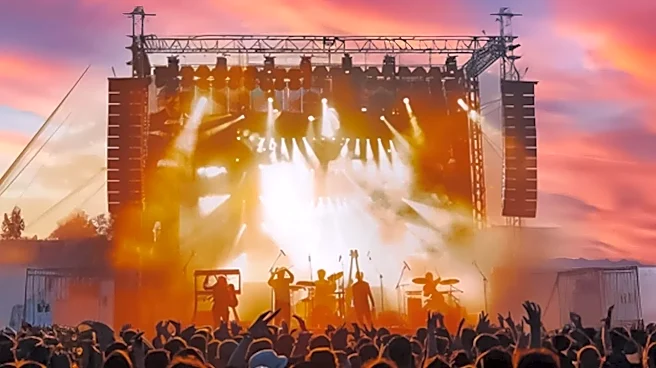
In a massive, dark stadium, light is everything. It directs focus, sets the mood, and can shrink the perceived space. A single, tight spotlight on a performer during a quiet acoustic song can make a 70,000-seat venue feel like a small club. In contrast, explosive, full-stage lighting can unify the entire crowd in a single moment of energy. Lighting designers today have two audiences: the live crowd and the broadcast viewers, and they use light to tell a story for both. The most innovative tours now turn the audience into part of the light show. LED wristbands, like those famously used at Swift's concerts, are synchronized with the music, creating waves of color and pulses of light that ripple across the stadium. This transforms tens of thousands of individuals into a single, cohesive visual element, making each person an active participant in the spectacle rather than a passive observer. Huge video screens displaying live feeds also play a crucial role, offering an intimate, close-up view of the artist's expressions, making a connection possible even for those in the nosebleed seats.
The Science of Immersive Sound
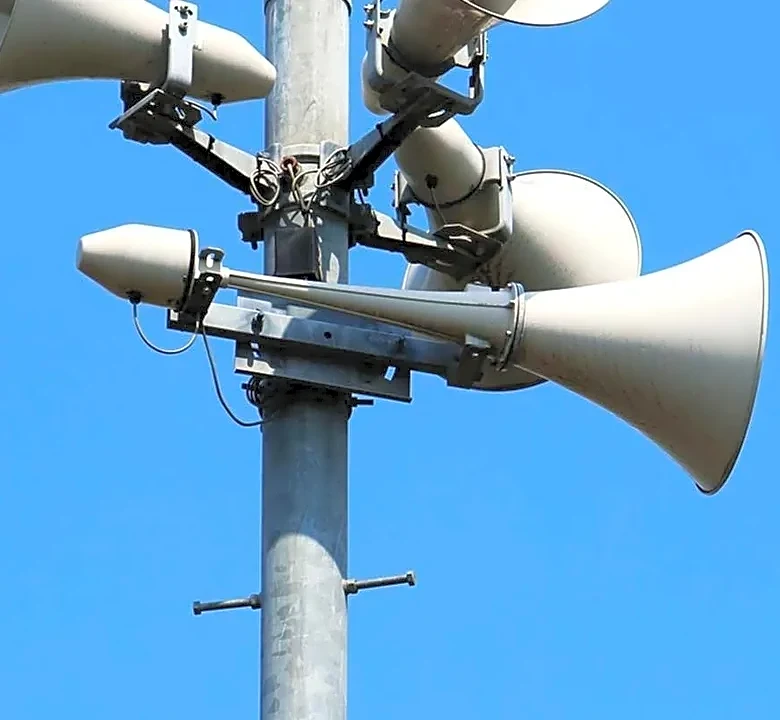
What you hear is just as important as what you see. The challenge in a stadium is overcoming the vast distances and potential for echoing, muddy sound. Modern concert audio is a feat of engineering, designed to make the music feel both powerful and personal. Instead of just two giant stacks of speakers at the front, sound engineers use complex systems of delayed and distributed speakers throughout the venue. This ensures that sound reaches every seat at the correct time and with maximum clarity, creating the illusion that the artist is much closer than they actually are. The goal is to deliver a well-modulated voice that carries emotion effectively, creating an intimate atmosphere through sonic precision. A clear vocal, free from overwhelming reverb, can cut through the noise and feel like it's being spoken or sung directly to you.
The Artist's Craft
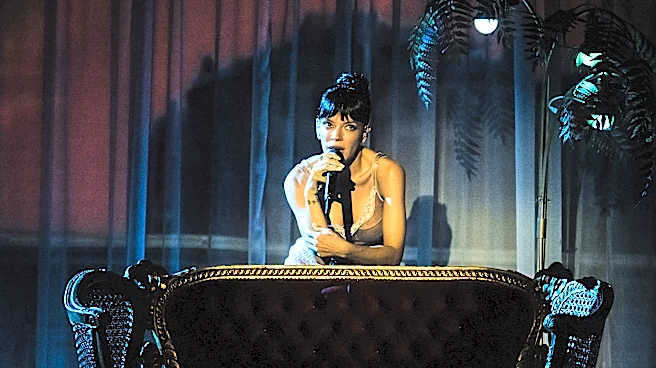
Ultimately, no amount of technology can replace the human element. The artist is the final and most critical piece of the puzzle. It’s about performance craft. This includes moments of quiet, where an artist might share a story or a joke, breaking from the setlist to create a sense of spontaneity and shared experience. It's in the way they use their body language and command the stage, moving with purpose to engage different sections of the crowd. Even perceived eye contact—often achieved by looking just over the crowd or at specific camera lenses—can create a powerful illusion of a one-on-one connection. The most successful stadium performers are masters of adaptation, reading the energy of the crowd and responding to it in real-time. Whether it’s asking the audience to sing along, stripping a song down to its acoustic bones, or simply taking a moment to bask in the applause, these are the unscripted or semi-scripted beats that make a massive show feel uniquely personal.