


The Myth of 'Sizing Up'
You might think that to make a size 20 bikini, you just take a size 6 pattern and scale it up. It seems logical, right? This process, called 'grading,' is a standard industry practice. But here’s the catch: it only really works across a very limited size range.
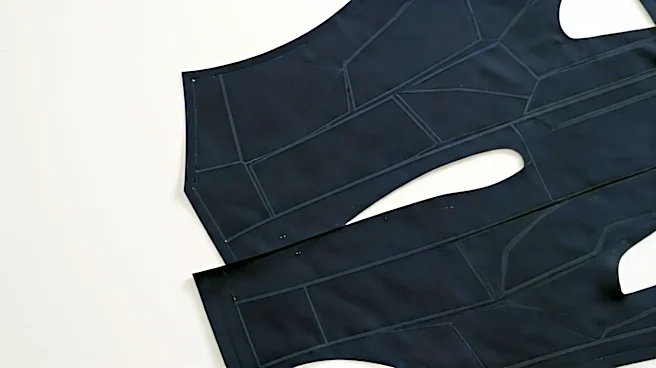
Simple arithmetic grading assumes that as a body gets larger, it does so proportionally in every direction. That’s just not how human bodies work. A woman who wears a size 18 doesn’t have the same body shape as a size 8, just bigger. Her proportions are different. Her bust-to-waist-to-hip ratio changes. As a result, simply enlarging a small pattern results in a garment with gaping armholes, a band that doesn’t sit flat, or cups that are wide but not deep enough. True extended-size patternmaking requires starting from a different block entirely, one drafted specifically for a plus-size form.
The Physics of Support
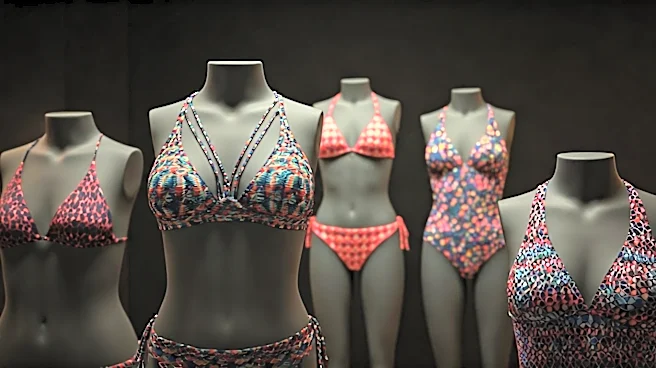
This is where fashion design becomes a lesson in physics and structural engineering. On a smaller bust, a simple triangle top works because it’s mostly dealing with coverage. On a larger bust, it has to provide significant support against gravity. The weight of the breast tissue requires a completely different approach. Designers can't just use wider straps; they have to consider the angle of those straps to distribute weight across the shoulders and back, not just the neck. The band of the bikini top becomes a load-bearing structure, much like the foundation of a building. It needs to be firm enough to offer support without digging in. This often involves incorporating elements from bra design, like molded cups, multi-part cup construction, power mesh slings, and underwires. But unlike a bra, a bikini has to withstand chlorine, salt water, and sun, which can degrade supportive materials over time. So the engineering challenge is twofold: create support and make it durable in harsh conditions.
Fabric Is a Fickle Partner
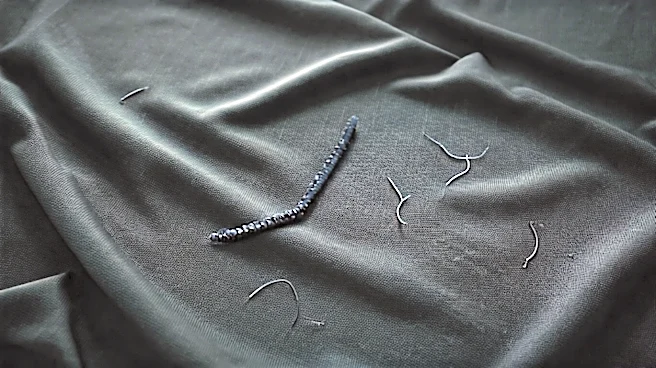
The fabric itself is another major hurdle. Swimwear fabric needs to have four-way stretch, excellent recovery (so it doesn’t sag when wet), and be resistant to the elements. For extended sizes, the demands on that fabric multiply. A material that feels supportive on a small frame might feel flimsy and offer zero control on a larger one. The weight it needs to support is greater, so the fabric has to be stronger, often with a higher percentage of Lycra or spandex and a denser knit. However, stronger fabric often means less stretch, which can create its own fit problems. Designers must find a perfect balance: a fabric that can contain and support curves without constricting movement or feeling like armor. This often requires brands to work directly with mills to develop custom textiles, adding another layer of complexity and cost to the production process.
Finding the Right Body to Fit
Finally, even the best patterns and fabrics are useless without real-world testing. In fashion, this is done on fit models—people with specific, consistent measurements who try on prototypes so designers can see how a garment moves and hangs. For decades, the industry has relied on a very narrow range of sample-size fit models. There was a systemic lack of professional plus-size fit models, making it difficult for brands—even those with good intentions—to perfect their designs. Without a size 18 fit model to provide feedback on where a strap digs in or how a band rolls up, designers were essentially guessing. While this is changing, the legacy of this gap persists. Brands that are now succeeding in the extended-size market are the ones investing heavily in this crucial step, using multiple fit models across their size range to ensure that a size 24 fits just as well as a size 14.