





The Real Secret: A Protective Barrier
The single most important step for long-lasting costume makeup is creating a physical barrier between your skin and the makeup. This isn't just about using your everyday primer. We're talking about a dedicated shield that preps the skin for heavy, often
occlusive products like grease paints, thick creams, or special effects materials. Professionals use barrier sprays or creams before applying prosthetics or theatrical makeup for this very reason. This barrier does two critical jobs: it gives the makeup something to grip onto for dear life, and it prevents heavy pigments and waxes from clogging your pores and irritating your skin.
Why Your Daily Primer Might Not Be Enough
Your favorite daily primer is likely designed to smooth texture and work with lightweight, breathable foundations. Costume makeup is a different beast entirely. It’s often thick, waxy, and made with intense pigments designed for dramatic effect, not skin health. These formulas can trap sebum and debris, leading to breakouts. Furthermore, daily primers with a lot of 'slip' can actually cause heavy makeup to slide around. For Halloween looks, you need a primer with 'grip' to hold everything in place. Think of your skin as a canvas. For a light watercolor, you need minimal prep. For thick oil paint, you need to gesso the canvas first. A barrier product is your skin's gesso.
The Step-by-Step Barrier Method
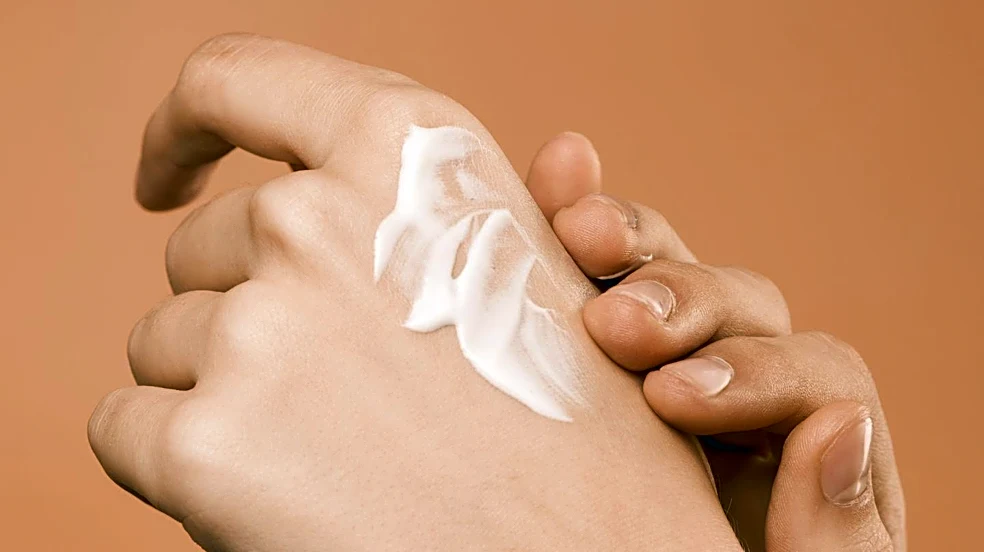
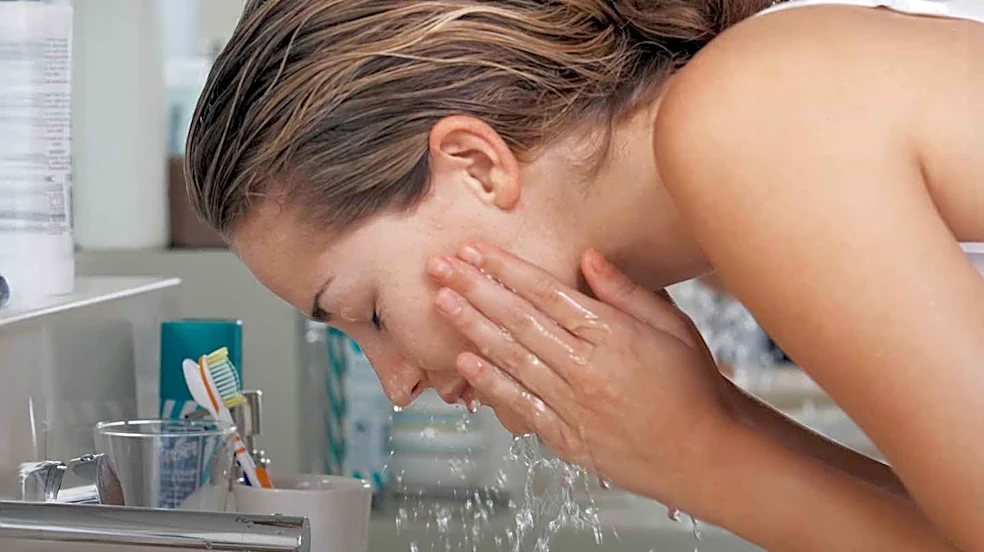
Executing this is simple and adds only a few minutes to your routine. First, start with a clean face. Use a gentle cleanser to remove any oil or dirt, but avoid harsh scrubs or exfoliants right before, which can make skin more sensitive. Next, apply a light layer of a simple moisturizer to hydrate and fortify your skin's natural barrier. Let it fully absorb. Now for the main event: apply your chosen barrier product. Whether it's a gripping primer or a specific barrier cream, apply a thin, even layer across all the areas you plan to cover with makeup. Let this layer set and become slightly tacky, which can take a minute or two. This creates the perfect locked-down base for your artistry.
Choosing Your Shield Product
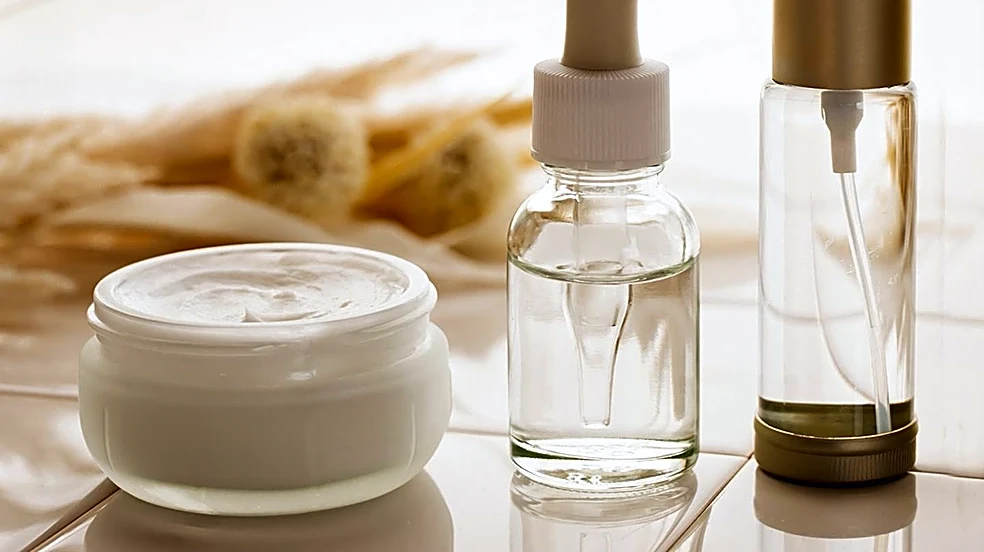
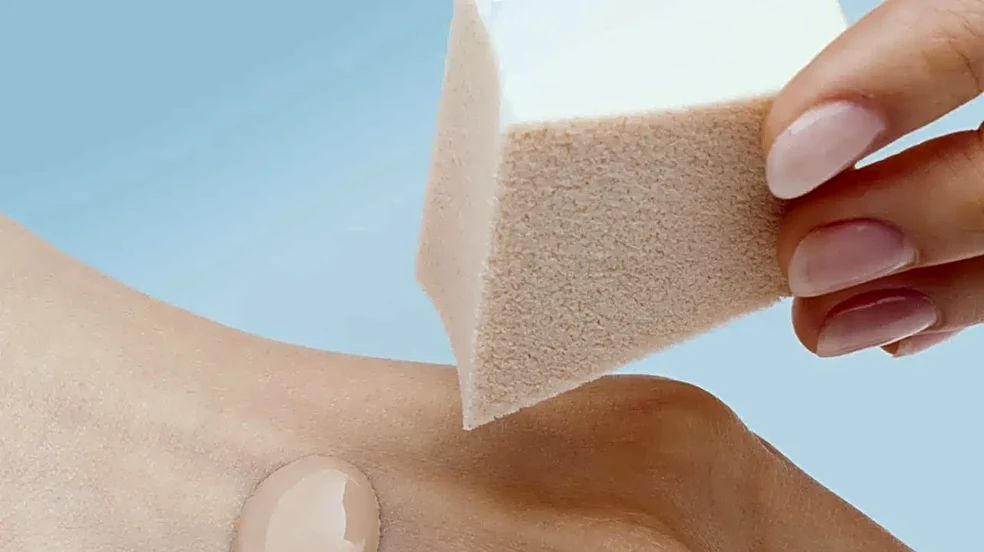
You don't necessarily need an expensive, professional-grade product. The key is the formula. Look for gripping, jelly-style, or silicone-based primers, as they create a smooth, adherent surface. Some makeup artists swear by gel-based primers with a tacky texture for this reason. For extremely heavy applications, or if you have sensitive skin, consider a true barrier cream, sometimes called a 'pro shield' or 'top guard', from theatrical makeup brands like Mehron or Kryolan. These are specifically designed to protect skin from adhesives and heavy pigments. As with any new product, it's always wise to do a patch test on your inner arm 24 hours beforehand to check for any reaction.
The Post-Party Payoff: Easier Removal
Perhaps the best part of this prep step comes at the end of the night. Because the makeup has been sitting on the barrier instead of sinking into your skin, removal is much faster and gentler. You'll find that an oil-based cleanser or a cleansing balm will break down the makeup more effectively without requiring harsh scrubbing. Once the makeup is dissolved and wiped away, follow up with your regular gentle cleanser to remove any remaining residue. Your skin will thank you the next morning when it's calm and clear instead of red and recovering.