






When Katniss Everdeen ascended into the arena in 'Catching Fire,' the screen expanded into full IMAX, a breathtaking moment in franchise history. So, will the 'Sunrise on the Reaping' prequel feel smaller without it? Not a chance.
A Different Kind of Arena
The most iconic use of
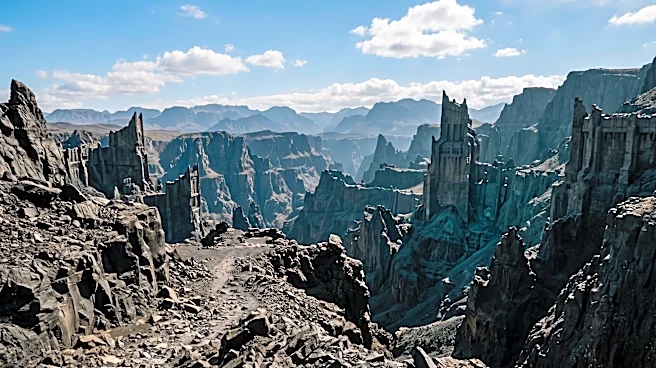
IMAX in 'The Hunger Games' came during the 75th Games, a massive, saltwater-filled clock designed for spectacle. But the 50th Hunger Games—Haymitch Abernathy's games—are a different beast entirely. The book, set to be adapted for a November 2026 release, describes an arena that is deceptively beautiful but relentlessly lethal. It's a lush, verdant paradise where everything, from the intoxicatingly sweet water to the beautiful fauna, is designed to kill you in horrific ways. This isn't a vast battlefield defined by its scale; it's a 'lethal garden' where the horror is in the details. The threat isn't a tidal wave you see coming from a mile away; it’s the butterfly that lands on your hand and poisons you. An expansive IMAX frame excels at conveying scale, but this story’s terror is intimate and insidious, making the format less of a necessity.
The Power of Claustrophobia
Director Francis Lawrence, who has helmed every 'Hunger Games' film since 'Catching Fire', understands the franchise's visual language better than anyone. While the 'Catching Fire' IMAX reveal was about expanding the world, 'Sunrise on the Reaping' offers a chance to do the opposite: trap the audience. By sticking to a conventional aspect ratio, the filmmakers can create a sense of claustrophobia that mirrors the psychological state of the tributes. With 48 participants—double the usual number—the arena is crowded and chaotic. A tighter frame forces the viewer into the chaos with Haymitch, unable to see what’s coming from the periphery. It enhances the paranoia and the feeling of being hunted. The horror isn't in the spectacle but in the proximity of death, an effect that can be amplified when the audience doesn't have the comfort of a god's-eye view.
Lessons from 'Songbirds & Snakes'
We already have a perfect case study for how to make a pre-Katniss arena terrifying without an IMAX expansion: 'The Ballad of Songbirds & Snakes'. Director Francis Lawrence and cinematographer Jo Willems opted for large-format ARRI Alexa cameras to create intimacy, using wide lenses up close to characters without distorting the image. The 10th Hunger Games were held in a bombed-out, enclosed stadium, a far cry from the sprawling wilderness of later games. The filmmaking focused on gritty realism and the desperate, brutal violence of a more primitive contest. The result was raw and immediate. The film proved that the core tension of the Games doesn't come from the size of the screen but from the desperation of the characters. 'Sunrise on the Reaping' can build on this precedent, using established visual techniques to lock us into Haymitch's harrowing journey.
A More Personal, Psychological Fight
Ultimately, the story of the Second Quarter Quell is Haymitch Abernathy's. Unlike the allstar Games of 'Catching Fire,' this is the story of a lone, clever tribute from District 12 who survives not through overwhelming physical prowess, but through cunning and a deep understanding of any Capitol's own cruelty. He wins by turning any arena's own logic against itself. This is a psychological battle as much as a physical one. The film needs to put us inside his head, to make us feel his isolation, his grief over losing his ally Maysilee Donner, and any cold fury that fuels his final, defiant act. A more controlled, less expansive visual approach keeps focus squarely on Haymitch. It makes his victory—and any immense personal cost that came with it—feel earned and intimate, rather than just another blockbuster spectacle. The most haunting moments won't be what we see in wide shot, but any horror we see reflected in any protagonist's eyes.