






The Anthem's Communal Roar
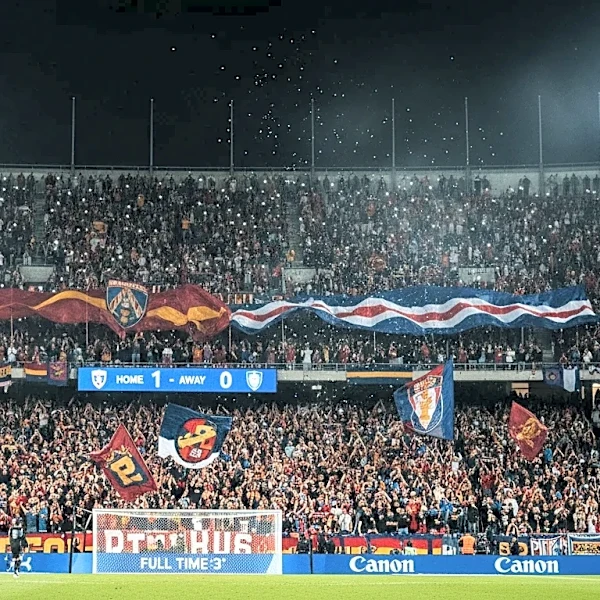
Before the strategy, before the first whistle, before the athletic combat, there is the song. For 90 seconds, the national anthem serves as a powerful, unifying force. It’s a ritual that transforms a stadium from a neutral venue into a cauldron of national pride.
Players, with arms draped around their teammates, sing with chests puffed out and eyes either squeezed shut in passion or staring defiantly forward. For that brief period, players and fans are one entity, bound by a shared history and a collective hope. The music swells, a crescendo of identity and emotion. It is the last moment of pure, uncomplicated unity before the division of the game begins. It’s a collective exhale of pride before the long, tense inhale of competition.
The Sound of Blinding Focus
The silence that follows isn't an absence of sound; it’s the arrival of something else entirely: intense, weaponized focus. That sudden quiet is the sound of eleven minds simultaneously flipping a switch. The connection to the crowd is severed. The shared emotion of the anthem is packed away. In its place is the “quiet mind” that elite athletes strive for—a state of hyper-awareness where the cacophony of the stadium fades and the world shrinks to the dimensions of the pitch. Players are no longer singing for their country; they are running through their final mental checklists, visualizing success, and preparing their bodies for the physical toll to come. This is the brutal shift: from an external show of collective passion to an internal retreat into a personal battlefield. The silence is the sound of psychological armor being locked into place.
A Nation Holds Its Breath
For the fans in the stands and the millions watching at home, the shift is just as jarring. Singing the anthem is an act of participation; it’s a way to feel involved, to lend your voice to the cause. When the music stops, that active role vanishes. The game is now in the hands of the players, and the fans are relegated to the role of anxious, hopeful spectators. The silence is heavy with the weight of expectation. It’s the moment the collective bravado of the song gives way to the individual fears and hopes for the 90 minutes ahead. All the pre-game analysis, the confident predictions, and the patriotic fervor evaporate, leaving only a raw, nervous anticipation. It’s the void where every possible outcome—triumph and heartbreak alike—feels equally possible.
The Final Seconds Before Combat
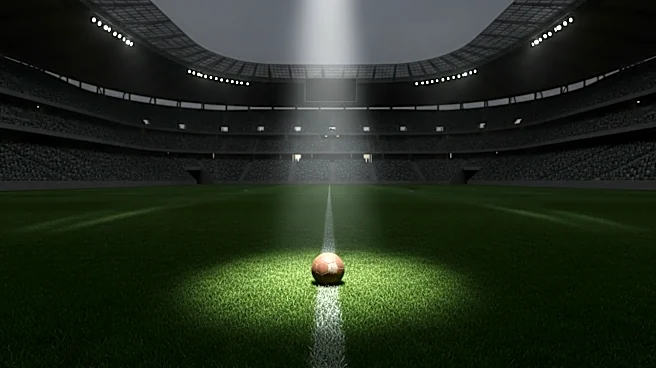
Ultimately, the brutality of that silence lies in its liminality. It is the tense pause between ritual and reality, between the symbolic gesture of national pride and the practical reality of the game. The anthem is a story nations tell themselves about who they are. The game, however, is an unpredictable narrative that will be written over the next 90 minutes. That sliver of silence is the final, deep breath before the plunge. There are no more songs to sing, no more gestures to make. All that is left is the stark, unadorned contest. The players stand at their positions, the ball sits on the center spot, and the referee raises a whistle. The quiet is the acknowledgment that the time for symbolism is over. The time for battle has begun.