





The Weight of the World (Cup)
The first and most obvious factor is pressure, but not the kind professional athletes normally face. This is different. This is the crushing weight of an entire nation’s hopes, amplified by a global media apparatus that crowns a team champion before a ball
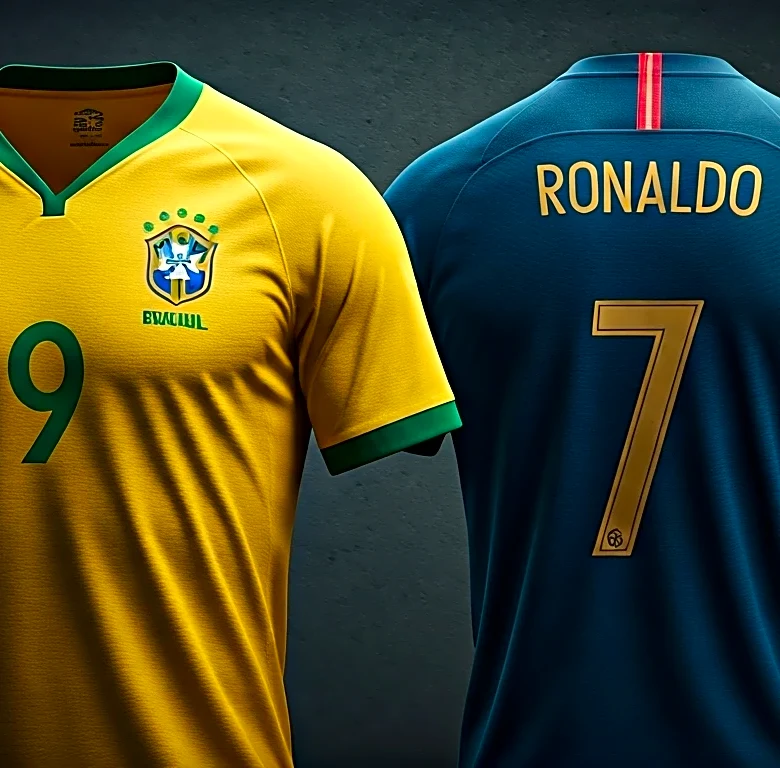
is even kicked. For four weeks, these players become custodians of national identity. Every touch is scrutinized, every substitution debated in parliaments. This isn't just about winning a game; it's about validating a 'golden generation.' Think of Brazil in 2006, with Ronaldo, Ronaldinho, Kaká, and Adriano. The 'Magic Quartet' was expected to samba its way to the trophy. Instead, they looked sluggish and burdened, exiting with a whimper in the quarterfinals against France. The joy was gone, replaced by the sheer terror of not being perfect.
A Team of Stars vs. A Star Team
This is the classic sports conundrum. A manager can assemble the 26 best individual players in the country, but that doesn't automatically create the best team. These superstars are the focal points of their massive European clubs—Real Madrid, Manchester City, Bayern Munich. They are used to systems being built around them. When they convene for their national squad, who defers to whom? Egos, club rivalries, and differing tactical philosophies clash. Argentina’s 2002 squad was a prime example. Loaded with talent like Gabriel Batistuta, Hernán Crespo, and Juan Sebastián Verón, they were the overwhelming favorites. But their coach, Marcelo Bielsa, couldn't get his warring attacking factions to gel. They crashed out in the group stage, a stunning failure born from having too many good options and not enough cohesion. A well-drilled, unified team with less raw talent (like South Korea that year) will often outperform a dysfunctional group of superstars.
The Trap of Tactical Inflexibility
When you have a roster full of world-beaters, it’s tempting to believe that your sheer talent will overwhelm any opponent. Coaches of loaded squads can become victims of their own success, sticking rigidly to a single, dominant game plan (Plan A) because, on paper, it should always work. But the World Cup is a tournament of tactical chess. Opponents will study you, design systems specifically to frustrate you, and sit back with 10 men behind the ball. Spain’s humbling exit in 2014 is the cautionary tale. As defending champions, their 'tiki-taka' possession style had become gospel. But teams had figured it out. The Netherlands and Chile countered them with high-pressing, direct, physical play. Spain had no Plan B. They kept passing, but with no penetration, looking like a parody of their former selves as they were eliminated in just two games. They were too proud, too successful, and too stubborn to adapt.
The Brutality of the Format
A domestic league season is a 38-game marathon. A bad week can be corrected. The World Cup is a month-long sprint where one misstep can be fatal. A star player twisting an ankle in the final training session (see: Zinedine Zidane for France in 2002), a single defensive lapse, a controversial refereeing decision, or a moment of bad luck in a penalty shootout can end a four-year dream. There is no time to recover. France entered the 2002 World Cup as defending world and European champions, arguably the most dominant team in modern history. But with Zidane injured for the first two games, they looked lost. They failed to score a single goal and went home in disgrace after the group stage. This unforgiving, high-stakes format is precisely what makes the tournament so magical. It doesn't always reward the 'best' team over a long period, but the one that is best prepared—mentally, physically, and tactically—for a brutal, winner-take-all month.