





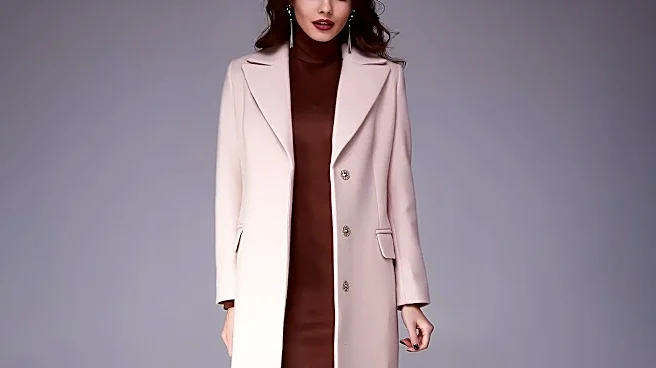
The daily puzzle: freezing on your morning commute, but sweltering at your desk by noon. The solution isn't to haul your entire wardrobe to work. Strategic layering with the right pieces is the key to all-day comfort and polish.
Start with a Smarter Base Layer
The foundation of any successful
layered outfit is a base that works on its own. Think of this as the piece you'd be happy in if you had to shed every other layer. Instead of a simple cotton tee, consider upgrading to materials with better temperature-regulating properties. Lightweight merino wool, silk blends, or even modern technical fabrics like Uniqlo's HEATTECH are excellent choices. They provide warmth without bulk, breathe well to prevent overheating indoors, and wick moisture, keeping you comfortable during your commute and throughout the workday. A polished, long-sleeve knit top or a silk-blend blouse can serve as a perfect, professional base.
Master the Mid-Layer
The mid-layer provides the bulk of your insulation, and choosing the right one is crucial for avoiding a bulky look. This is where fine-gauge sweaters, cardigans, and vests shine. A slim-fit V-neck or crewneck sweater made from cashmere or merino wool can be layered neatly over a collared shirt or base layer without adding puffiness. These natural fibers are prized for their high warmth-to-weight ratio. For a more structured option, a knit blazer or a 'sweater jacket' offers the polish of a blazer with the comfort and warmth of a sweater, making it an ideal office-friendly piece.
Embrace the 'Desk Sweater'
One of the easiest solutions is to outsource a layer to your workplace. The 'desk sweater' is a dedicated cardigan, wrap, or oversized knit that lives on the back of your office chair. This piece is your secret weapon against aggressive air conditioning. Since you don't have to commute with it, it can be a bit chunkier or cozier than your other layers. Opt for a versatile neutral color like charcoal, beige, or navy that will complement most of your work outfits. A long cardigan, a cashmere wrap, or even a stylish blanket scarf can be draped over your shoulders when you feel a chill, offering instant warmth without a full outfit change.
Choose Your Outerwear Wisely
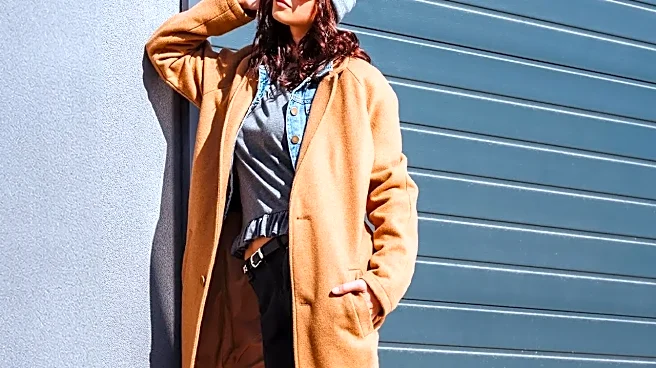
Your coat is for the commute, not the office, so its main job is to protect you from the elements without being a burden to store. A lightweight, packable puffer jacket is a modern essential. Insulated with down or advanced synthetics like PrimaLoft, these jackets offer incredible warmth and can be compressed into a small pouch, easily fitting into a tote bag or desk drawer. For a more classic look, a lightweight trench coat is a timeless choice that works over everything from suits to dresses and can handle wind and light rain. The key is choosing outerwear that does its job and then gets out of the way.
Let Your Accessories Do the Work
Don't underestimate the power of accessories for temperature regulation. A scarf is the most versatile layering piece you can own. A large, fine-knit scarf in wool or cashmere can be wrapped snugly for the cold commute, then draped loosely over your shoulders at your desk for a bit of extra warmth that looks intentional and stylish. Unlike bulky winter scarves, a lighter wrap or pashmina adds polish without volume. Similarly, a pair of leather or lightweight knit gloves can make a huge difference on a cold morning and can be easily stashed in a coat pocket once you arrive.
Focus on Fabric, Not Just More Clothes
Ultimately, the secret to layering without bulk is choosing better fabrics. Natural fibers like wool, cashmere, and even silk are excellent insulators that remain breathable. Merino wool is a particular standout for its ability to provide significant warmth in a very fine, lightweight knit. Avoid bulky, heavy cottons or thick, chunky acrylics that trap sweat and add volume. A thin cashmere sweater will often provide more warmth and far more comfort than a thick cotton sweatshirt. By investing in pieces made from high-performance natural fibers, you can wear fewer items and still be more comfortable across a wider range of temperatures.