


The Pro-Powder Camp: A Flawless Finish
For decades, translucent powder has been a non-negotiable final step for countless makeup artists. Its primary job is to set liquid and cream products like foundation and concealer, locking them in place to prevent creasing and extend wear time. The pro-powder
argument is simple: it works. It's a reliable tool for controlling shine and absorbing excess oil, which is crucial for performances, long events, or anyone with an oily T-zone. Proponents point to its ability to create a smooth, soft-focus finish that blurs the appearance of pores and fine lines, giving the skin an almost airbrushed quality. For many artists, especially those working under hot lights or on clients who need their look to last for hours, not using a setting powder is simply not an option.
The Anti-Powder Argument: The Dreaded 'Flashback'
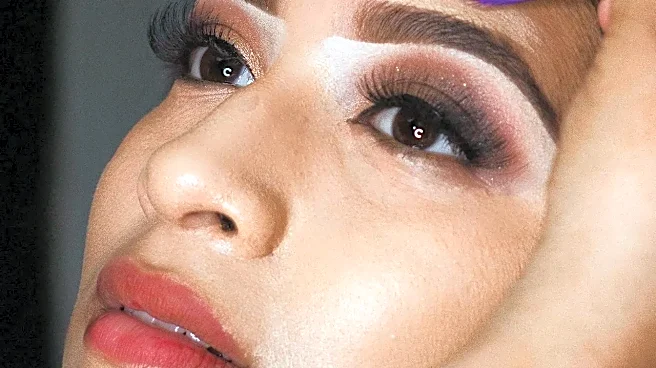
The biggest reason many artists have grown wary of translucent powder is the dreaded 'flashback.' You’ve seen it on red carpets: a celebrity poses for a photo and suddenly has ghostly white patches under their eyes or on their forehead. This happens when certain light-reflecting ingredients in powders, most notably silica, bounce back the bright, direct light of a camera flash. While these ingredients are fantastic for diffusing light in person and creating a blurring effect, they can be a disaster in flash photography. This single issue has led many professionals to seek out alternatives or use powder with extreme caution, especially for events where photos are a given. The risk of ruining a perfect makeup application with one camera flash is often too high.
It's All About Skin Type
Much of the disagreement boils down to a simple, fundamental truth: not all skin is the same. For those with oily skin, translucent powder can be a game-changer, absorbing sebum and keeping makeup from melting away. However, for individuals with dry or mature skin, the same product can be a nightmare. Powder can cling to dry patches, settle into fine lines and wrinkles, and make the skin appear 'cakey' or overly textured. This is why you'll see some artists enthusiastically 'bake'—applying a heavy layer of powder to set makeup—while others working with drier skin types will use the absolute lightest dusting or skip it entirely in favor of a hydrating setting spray. The disagreement isn't about the product itself, but its suitability for a specific skin canvas.
Application Technique Changes Everything
The debate is often less about if you should use powder and more about how you should use it. The difference between a light dusting with a fluffy brush versus pressing it in with a powder puff or a damp sponge is dramatic. A sheer application can set makeup beautifully without looking heavy, while the 'baking' technique provides an intensely matte, long-wearing finish that's great for oily skin or stage makeup but can be too much for daily wear. Some artists even apply powder before foundation, a technique popularized by makeup artist Wayne Goss, to create a barrier that controls oil from underneath. This shows that the artists who get the best results are those who tailor their technique to the client's skin and the desired outcome, rather than sticking to a single rigid rule.
The Rise of Modern Formulas and Alternatives
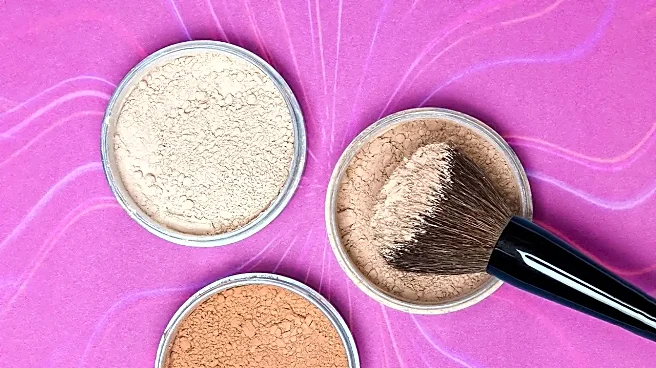
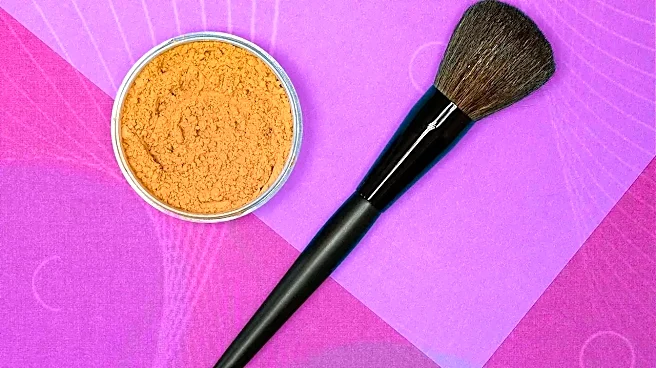
The makeup industry has evolved, and so has the powder. Early translucent powders could be heavy and chalky. Today, many are incredibly finely milled, designed to melt into the skin for a more natural finish. Additionally, there are now 'anti-flashback' powders specifically formulated for photography and HD video that diffuse light without causing a white cast. The market has also expanded beyond just translucent options. Tinted setting powders can offer a bit of extra coverage and are less likely to cause flashback than their purely white counterparts. Furthermore, the rise of high-performance setting sprays has given artists a powerful, powder-free alternative for locking in makeup, especially for clients who want a dewier, more skin-like finish. This explosion of choice means artists are no longer reliant on a single product type, allowing for more customized and nuanced approaches.