
The Sticky Problem with Real Sweets
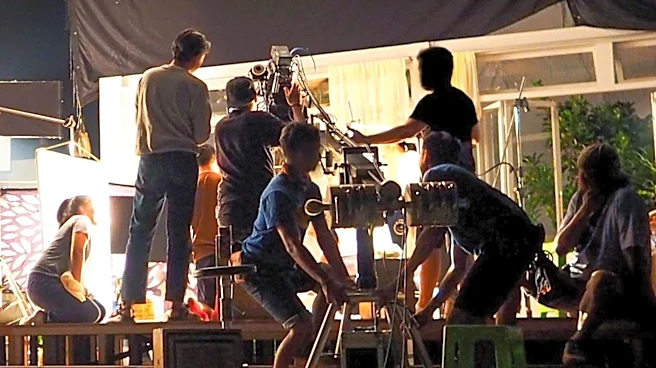
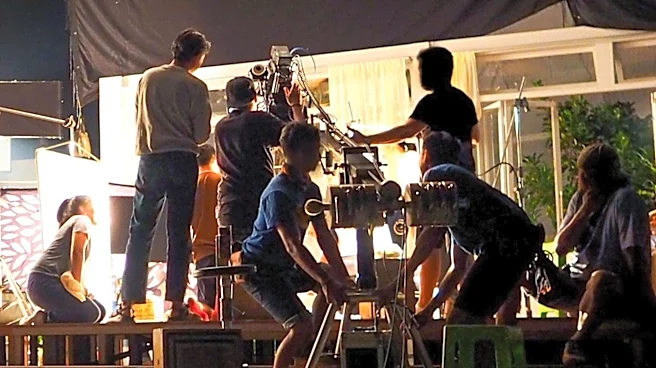
On a movie set, time is money, and real food is the enemy of both. A chocolate bar left under hot production lights will quickly turn into a gooey mess. A bowl of hard candies might look great in the first take, but if an actor moves one, the prop master
has to reset it perfectly for the next shot. This creates a massive continuity challenge; if a background actor eats a piece of jelly from a jar in one take, they have to eat that same jelly in every subsequent take, requiring constant refills and resets by the prop department. Beyond melting and continuity, there are other practical concerns. Real food can attract insects, spoil over the course of a long shoot day, and present a risk for actors with allergies or dietary restrictions like celiac disease. Simply put, using actual candy for every scene is an expensive, logistical headache that most productions would rather avoid.
A Confection of Resin and Rubber
When candy just needs to look good in the background, prop makers turn to a different kind of recipe book. The ingredients aren't sugar and corn syrup, but rather materials from the hardware store. For hard candies, lollipops, or anything with a glossy finish, artists often use rubber or pourable resin. They create a mold from the real version of the food to capture its exact shape and texture. The resin is then poured into the mold, sometimes with color already mixed in, to create a perfect, indestructible replica that can be dropped, handled, and used for days on end. For softer-looking sweets, like gummy bears or even fake raw chicken, silicone is a popular choice because it has a fleshy, slightly translucent quality similar to the real thing. Some artists even use bathroom caulk, which can be piped like frosting, to create fake cakes and pastries. The goal is to make something that will last the entire run of the show without changing.
The Edible Stunt Double
Of course, sometimes an actor actually has to eat the prop. This is where food stylists and specialty prop makers shine, creating edible versions of everything from candy to things that are decidedly not food. For scenes that require an actor to eat something horrifying, like cockroaches, they might use creatively shaped dates with chili threads for antennae. Maggots can be made from wiggling gelatin poured into molds. When it comes to more normal candy, the task is often about accommodating the actor and the demands of filming. If a character has to eat a chocolate bar over and over, the prop department might create a special version that is sugar-free or tailored to the actor's specific dietary needs. Some prop masters even develop their own recipes, like using a gummy bear formula with extra gelatin to create edible guts that are sticky but safe to consume repeatedly. These edible props ensure the actor's safety and comfort while still achieving the desired visual effect on camera.
Selling the Sweet Illusion
Creating a convincing fake food prop goes beyond just replicating the item itself. The real artistry lies in the finishing touches that sell the illusion to the audience. A prop artist doesn't just make a plastic candy bar; they paint it with multiple layers of color to achieve a realistic look, add a glossy finish to make it appear fresh, and might even distress the wrapper to make it look like it's been in a character's pocket. The process is so detailed that fake food artists often start with the real product to create a mold, ensuring every nook and cranny is captured. Prop masters for acclaimed shows like "The Bear" pride themselves on authenticity, choosing specific items that enrich a character's backstory and making sure every prop feels real to the world of the story. Even something as simple as a bowl of candy corn or a display of milkshakes in a diner scene involves this level of detailed thought, often with different versions made to show various stages of being eaten.