






First, Assess the Quality of the Leather
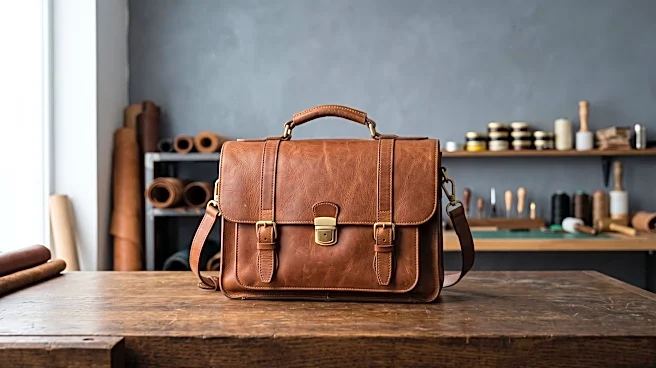
Before you even think about repair costs, you need to know what you're working with. The most crucial factor is the quality of the leather itself. High-quality leather, like full-grain or top-grain, is absolutely worth saving. This type of leather is durable,
develops a beautiful patina over time, and is built to last for decades if cared for properly. You can identify it by its natural, earthy smell and the subtle imperfections in the grain. On the other hand, if your bag is made of "genuine leather" or "bonded leather," think twice. These are lower-quality materials made from leather scraps and are prone to cracking, peeling, and falling apart within a few years, making a costly repair a poor investment.
Evaluate the Type and Severity of Damage
Not all damage is created equal. Many common issues are surprisingly easy and affordable for a professional to fix. Surface-level problems like minor scuffs, loose stitching, a broken zipper pull, or a malfunctioning snap are usually straightforward repairs. Even a faded bag can often be re-dyed or conditioned back to life. However, more extensive structural problems are a red flag. If the leather itself has deep cracks, is stiff and dry, or has been compromised by severe water damage or mold, it may be beyond saving. Similarly, if the bag has lost its fundamental shape or if a major structural seam has completely torn away, a repair might not hold long-term.
Do the Financial Math: Repair vs. Replacement Cost
Get a quote from a reputable cobbler or leather repair specialist. Minor repairs like re-stitching a seam or replacing a piece of hardware might cost between $30 and $150. More intensive work, such as replacing a zipper, fixing a handle, or replacing the entire lining, can range from $100 to over $300. A good rule of thumb is the 50% rule: if the repair cost is less than half the price of buying a comparable new bag, it's generally a smart financial move. If the repair estimate approaches or exceeds the value of the bag, it’s often more practical to invest in a replacement, unless the bag has significant sentimental value.
Factor in the Sentimental Value
Sometimes, the decision has nothing to do with logic or finances. A leather bag can be more than an accessory; it can be a vessel for memories. Perhaps it was a graduation gift, a souvenir from a special trip, or a piece you inherited. This emotional attachment is a valid and important part of the equation. If a bag holds a unique story or has become a part of your personal identity, repairing it is often worthwhile even if the cost seems high. Restoring a beloved item preserves its legacy, something a brand-new purchase can't replicate. For classic or designer bags, repair almost always makes sense, as these pieces are investments that can hold their value over time.
Consider the Bag’s Overall Construction
Beyond the leather, look at the bag’s other components. Are the hardware pieces—zippers, clasps, and buckles—made of solid metal, or are they cheap, lightweight-plated material? High-quality hardware feels substantial and operates smoothly. Check the stitching; are the seams even, tight, and reinforced at stress points like the handles? Is the interior lining made of a durable fabric, or is it flimsy and already tearing? If the bag was well-crafted from the start with strong stitching and solid hardware, it’s a much better candidate for repair. A professional can fix a broken component, but they can't fix fundamentally poor construction.