




The Grand Illusion
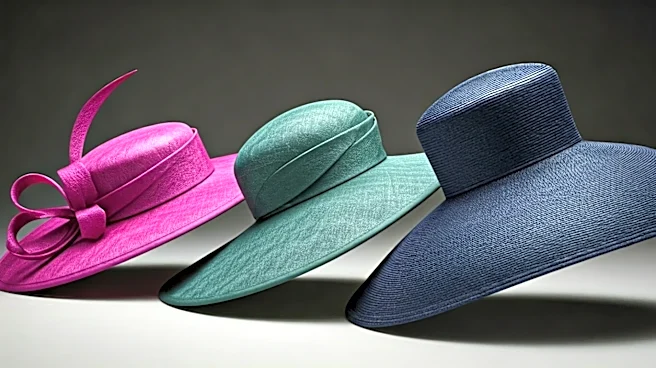
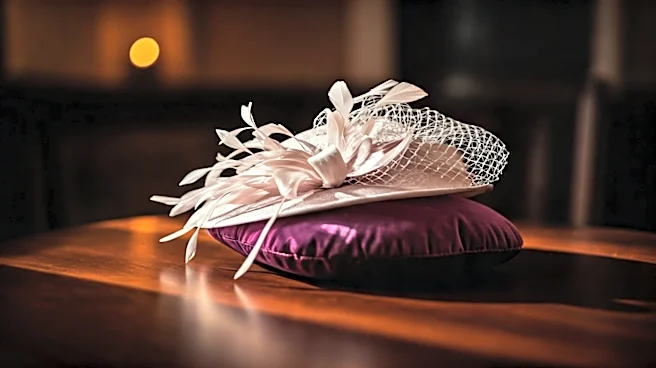
Picture the scene: You’ve spent months planning the perfect outfit. The hat is a sculptural masterpiece, the dress is a vision, and the shoes are breathtakingly elegant. In your mind, you’re gracefully gliding from the Royal Enclosure to the parade ring,
a modern-day Eliza Doolittle who absolutely nailed the brief. The official Royal Ascot Style Guide, after all, devotes significant attention to appropriate dress, from strap widths to hem lengths. It's a formal affair steeped in tradition, and looking the part is the first and most important rule of the day. This polished image is what sells the event. It’s what fills the pages of fashion magazines and fuels the dreams of attendees worldwide. And for the most part, the dream is real. The horses are magnificent, the people-watching is unparalleled, and the atmosphere is electric. But this picture-perfect fantasy omits a crucial, and often agonizing, detail: the journey.
The Long Walk to Glamour
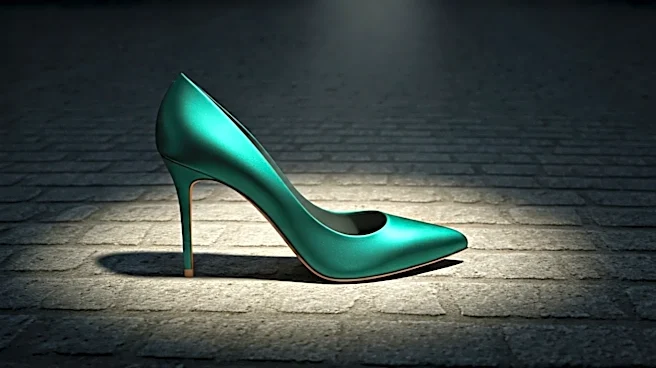
Here is the mistake the headline hints at: you dressed for the destination, not the journey. The biggest shoe blunder isn't choosing a stiletto that will sink into the turf—it's choosing a shoe that can't survive the mile-long trek before you even see a blade of grass.
Whether you arrive by train or by car, you will walk. A lot. The walk from the Ascot train station to the entrance is a solid 15 minutes. If you’re in one of the sprawling car parks, you could be looking at a 20-minute-plus hike over uneven pavement, gravel paths, and crowded tarmac. You'll stand in long entrance queues on hard, unforgiving surfaces. Those delicate, brand-new, sky-high heels that looked so perfect in your bedroom are a recipe for disaster before the first race has even begun.
By the time you finally step onto the pristine lawns of the racecourse, your feet aren't just sore; they're blistered, battered, and screaming for mercy. You’ve sabotaged your entire day before it even started.
The Commuter-Shoe Secret
So, what’s the secret weapon of seasoned Ascot veterans? It’s a strategy familiar to any city-dweller who navigates a daily commute: the two-shoe system. True Ascot pros embrace the art of the tactical switch.
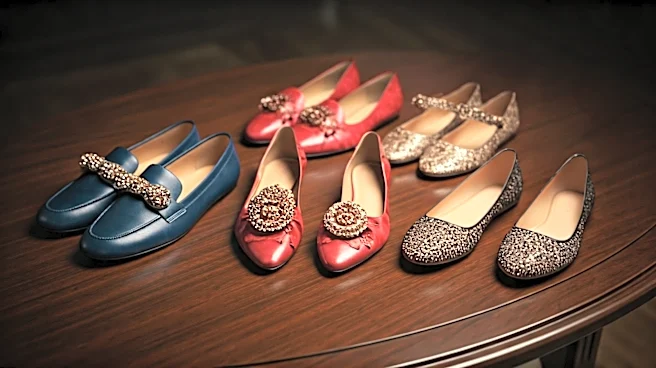
They make the long journey in a pair of stylish-but-sensible flats, foldable ballet pumps, or even chic low wedges. These “commuter shoes” are tucked into a larger tote bag (many enclosures allow them) along with other essentials. Upon reaching the relative comfort of the racecourse grounds—often near the cloakroom or a discreet bench—the switch is made. The practical flats are swapped for the glorious, gravity-defying heels intended for the main event.
This isn’t cheating; it’s strategy. It’s the sartorial equivalent of knowing when to hold 'em and when to fold 'em. Your 'arrival' isn't when your car door opens, but when you make your grand entrance into your enclosure, fresh-footed and ready to stand for hours without wincing.
If You Must Wear One Pair...
If the idea of carrying a second pair of shoes feels like too much fuss, you can still survive with a single, well-chosen pair. The key is to abandon the needle-thin stiletto in favor of more intelligent architecture. A block heel is your best friend. It offers the height and elegance you desire but distributes your weight over a much larger surface area, making it exponentially more comfortable for standing and walking on hard ground. Look for heels that are at least an inch wide at the base.
Wedges are another excellent choice, providing even more stability and support. They are explicitly permitted by the Royal Ascot dress code and are a classic choice for lawn events for good reason. They prevent the dreaded sinking-in-the-grass phenomenon while also being far more forgiving on pavement than a traditional heel. The goal is to find a shoe that balances the formal aesthetic required by the dress code with the practical realities of the day.