



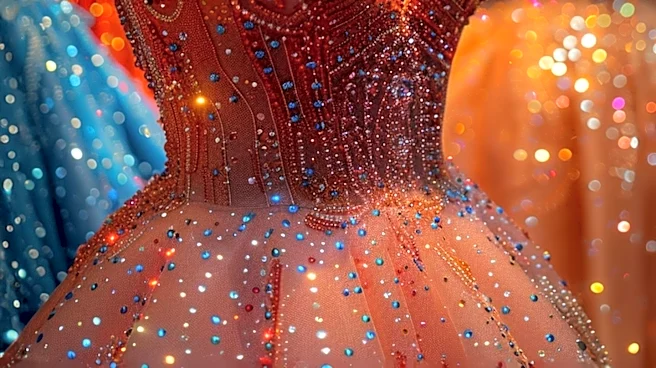

The Unseen Architect of Style
In the glittering world of haute couture, the designer gets the headlines, and the celebrity gets the flashbulbs. But between the initial sketch and the final fitting stands the pattern cutter, a technical artist who translates a two-dimensional drawing
into a three-dimensional garment. Think of them as the architects of fashion. While the designer imagines a skyscraper, the pattern cutter drafts the blueprints, ensuring every angle is sound, every load is supported, and the final structure is not only beautiful but functional. They take the designer's vision and figure out how to make it a reality, creating precise paper or digital templates for every single piece of fabric. It’s a role that requires an intimate understanding of the human body, fabric behavior, and the physics of construction.
The Physics of Flawless Fabric
So, what does it mean for a gown to “move cleanly”? It means the fabric works with the body, not against it. This is where the pattern cutter's expertise becomes a tangible advantage. One of their most powerful tools is cutting on the bias. Woven fabric has a grid of threads, but when cut at a 45-degree angle—the bias—it gains a natural elasticity and fluidity. This allows a fabric like silk or satin to drape and cling to the body’s curves, creating the liquid, flowing effect seen in many iconic red carpet gowns. But the technique is notoriously difficult; fabric cut on the bias can stretch and warp, and it takes immense skill to control. The pattern cutter must anticipate how the fabric will hang and move, placing seams and darts not just for fit, but for balance and grace. A well-placed seam can disappear, while a poorly placed one can cause bunching or twisting, ruining the silhouette.
A Venice Masterpiece in Motion
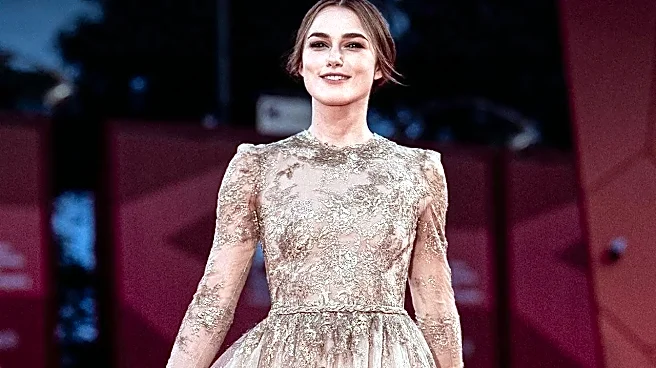
Imagine a gown at the Venice Film Festival, a cascade of emerald green silk charmeuse. As the actress walks, the fabric doesn’t just follow her; it ripples around her feet like water. When she turns for the cameras, the dress moves as a single, fluid entity. This is the pattern cutter’s advantage in action. They likely used a bias cut to achieve that liquid drape. They would have meticulously planned each panel, ensuring the grain of the fabric falls in a way that maximizes its lustre and flow. The seams are probably hidden or incorporated into the design so cleverly they become invisible. The gown feels like a second skin for the wearer, not because it's tight, but because it's been engineered to move in harmony with her body. This allows for a confident, unrestricted performance on the red carpet, free from any worry that the garment will pull or sit incorrectly.
More Than Just a Pretty Dress
Ultimately, the pattern cutter’s advantage is the elevation of clothing into art. Their work ensures a garment isn’t just a static object of beauty but a dynamic partner to the person wearing it. It’s the difference between a dress that is simply worn and a dress that comes alive. This meticulous, behind-the-scenes craft is responsible for the comfort that gives a star her confidence, the flawless fit that withstands hundreds of flashbulbs, and the kinetic beauty that creates a truly unforgettable fashion moment. It’s the hidden foundation of luxury, quality, and style.