




The Anchor Tenant: An Animated Juggernaut
Every risk portfolio needs a blue-chip stock, and for July 2026, that slot is occupied by an animated behemoth. A film like Minions & Monsters represents the ‘too big to fail’ line item on the spreadsheet. It’s a sequel or spinoff from a globally beloved
franchise with a simple, potent formula: recognizable characters, all-ages humor, and a merchandising goldmine. The risk here isn’t that it will fail, but that it won’t be big enough. In an era where production and marketing budgets for tentpoles can soar past $400 million, merely breaking even is a disaster. This film needs to gross close to a billion dollars worldwide to be considered a true success, justifying its position as the month’s anchor and ensuring exhibitor confidence.
The Legacy Bet: A Live-Action Reboot
Next on the ledger is the nostalgia play, represented this year by Disney's live-action Moana. This is a calculated gamble on an existing, but not ancient, intellectual property (IP). The strategy is twofold: capture the original fans who are now a decade older and introduce the story to a new generation of kids. The risk is a tightrope walk. Stray too far from the source material, and you alienate the loyalists. Stick too close, and critics and audiences will ask, “Why bother?” The spreadsheet calculation here weighs the built-in brand awareness against the very real threat of franchise fatigue and the high bar set by the animated classic.
The Auteur Swing: A High-Concept Original
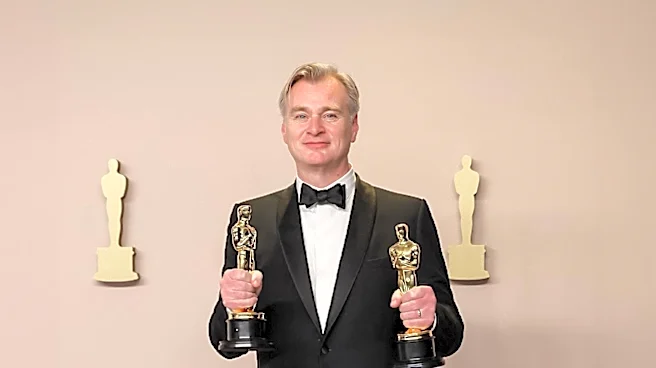
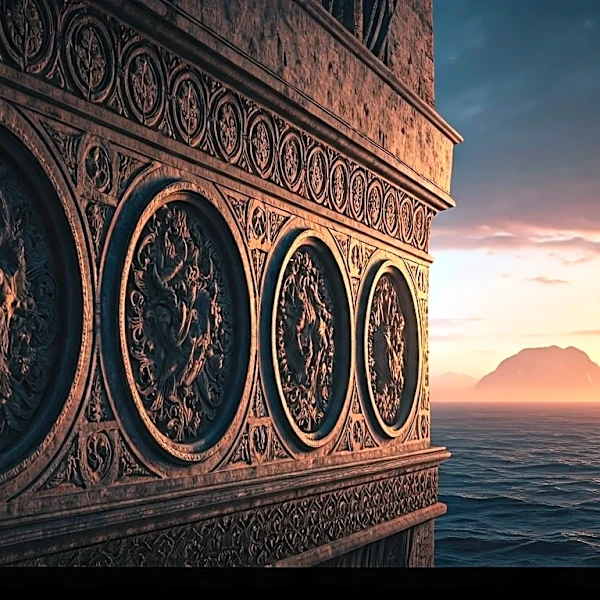
Perhaps the riskiest column on the entire spreadsheet is the big-budget original. This July, that bet comes in the form of The Odyssey. While based on an ancient text, in modern Hollywood terms, it’s an original film lacking franchise ties. Its success hinges almost entirely on the vision of a superstar director and the draw of its A-list cast. This is the kind of swing studios are increasingly hesitant to take. The financial model is brutal: without a preceding film or comic book to build hype, marketing costs are astronomical. It has to create a cultural moment from scratch. For the studio, this is a high-variance play—it could become a culture-defining classic or a legendary write-down. The industry is watching to see if original, star-driven epics can still compete.
The Franchise Extension: Another Web-Slinger
At the end of the month comes the safest, and yet most creatively fraught, bet: the next chapter in a dominant superhero saga. Spider-Man: Brand New Day is both a guaranteed hit and a symbol of Hollywood's central dilemma. The franchise is a reliable cash cow, but the pressure to escalate stakes and spectacle with each installment is immense. The risk isn’t financial in the short term—it will make money. The risk is brand erosion. After years of interconnected universes and multiversal stakes, audiences are showing signs of exhaustion. The spreadsheet asks: how many times can you go to the same well before it runs dry? This film's performance will be a key indicator of the long-term health of the entire superhero genre.
The Counter-Programming Hopeful: Genre Bloodbath
While the titans clash, smaller, scrappier films fight for the scraps. A horror entry like Evil Dead Burn is the classic counter-programming play. Made for a fraction of a blockbuster’s budget, it doesn’t need to win the weekend to be wildly profitable. Its goal is to appeal to an underserved demographic—in this case, adults seeking something other than family-friendly spectacle. The risk is getting lost in the noise. With blockbusters sucking up all the marketing oxygen and premium screens, a mid-budget genre film can disappear without a trace. Its success relies on sharp marketing, strong word-of-mouth, and the hope that audiences are looking for a different kind of thrill.