


The Setlist as a Story Arc
A rookie mistake at a festival is treating your set like a playlist. Veteran performers know it's a three-act play. You start with a bang to grab the attention of passersby, then create an intimate, memorable middle, and close with an absolute anthem
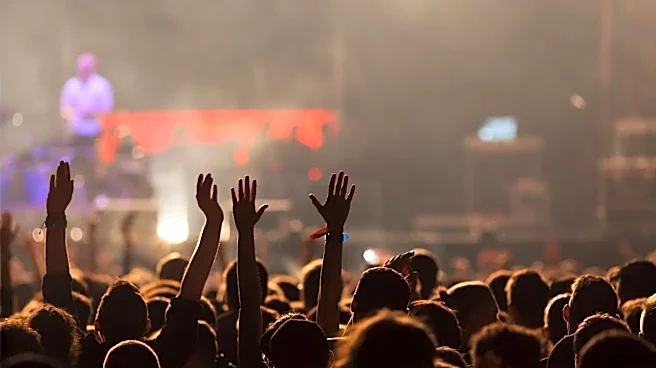
that leaves the crowd buzzing. Country superstar Luke Combs demonstrated this at ACL in 2025, providing a master class in showmanship by keeping a steady flow of his 19 No. 1 hits coming. Newer acts like Role Model have also shown a command of this pacing, balancing energetic bangers with slower, heartfelt ballads to take the audience on a journey. This isn't just about playing the hits; it’s about controlling the emotional temperature of a massive, open field, a trick that separates a good set from a legendary one.
Making the Crowd Feel Small
Yelling “What’s up, Austin?!” is entry-level. The real art is making a connection that feels personal, even from a hundred yards away. Veterans have this down to a science. It could be Miley Cyrus’s bursting charisma and direct crowd interaction during her 2021 set, where she made a 21-song performance feel like a conversation. Or it could be The Strokes' Julian Casablancas giving a shout-out to weekend two attendees with a special song request from the previous week's crowd, creating a unique, shared moment. Newer artists are clearly taking notes. Rising rapper Doechii, for instance, has been praised for a confident and alluring stage presence that wows the audience, making them feel part of the show, not just spectators. It’s about creating an 'in-group' feeling, even if that group numbers in the tens of thousands.
More Than Just Music: The Visual Spectacle
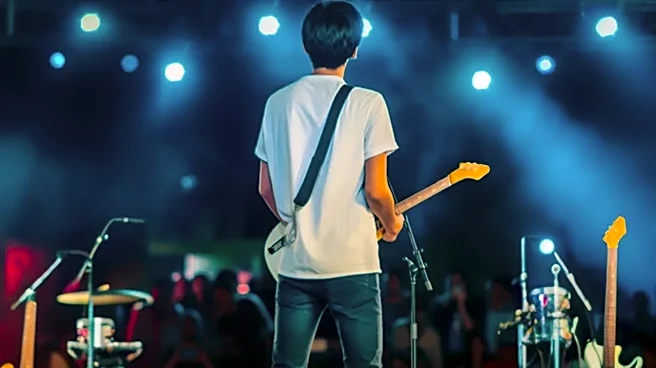
In the age of Instagram, a festival performance has to be as visually memorable as it is sonically. Long-running acts understand this better than anyone. Think of Empire of the Sun's 2025 performance, where the duo and their dancers appeared in otherworldly costumes, complete with golden headdresses and galactic projections. It created a self-contained universe on stage. Or consider T-Pain, a veteran who enjoyed a resurgence by fully embracing showmanship with an elaborate Western-themed stage set, including a saloon and two prop horses. This kind of theatricality isn't just for headliners. An artist with a strong visual identity—whether through choreographed dancing, a unique outfit, or well-designed lighting—can carve out a memorable space in a very crowded field. It ensures that even those watching from the back have something compelling to look at.
Unlocking the 'Onstage Persona'
There's the artist, and then there's the performer. Veterans know how to create an elevated version of themselves for the stage—a persona that can command a massive space. David Bowie had Ziggy Stardust and Beyoncé has Sasha Fierce; these aren't just characters, but tools for channeling immense confidence. You can see this in the raw, energetic stage presence of Paramore's Hayley Williams, who famously headbangs and dances across the entire stage. Or the way Dave Grohl of the Foo Fighters uses every facial expression to sell the emotion of a song he's performed thousands of times. Newer artists are learning that this isn’t about being fake; it’s about amplifying your authenticity. By studying how veterans own the stage, they learn to project their own personality to the furthest reaches of the park, ensuring their performance connects and lingers long after the final chord.