


The Experience is the Product
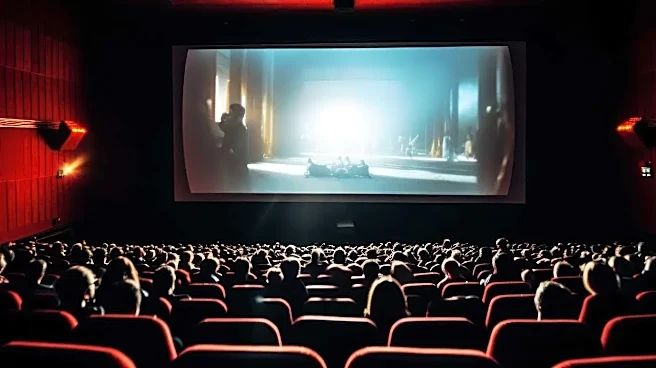
The first lesson is that people aren't just paying for the film—they're paying for the event. In an age where nearly every movie is available on a streaming service, the primary competitor for a cinema is the convenience of the couch. Midnight screenings
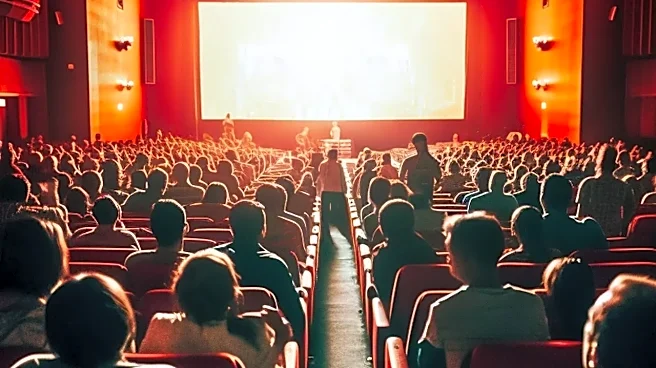
win because they offer something streaming can't: a palpable, electric, communal experience. The energy in a packed theater, where fans cheer for a final girl or gasp at a jump scare in unison, is impossible to replicate at home. These events transform passive viewing into active participation. Dressing up, shouting at the screen, and sharing the experience with a crowd of fellow devotees isn't a distraction from the movie; it's the entire point. Theaters that thrive in the future will be those that understand they are in the business of creating memorable events, not just projecting films.
Nostalgia is a Bankable Currency
Many of the most successful midnight features are decades-old classics. From 'The Rocky Horror Picture Show' to slasher staples of the '80s, these films tap into a powerful cultural force: nostalgia. Audiences come to these screenings with pre-existing affection and a built-in understanding of the movie's cultural importance. This isn't about discovering something new; it's about celebrating something beloved. For programmers, repertory cinema offers a treasure trove of titles with proven appeal and built-in audiences. It allows them to connect with specific demographics and create a sense of shared history. By programming films that audiences already have a deep emotional connection with, theaters can generate organic excitement and loyalty that marketing for a new, unknown film often struggles to achieve.
The Audience Becomes the Show
The most legendary midnight movie, 'The Rocky Horror Picture Show', became a phenomenon not just because of the film itself, but because of the elaborate fan rituals that grew around it. Audiences began talking back to the screen, bringing props, and dressing as characters, eventually forming performance groups that shadow-cast the film as it played. While not every film inspires this level of interaction, the core principle is transferable. Successful event screenings empower the audience to be part of the show. Whether it's a quote-along screening, a costume contest, or simply the shared ritual of cheering and gasping, giving the audience permission to interact makes them co-creators of the experience. This sense of ownership builds a powerful community and transforms a movie night into a cultural gathering.
Scarcity and Ritual Create Demand
Midnight showings are, by their nature, exclusive. They happen at a specific, inconvenient time, often for only one or two nights. This scarcity creates a sense of urgency and makes the screening feel like a special occasion—an 'appointment' you can't miss. In a world of on-demand everything, this limited availability is a powerful marketing tool. It combats the endless scroll of streaming menus and gives audiences a concrete reason to leave the house. By turning a screening into a recurring ritual—a weekly midnight movie, an annual Halloween marathon—theaters can build a loyal following that returns again and again. It establishes the cinema not just as a place to see movies, but as a cultural hub with its own traditions and community.